Region
Upper Egypt
The world's greatest open-air museum, built on the site of ancient Thebes. Luxor is home to the Valley of the Kings, Karnak Temple, and the most extraordinary concentration of pharaonic monuments anywhere on earth.
Plan My Luxor Trip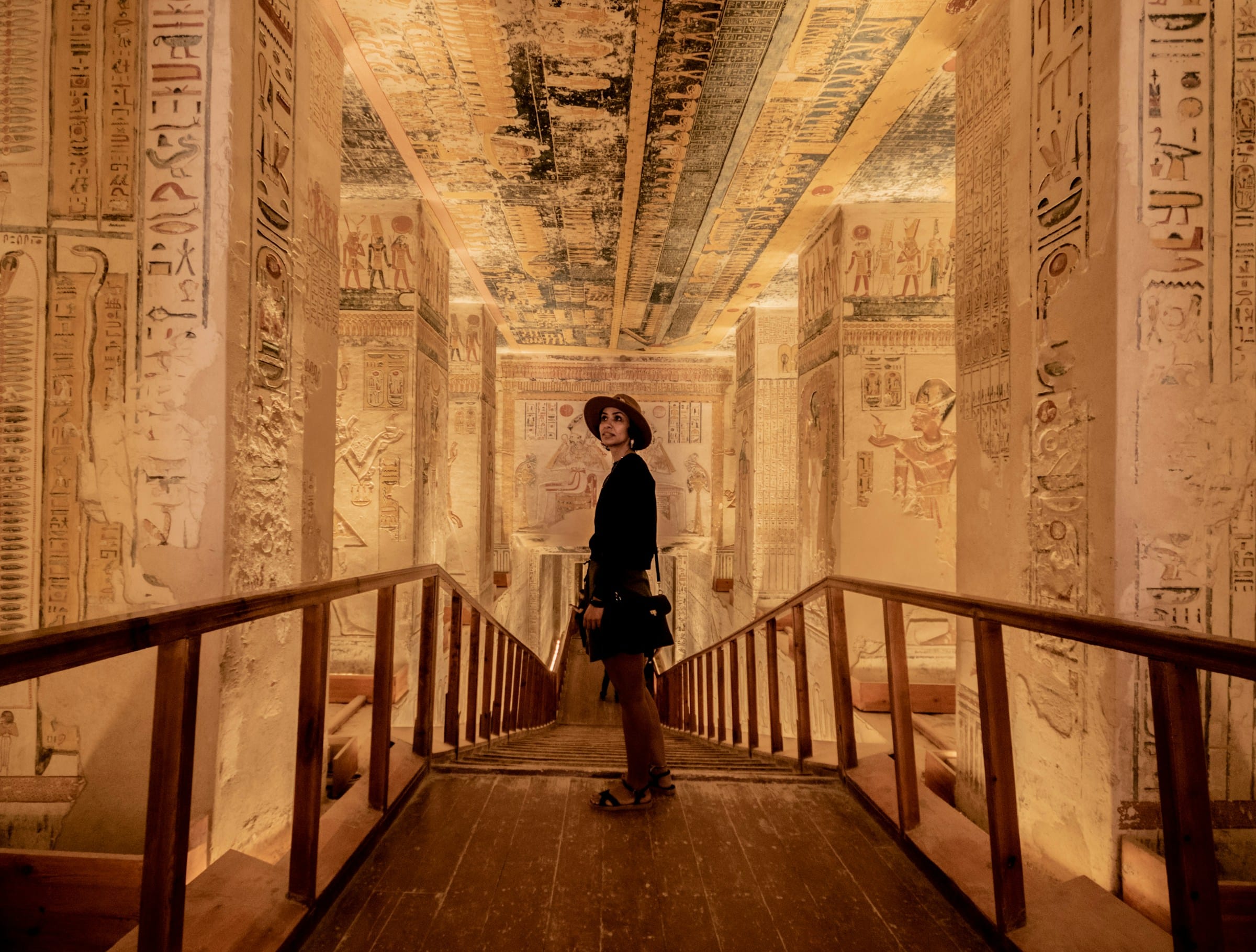
Upper Egypt
October – March
25°C / 77°F
1hr flight from Cairo or Nile cruise from Aswan
2–4 days
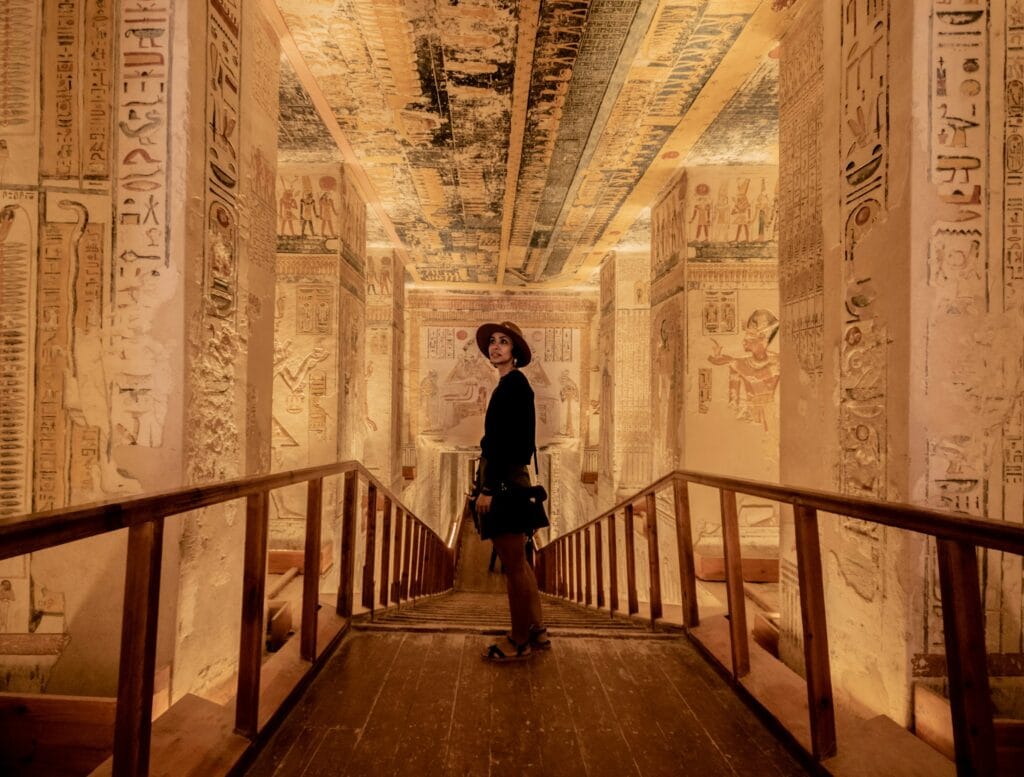
Luxor is, quite simply, the most important archaeological city on earth. Built on the site of ancient Thebes, the capital of Egypt during the height of the New Kingdom, Luxor contains a concentration of pharaonic monuments that no other place in the world can match.
The city is divided by the Nile into two distinct halves, each packed with wonders. The East Bank is home to the colossal Karnak Temple Complex, the largest ancient religious site ever built, and the elegant Luxor Temple, connected to Karnak by a recently restored 2.7-kilometer Avenue of Sphinxes. The West Bank, where the sun sets over the desert hills, holds the Valley of the Kings, the Temple of Hatshepsut at Deir el-Bahari, the Colossi of Memnon, and Medinet Habu.
Beyond the monuments, Luxor has a charm of its own. The pace is slower than Cairo, the Nile feels wider and calmer, and the local Luxori hospitality runs deep. Colorful feluccas drift past the Corniche at sunset. Horse-drawn carriages clip-clop along the riverbank. And the local souk, tucked between the temple walls and the modern town, sells everything from alabaster vases to hand-ground spices.
Most visitors experience Luxor as part of a Nile cruise or a multi-day Egypt itinerary, but the city easily fills three days of exploration on its own. For anyone with even a passing interest in ancient history, Luxor is the single most rewarding destination in Egypt.
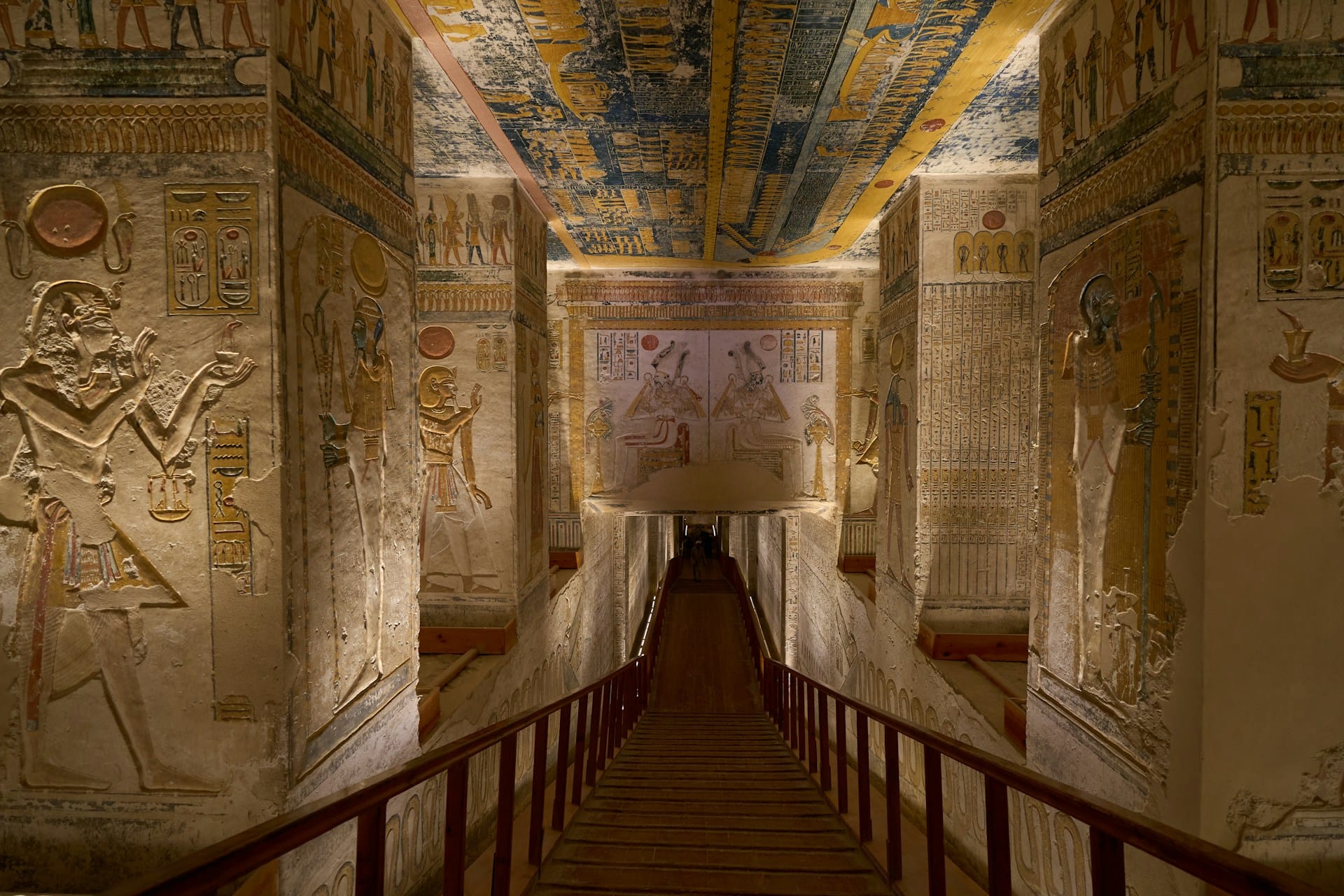
Discover the Valley of the Kings, Luxor's legendary royal necropolis hidden in the desert cliffs of the West Bank. Home to 63 tombs of Egypt's most powerful pharaohs including Tutankhamun, Ramesses II, and Seti I, this UNESCO World Heritage Site preserves 500 years of burial traditions with vivid wall paintings depicting the journey to the afterlife. Walk into the heart of the mountain where the New Kingdom rulers chose to rest for eternity.
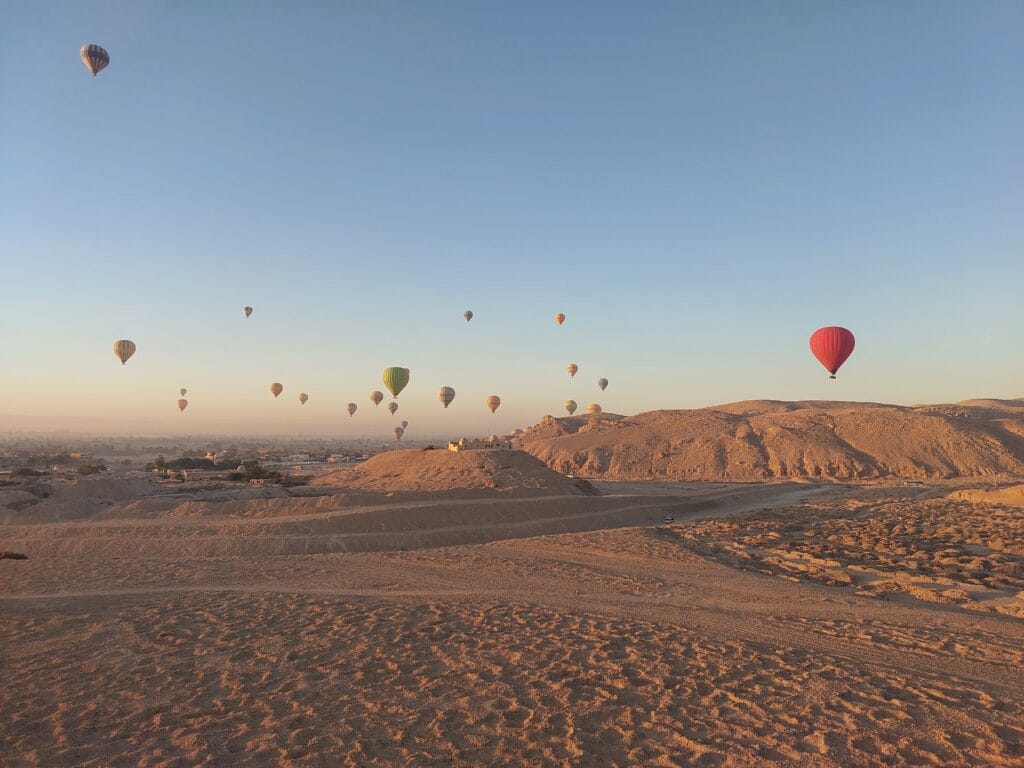
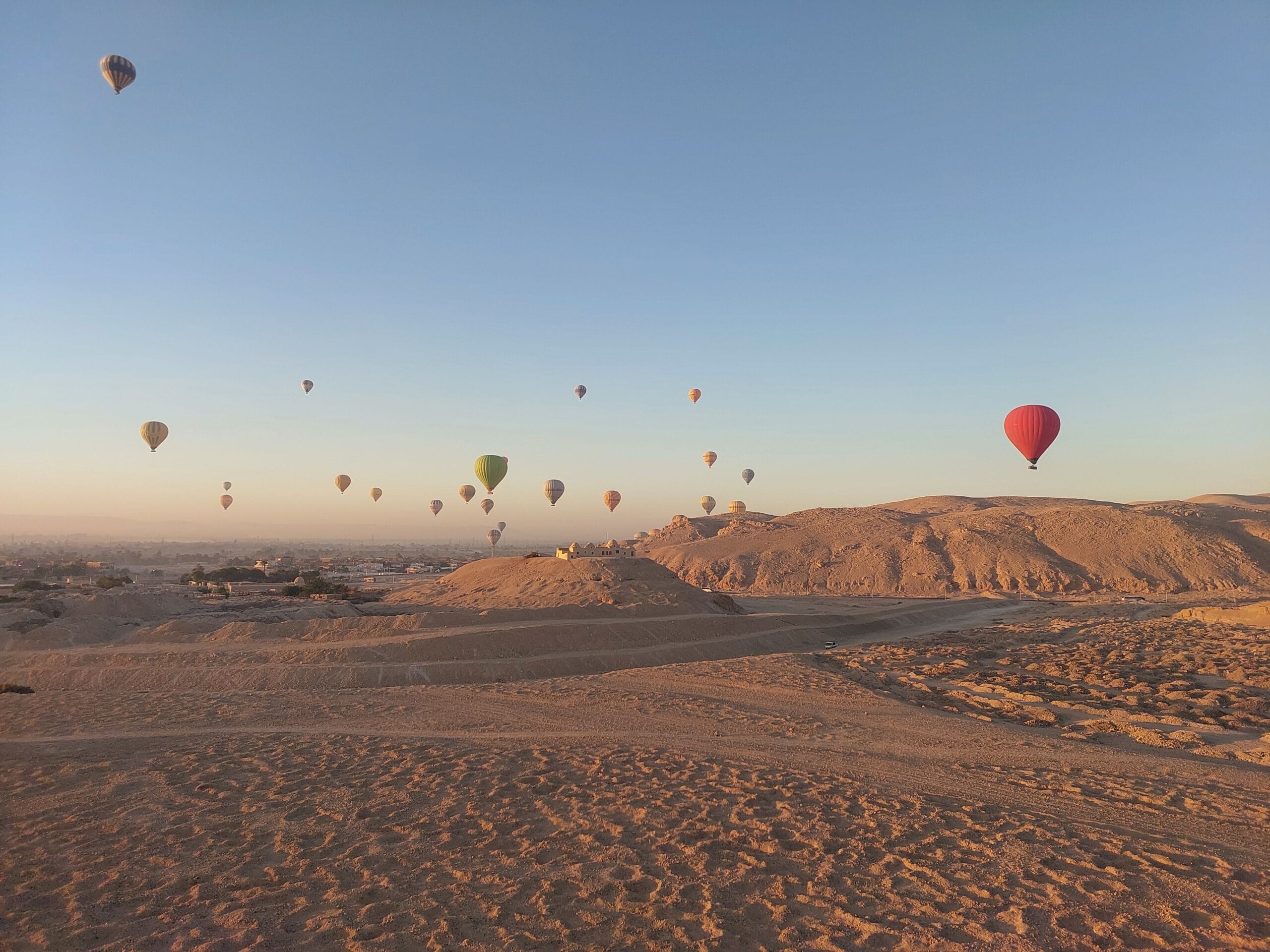
Float silently above the West Bank as the sun rises over the desert cliffs. Below you, the Valley of the Kings, the Temple of Hatshepsut, and the green farmland along the Nile unfold like a living map. Flights launch at sunrise and last about 45 minutes. One of the most unforgettable experiences in all of Egypt.
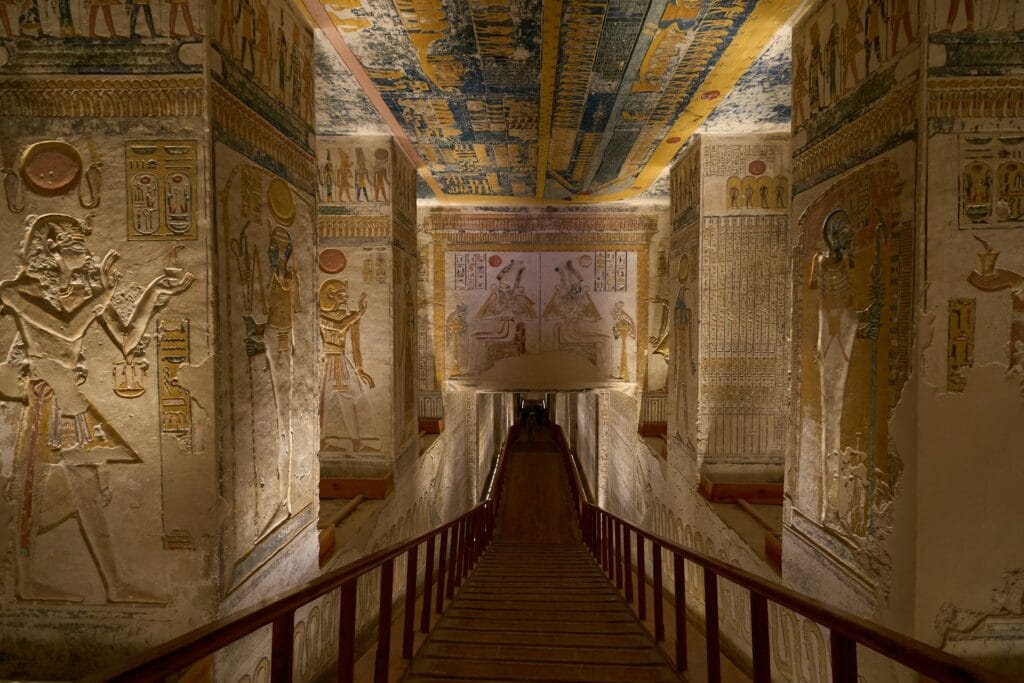
Descend into the elaborately painted tombs of Egypt's most powerful pharaohs, including Tutankhamun, Ramesses II, and Seti I. A standard ticket covers three tombs, with premium tickets available for the most spectacular ones. The colors on the 3,000-year-old walls are still vivid, protected by the dry desert air for millennia.
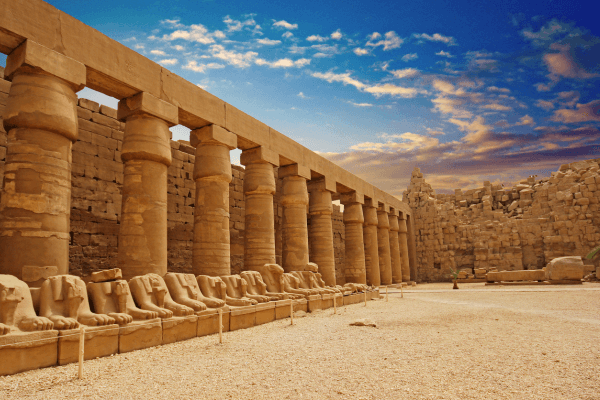
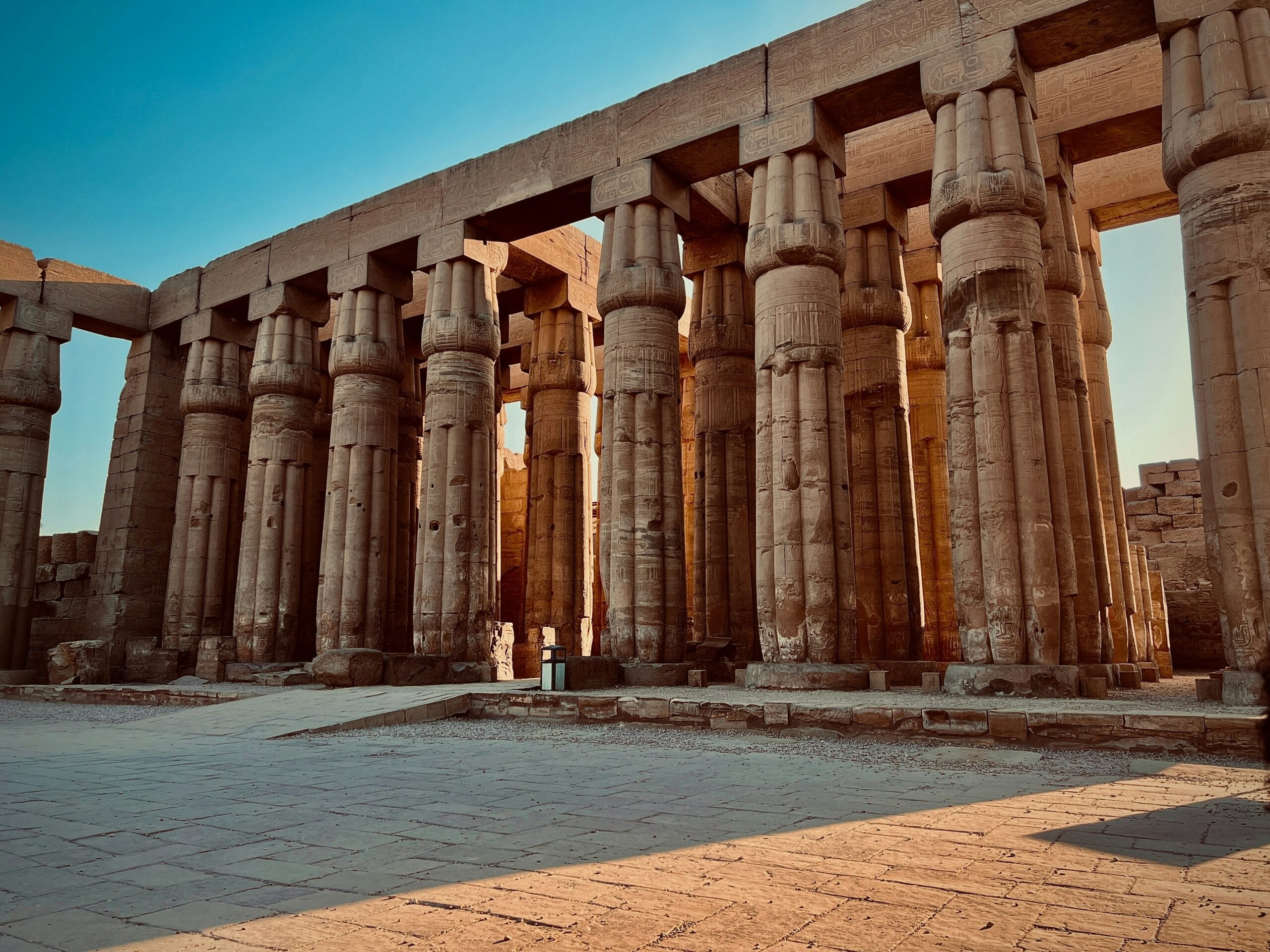
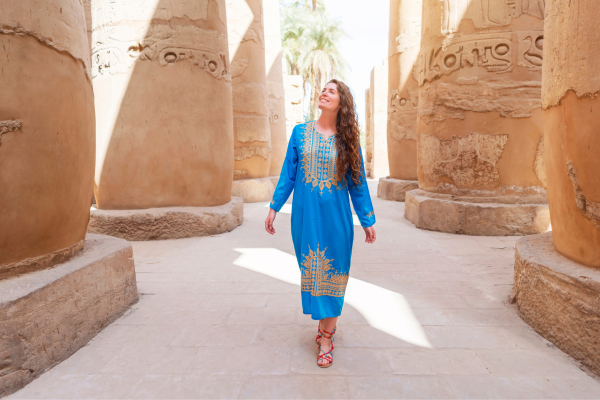
Stand among 134 massive sandstone columns arranged in 16 rows, some reaching over 20 meters tall. The scale is impossible to capture in photos. Morning light streaming through the columns creates one of the most dramatic visual experiences at any ancient site in the world. Allow at least 2 hours for the full Karnak complex.
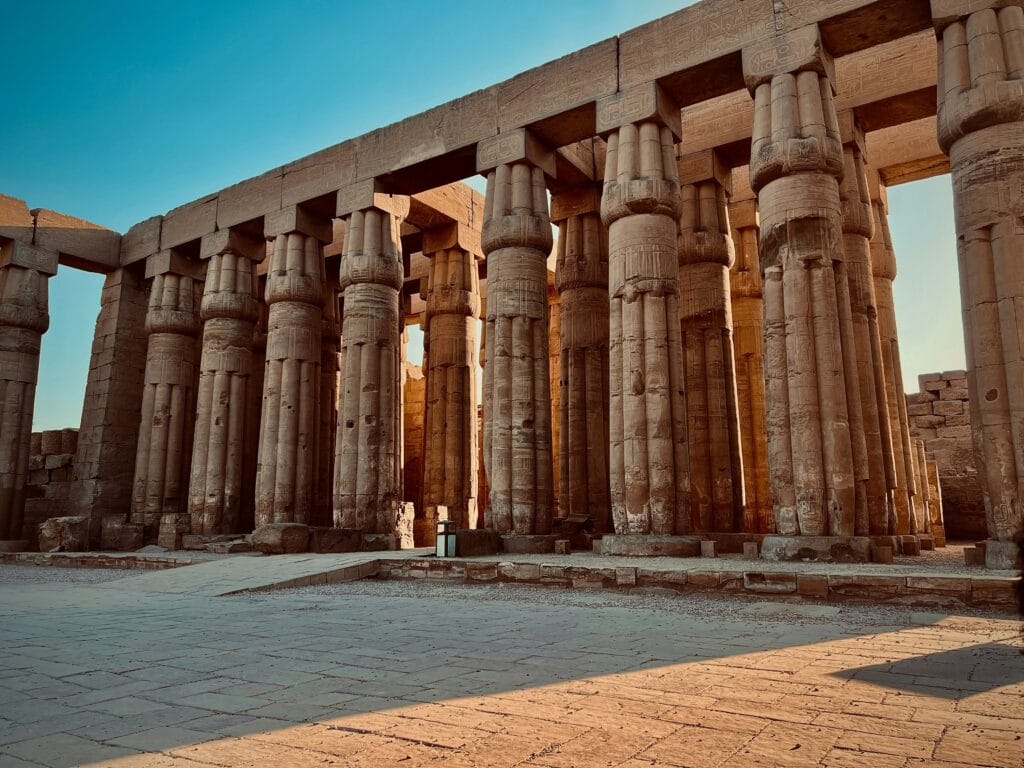
Luxor Temple is one of the few ancient monuments in Egypt that is open after dark. The columns, statues, and obelisk are dramatically lit against the night sky, giving the temple an entirely different atmosphere from a daytime visit. It sits right in the center of modern Luxor, making it an easy evening walk from most hotels.
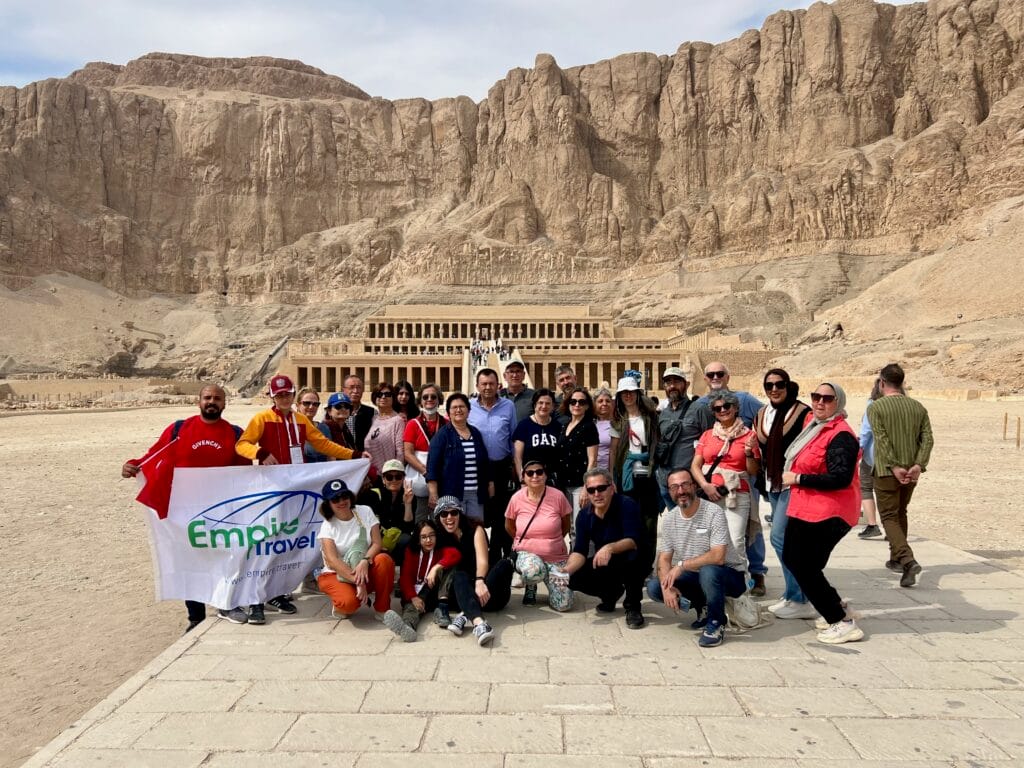
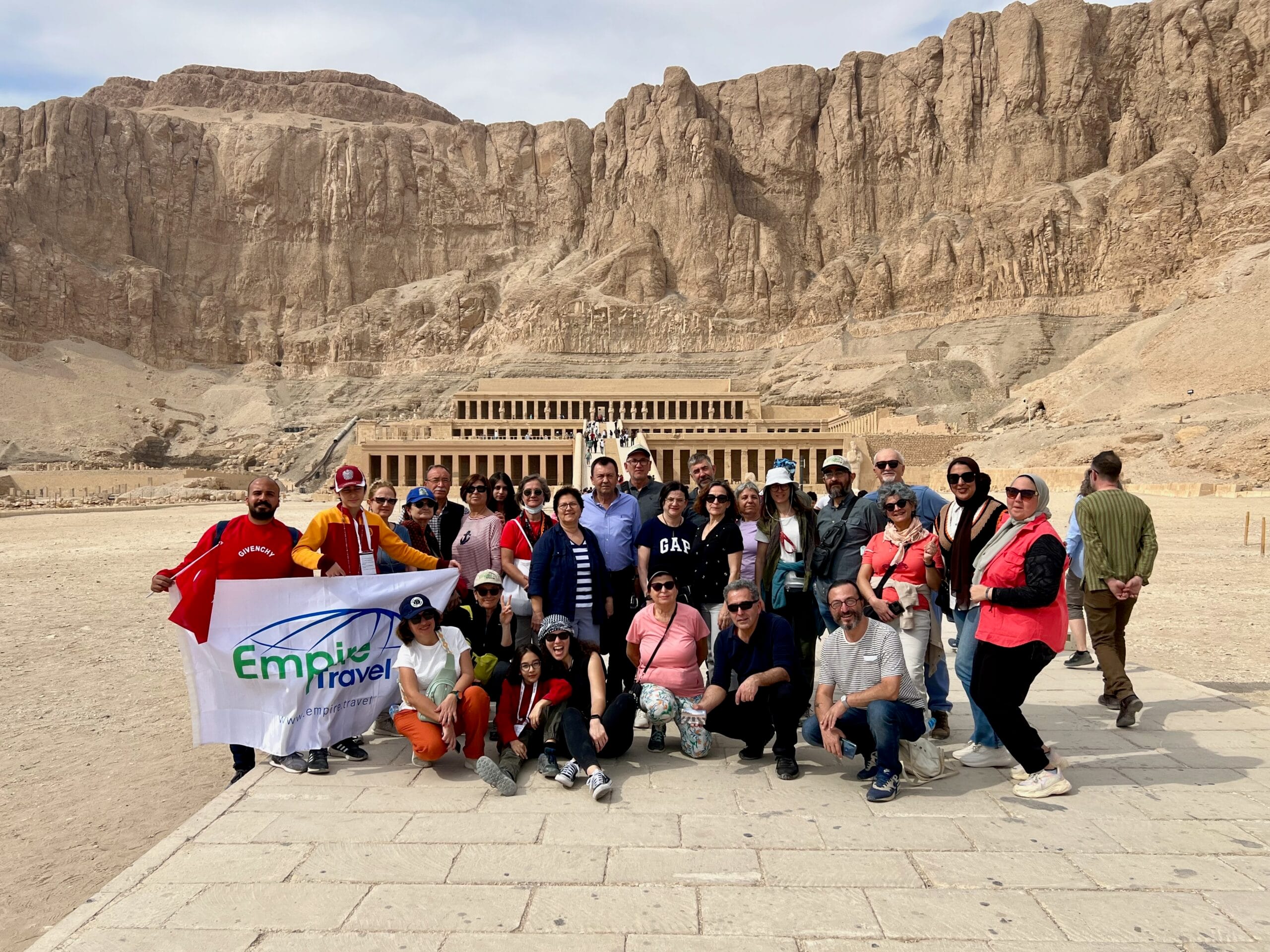
The mortuary temple of Queen Hatshepsut at Deir el-Bahari is one of the most architecturally striking monuments in Egypt. Three terraced colonnades rise against the sheer desert cliffs, creating a dramatic composition that feels surprisingly modern. Hatshepsut was one of the few female pharaohs, and her temple tells her story in detailed reliefs.
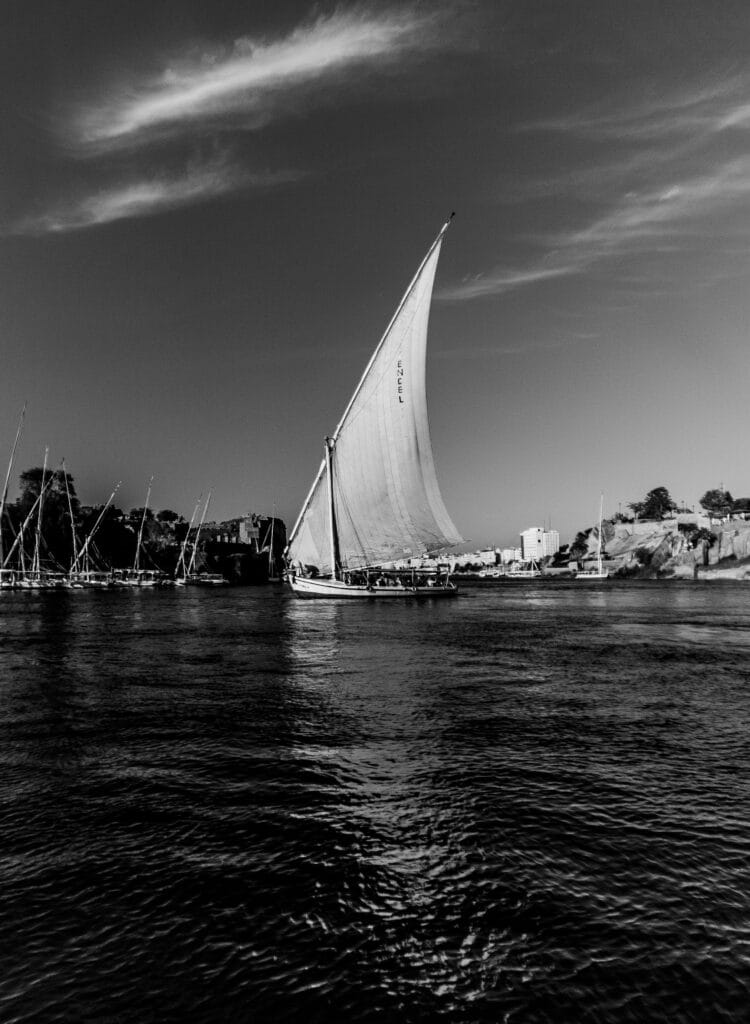
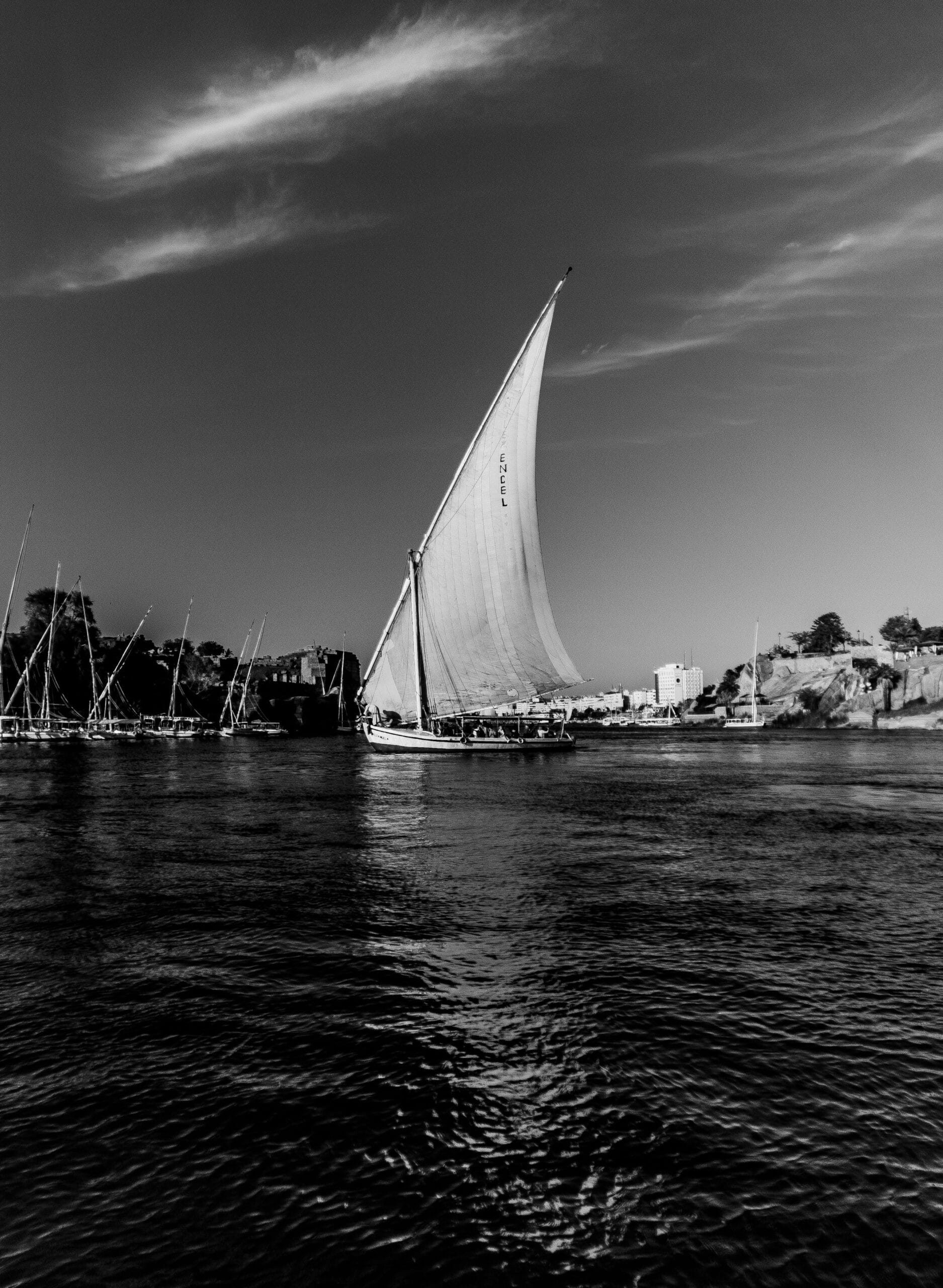
Board a traditional wooden felucca from the Luxor Corniche and drift south along the Nile as the sun sets behind the West Bank mountains. The only sounds are the wind in the sail and the water against the hull. Felucca rides in Luxor are quieter and more scenic than in Cairo, with the desert cliffs and green farmland framing the river.
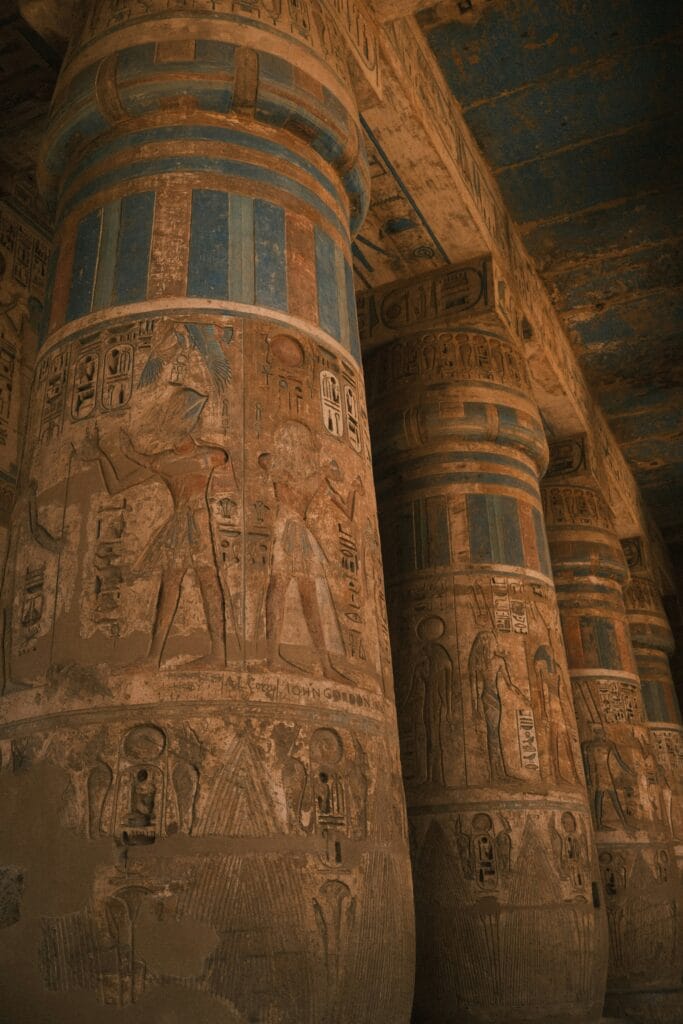
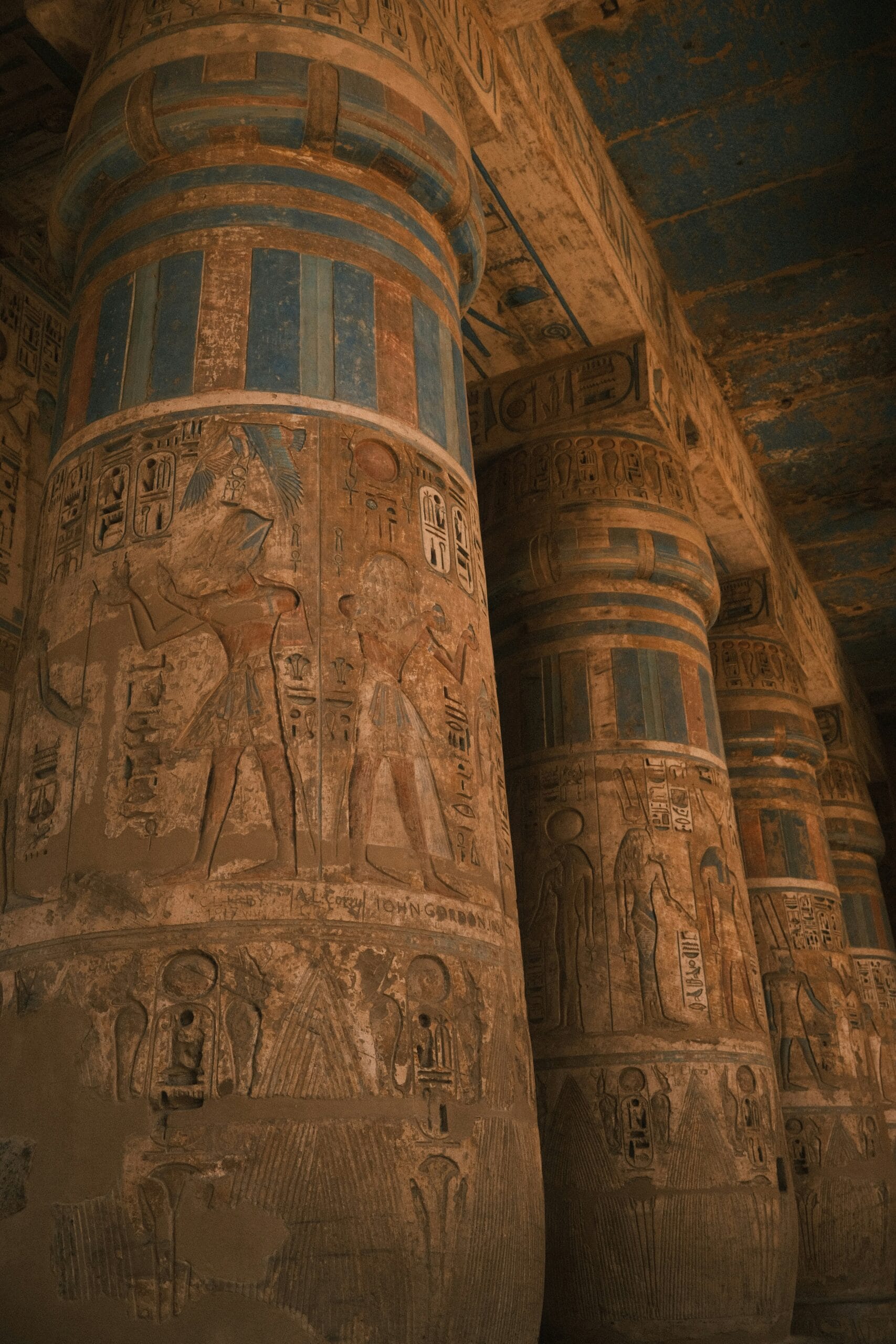
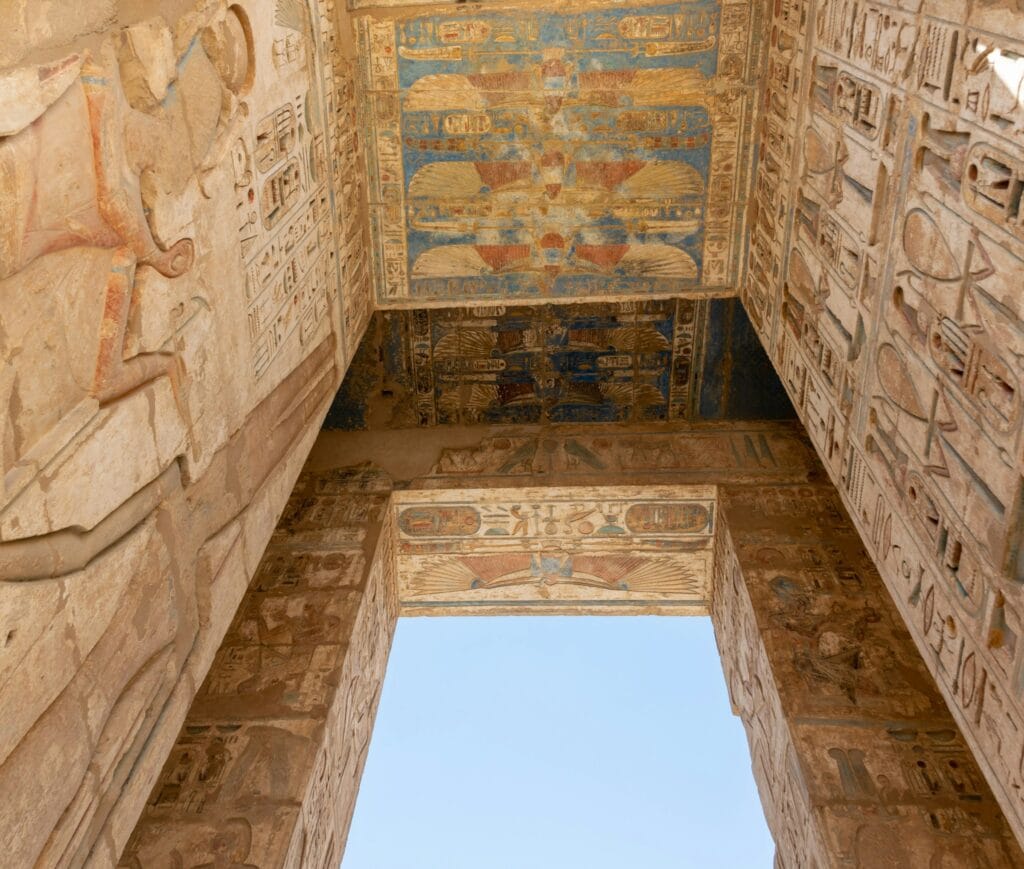
The mortuary temple of Ramesses III at Medinet Habu is one of the best-preserved temples in Egypt, yet most tourists skip it in favor of more famous sites. The walls are covered in deeply carved, colorful reliefs depicting military victories, religious processions, and daily life. Fewer crowds make this one of the most enjoyable temple visits on the West Bank.
October to March is ideal for Luxor. Summer temperatures regularly exceed 45°C and outdoor sightseeing becomes extremely challenging. Even in peak season, start West Bank visits before 9 AM to beat the heat.
October – February
★★★ Ideal
Comfortable temperatures between 20 and 28°C during the day, cool evenings. The best conditions for exploring outdoor archaeological sites all day. This is also the peak Nile cruise season, so book accommodation and cruises well in advance, especially around Christmas and New Year.
March – April
★★ Good
Temperatures climb to 30 to 35°C but mornings are still pleasant. Fewer tourists and lower prices. Occasional Khamsin winds can bring sand and reduced visibility for a day or two. Early morning visits to the West Bank are still very comfortable.
May – September
★ Hot
Daytime highs of 40 to 48°C make prolonged outdoor sightseeing genuinely difficult. The Valley of the Kings and Karnak have almost no shade. Only recommended for travelers who can start at 6 AM, finish by 10 AM, and spend afternoons indoors. Hotel rates are at their lowest.
Split your Luxor visits between the East Bank and the West Bank on separate days. The West Bank (Valley of the Kings, Hatshepsut, Memnon, Medinet Habu) is best visited first thing in the morning when the heat is manageable. The East Bank (Karnak, Luxor Temple) can be visited in the afternoon, with Luxor Temple best experienced at night.
The Valley of the Kings standard ticket covers entry to three tombs, but you choose which three once inside. Premium tombs like the Tomb of Seti I, the Tomb of Nefertari (in the Valley of the Queens), and Tutankhamun’s tomb require separate, higher-priced tickets purchased at the entrance. Photography is strictly prohibited inside all tombs.
The East Bank is walkable along the Corniche, with Luxor Temple and the souk within easy reach of most hotels. The West Bank requires transport, either a private car and driver (included in all Empire Travel tours), a taxi, or a bicycle. A local ferry crosses the Nile from the East Bank to the West Bank throughout the day for a few Egyptian pounds.
Luxor is one of the hottest cities in Egypt, with summer temperatures regularly exceeding 45 degrees. Even in peak season (November to February), midday sun is strong. Carry water at all times, wear a hat and sunscreen, and take breaks in shaded areas. Most West Bank sites have minimal shade.
Luxor’s history is complex, with monuments spanning over 2,000 years of pharaonic civilization. A licensed Egyptologist guide transforms a visit from looking at old stones to understanding the stories, symbolism, and significance behind every carving. All Empire Travel tours include private, licensed Egyptologist guides.
Luxor’s tourist bazaar runs along the streets between Luxor Temple and the train station. Prices are inflated for tourists, so bargain confidently. Alabaster goods, cotton clothing, papyrus art, and spices are the best buys. For the most authentic shopping, venture a few streets away from the main tourist drag.
We recommend 2 to 3 full days. Day one for the West Bank (Valley of the Kings, Hatshepsut Temple, Colossi of Memnon, optionally Medinet Habu). Day two for the East Bank (Karnak Temple during the day, Luxor Temple at night). A third day allows for a hot air balloon ride at dawn, the Luxor Museum, and a relaxed felucca sail. If arriving on a Nile cruise, you typically get 1 to 1.5 days, which covers the highlights.
It is possible via a 1-hour flight, but we strongly recommend at least 2 nights. A single day only allows time for either the East Bank or the West Bank, not both. The sites deserve unhurried exploration, and the evening atmosphere at Luxor Temple should not be missed.
Absolutely. It is one of the most popular experiences in Egypt for good reason. Floating silently above the West Bank as the sun rises over the desert and illuminates the temples below is genuinely unforgettable. Flights launch at sunrise, last about 45 minutes, and cost between $80 and $150 depending on the operator and season. We recommend booking through your tour operator to ensure a reputable company with proper safety standards.
The standard ticket covers any 3 of the open tombs. Ramesses IV (KV2) and Ramesses IX (KV6) are popular for their well-preserved paintings and spacious corridors. Merenptah (KV8) is impressive for its size. For an extra fee, the Tomb of Seti I is considered the most beautiful tomb in the valley, and Tutankhamun’s tomb is the most famous, though it is actually one of the smallest. Your Egyptologist guide will recommend the best combination based on which tombs are open during your visit.
Dress comfortably with shoulders and knees covered. Luxor’s temples are outdoor sites with sand and uneven stone surfaces, so closed-toe walking shoes are essential. A wide-brimmed hat and strong sunscreen are must-haves. Bring a light scarf if you plan to visit any mosques. Lightweight, breathable fabrics like cotton or linen work best in the heat.
If traveling with Empire Travel, your private driver handles all crossings via the Luxor Bridge south of the city. For independent travelers, a local ferry operates from the East Bank Corniche near Luxor Temple to the West Bank landing throughout the day. The crossing takes about 5 minutes and costs a few Egyptian pounds. From the West Bank ferry landing, you will need a taxi or bicycle to reach the archaeological sites.
Yes. Luxor is one of Egypt’s most visited tourist destinations with a strong security presence at all major archaeological sites. Tourism police are stationed at the Valley of the Kings, Karnak, and Luxor Temple. The city is smaller and more relaxed than Cairo, and most visitors feel very comfortable. As with any tourist destination, be cautious of unsolicited guides and agree on taxi prices before getting in.
The Karnak Sound and Light Show runs most evenings, with multiple sessions in different languages. The show takes you on a walking tour through the illuminated temple complex while narrating its history. Sessions typically start between 6 PM and 8 PM depending on the season. Check locally for exact times and language schedules. It is a worthwhile evening experience, especially if you also plan a daytime visit to appreciate the full detail of the temple.