Region
Upper Egypt
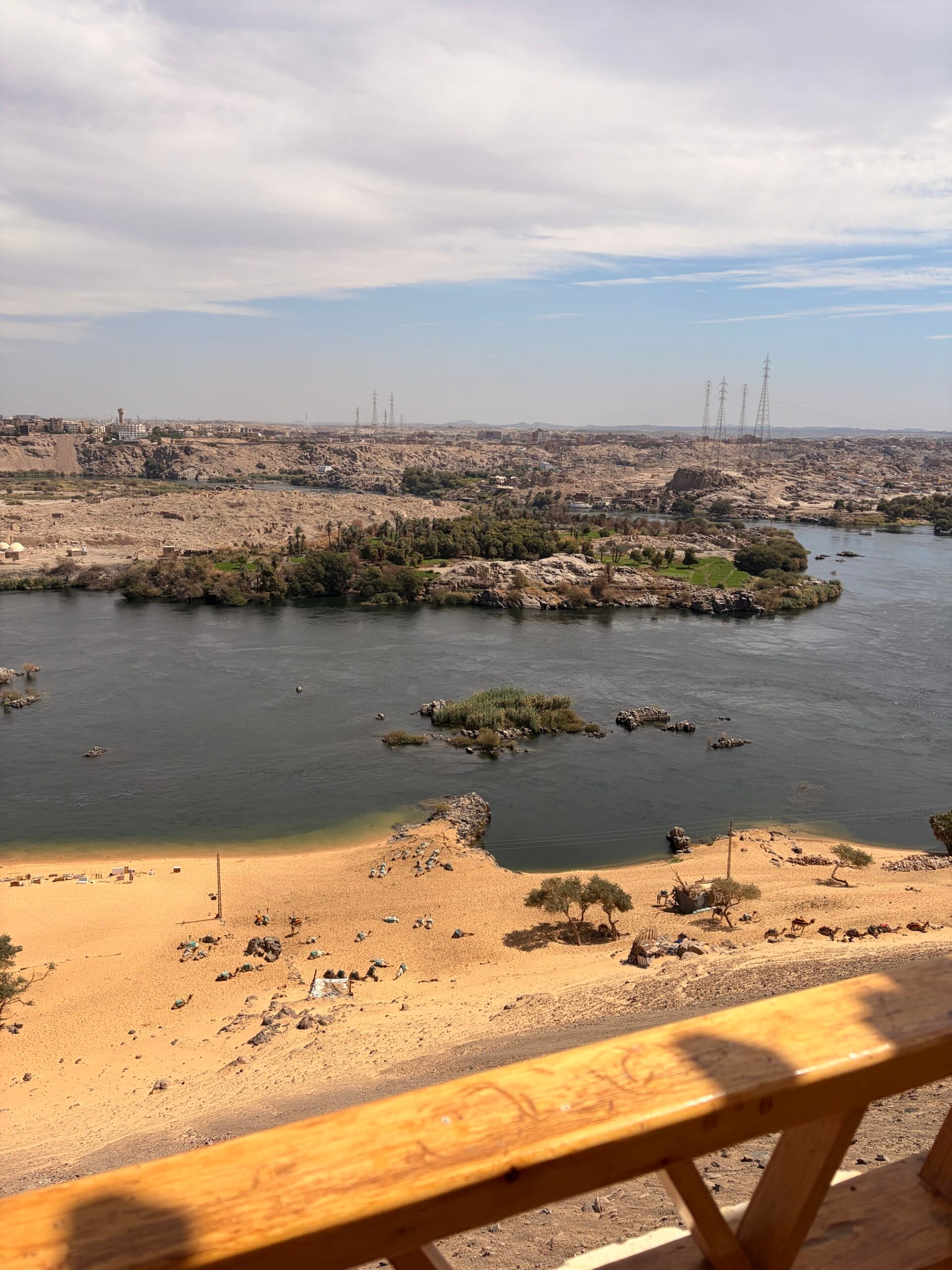
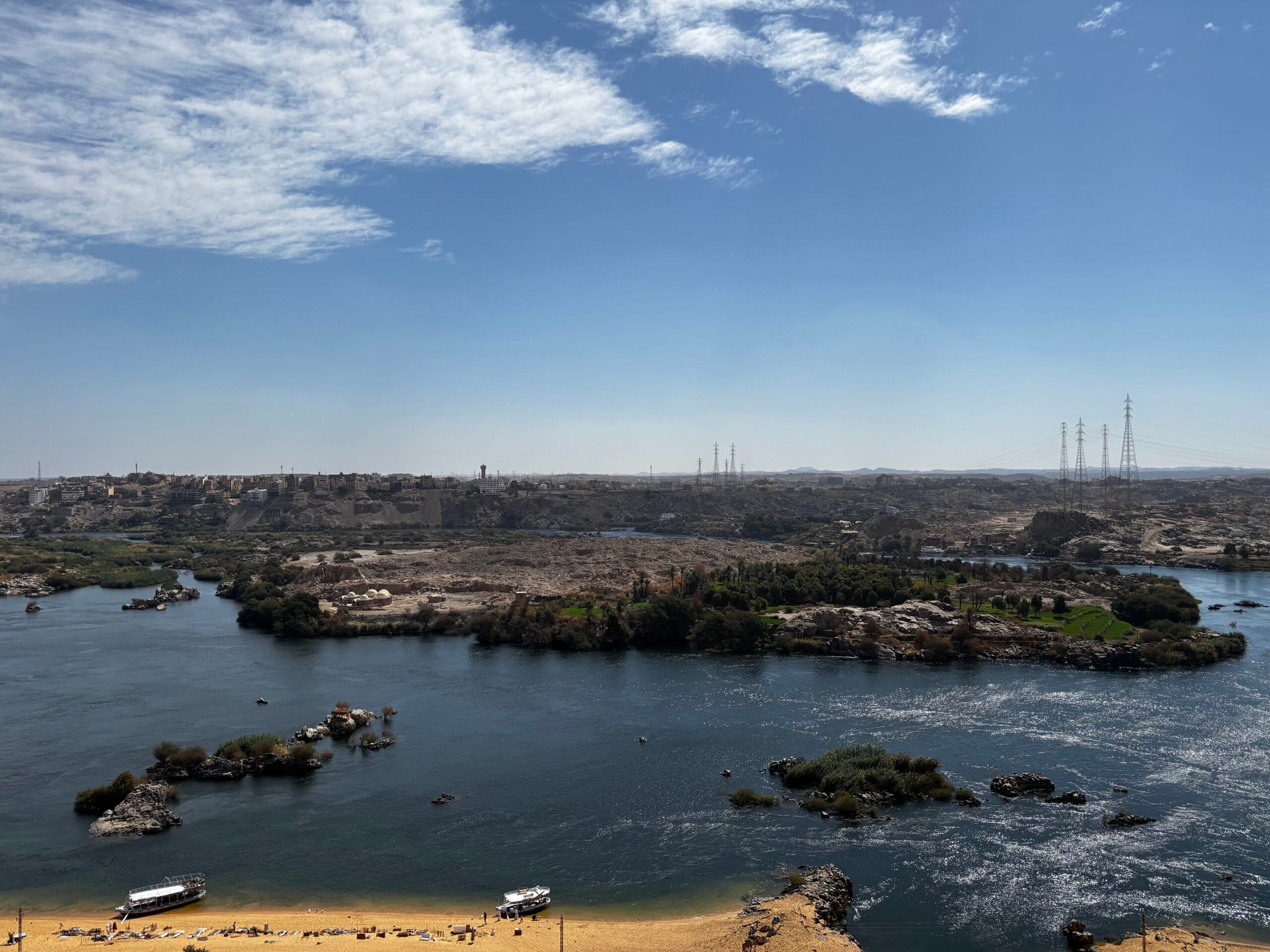
Egypt's sunniest and most serene city, set along a stunning stretch of the Nile with granite islands, golden dunes, and vibrant Nubian culture. Gateway to Abu Simbel and the starting point for Nile cruises.
Plan My Aswan Trip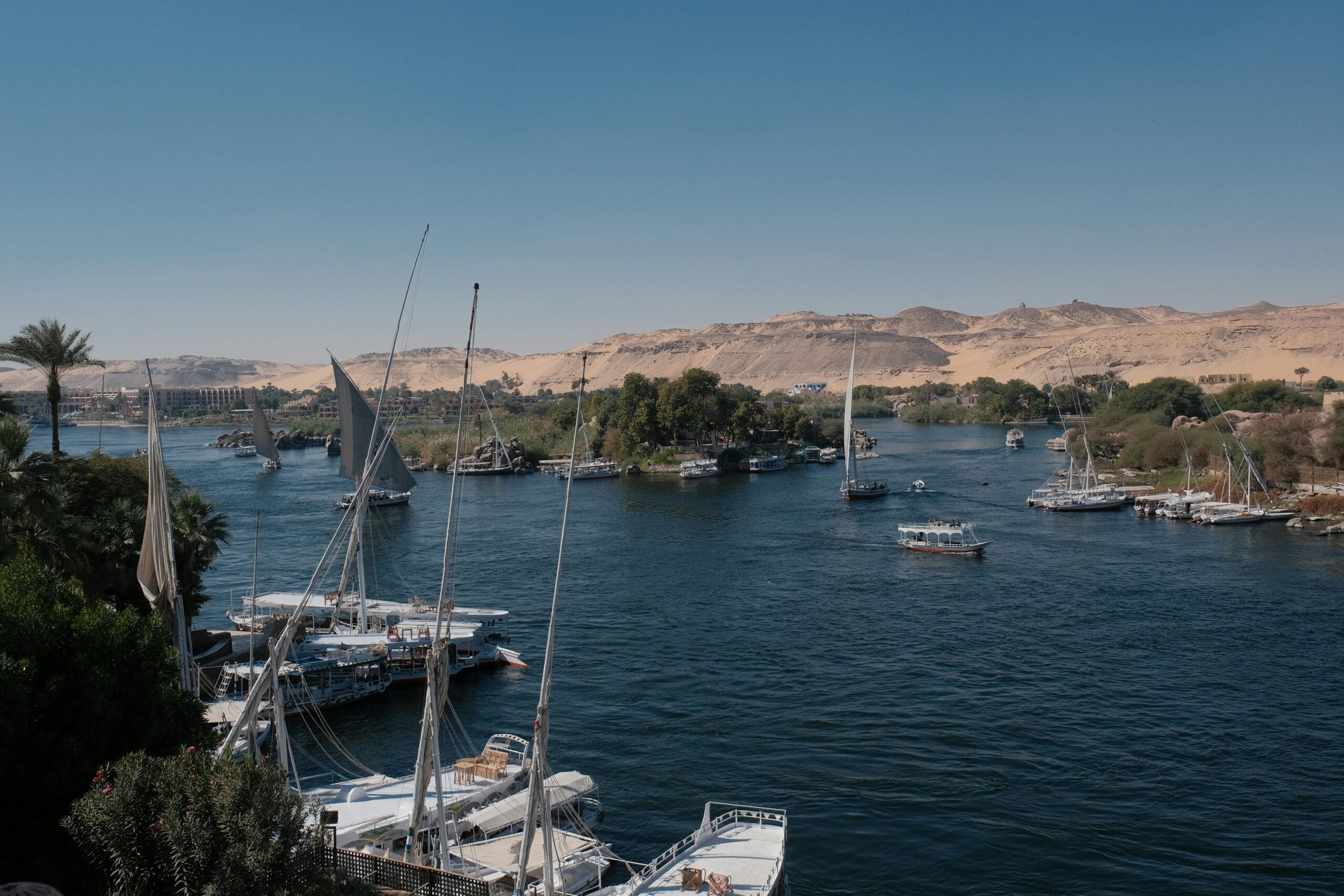
Upper Egypt
November – February
27°C / 81°F
1.5hr flight from Cairo or Nile cruise from Luxor
2 – 3 days
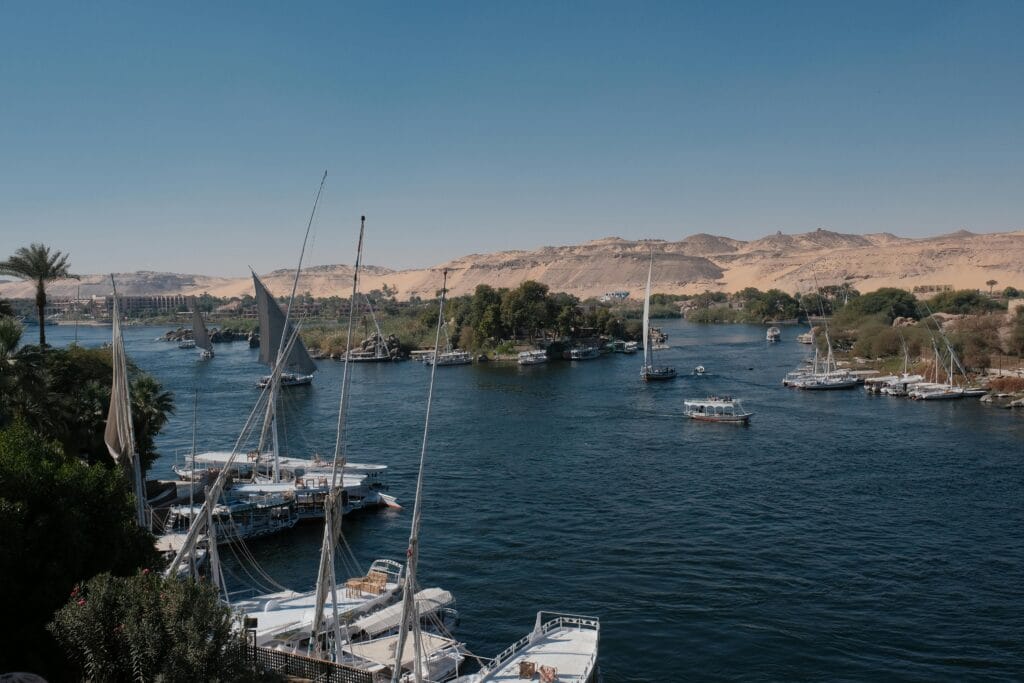
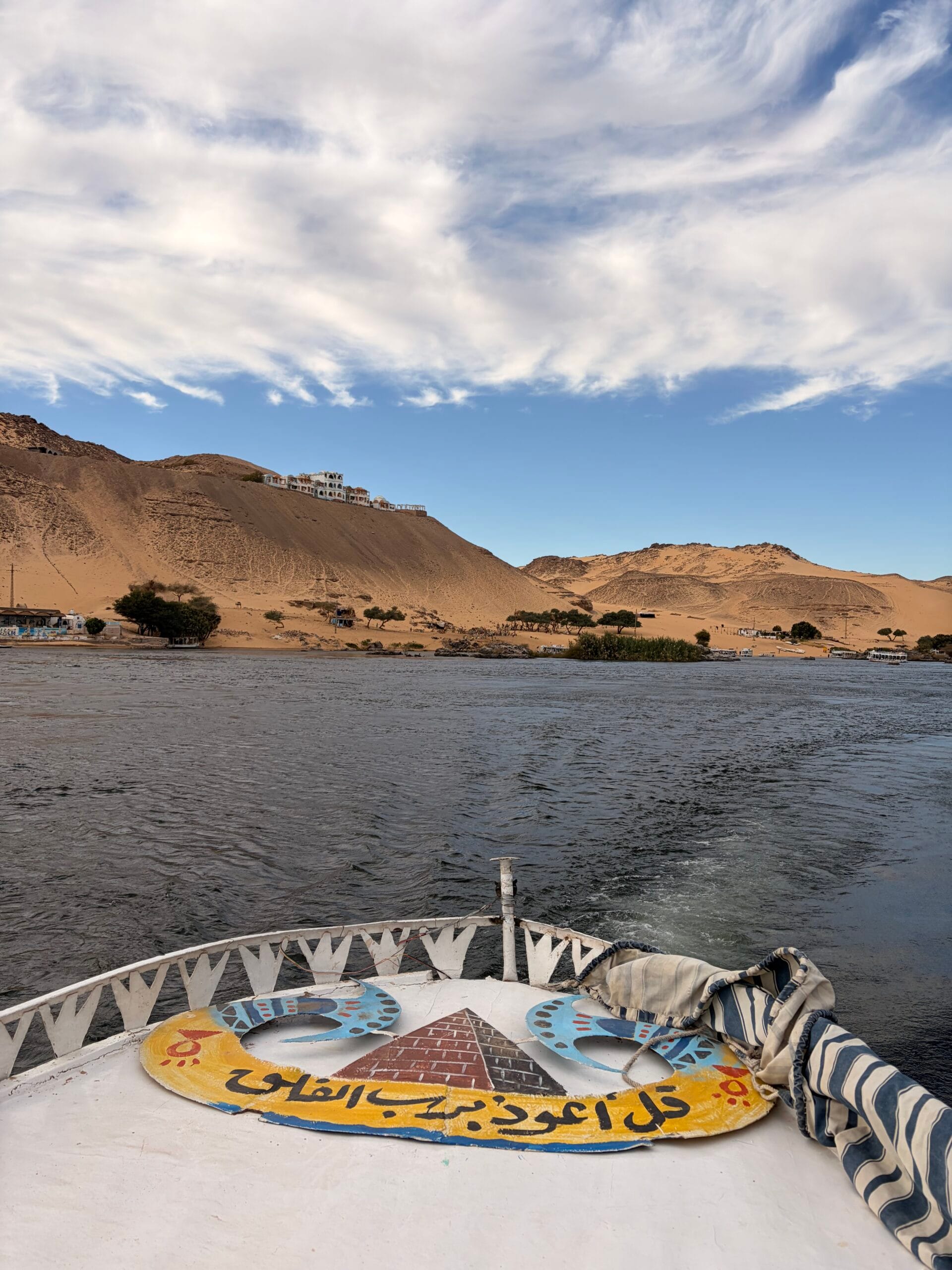
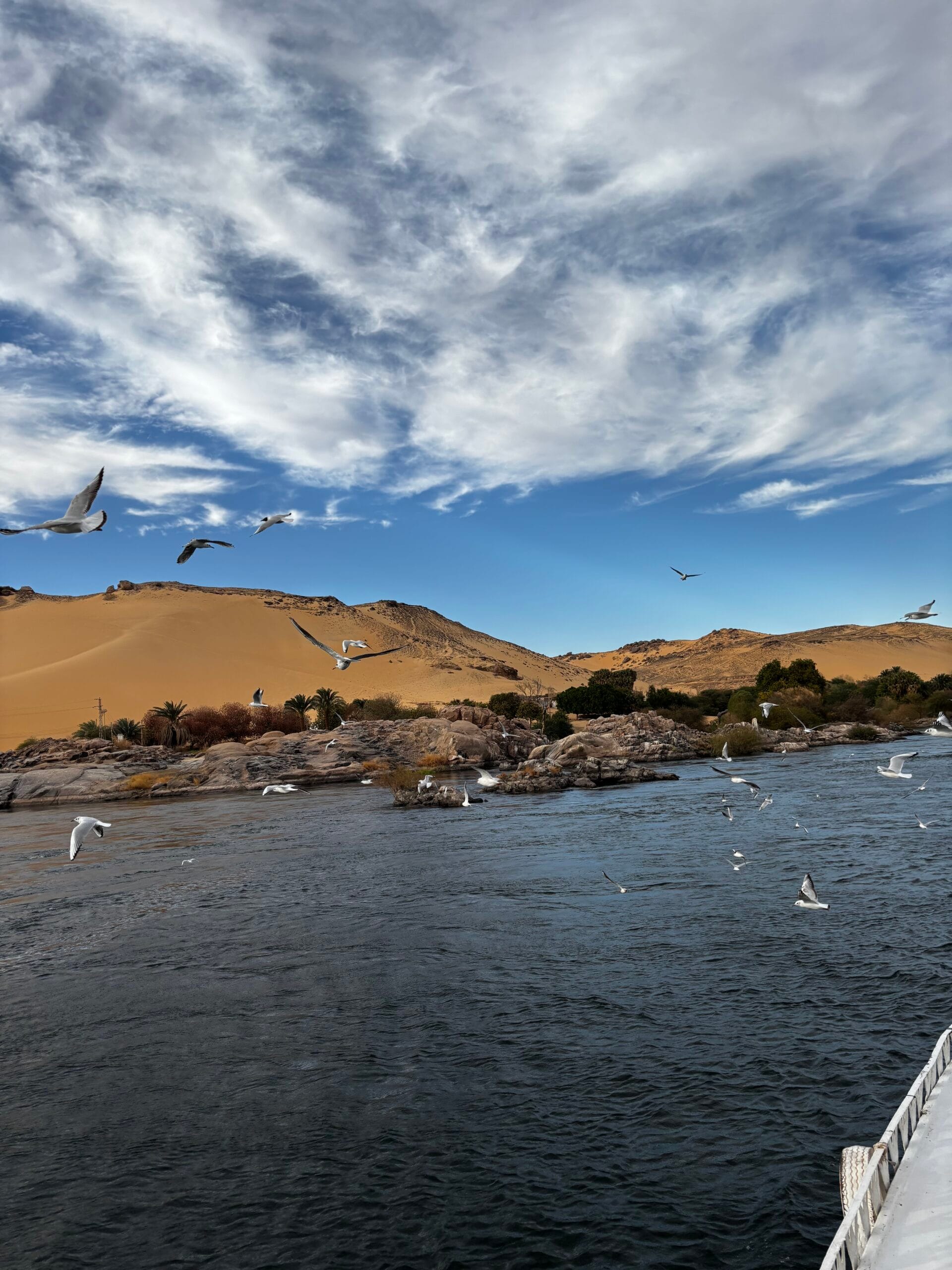
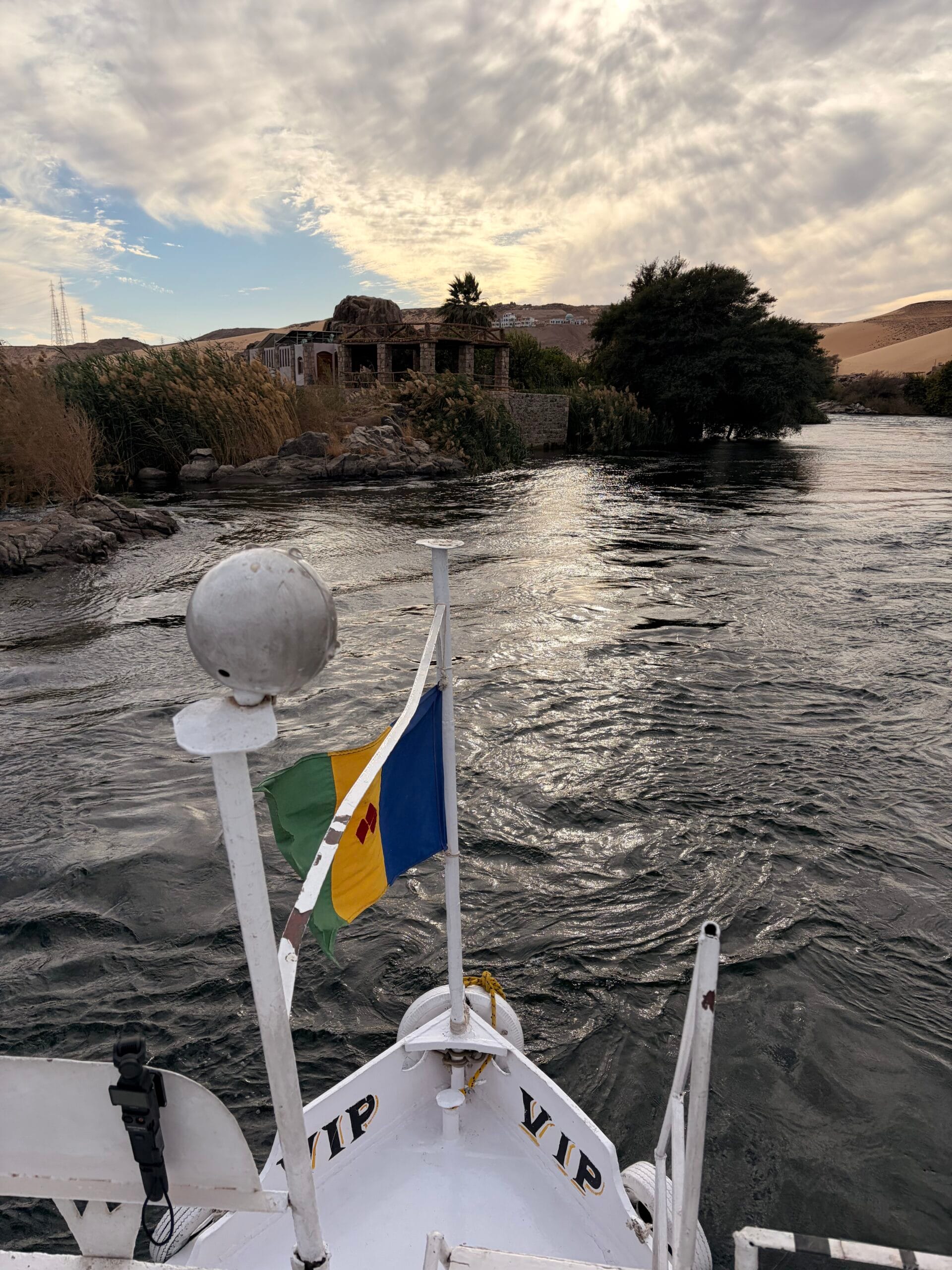
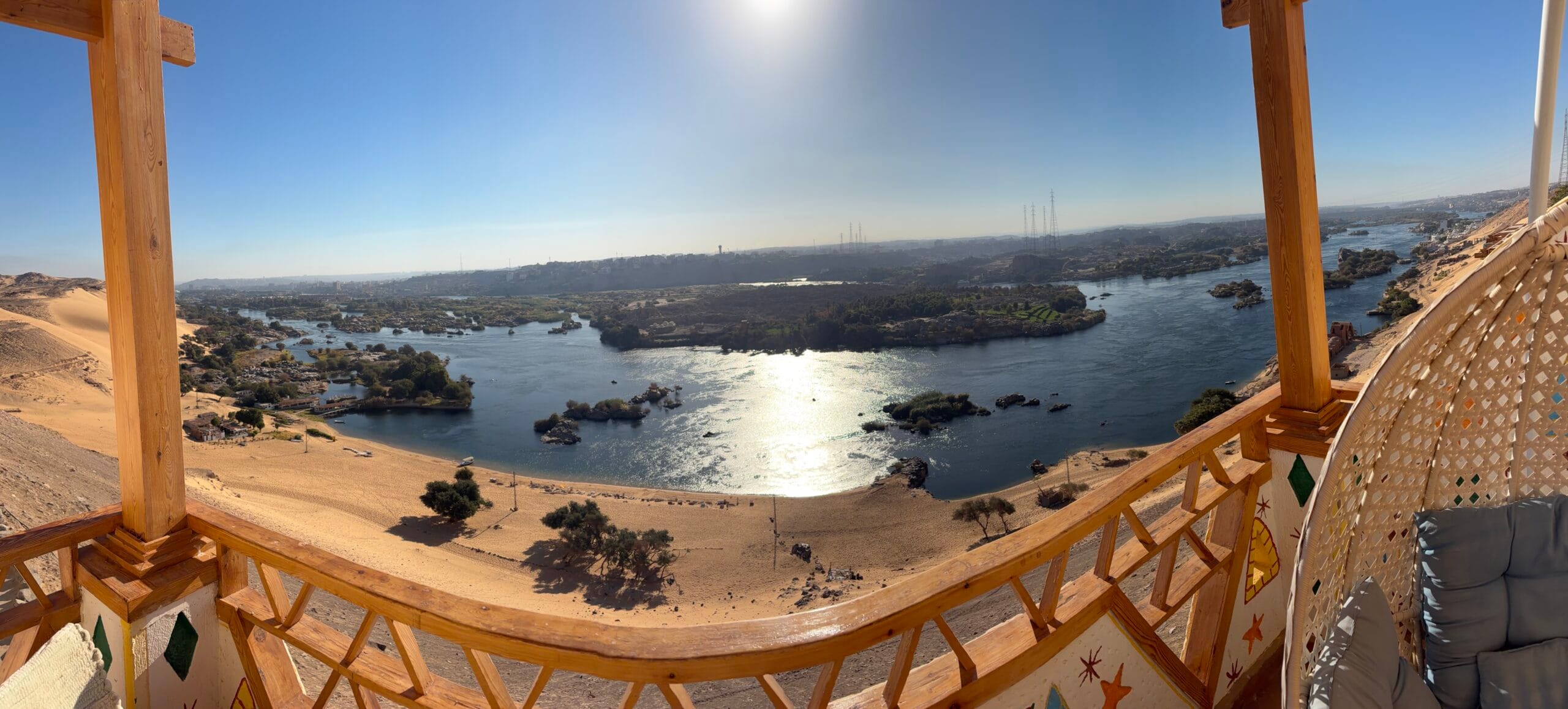
Aswan is the most beautiful and peaceful city along the Egyptian Nile. Set at the southern edge of Upper Egypt, where the river flows around smooth granite islands and past golden sand dunes, Aswan feels like a different country from the noise and energy of Cairo. The pace here is slower, the colors more vivid, and the Nubian cultural heritage gives the city a warmth and character all its own.
For centuries, Aswan was the southern frontier of ancient Egypt, the gateway to Africa, and the source of the fine granite used to build obelisks, statues, and sarcophagi throughout the pharaonic world. Today it is the starting or ending point for most Nile cruises, the base for day trips to the colossal temples of Abu Simbel, and a destination that rewards travelers who take the time to linger.
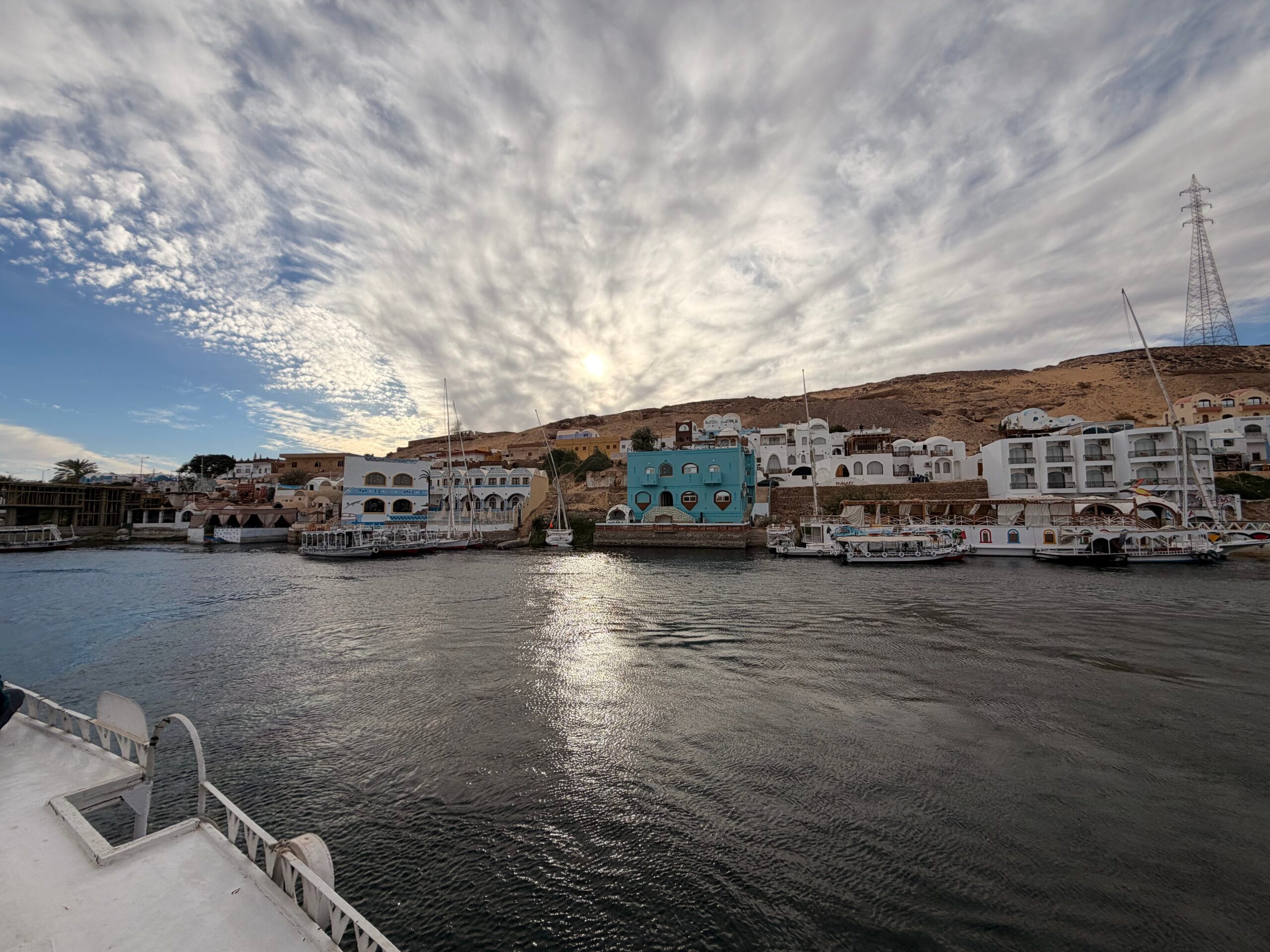
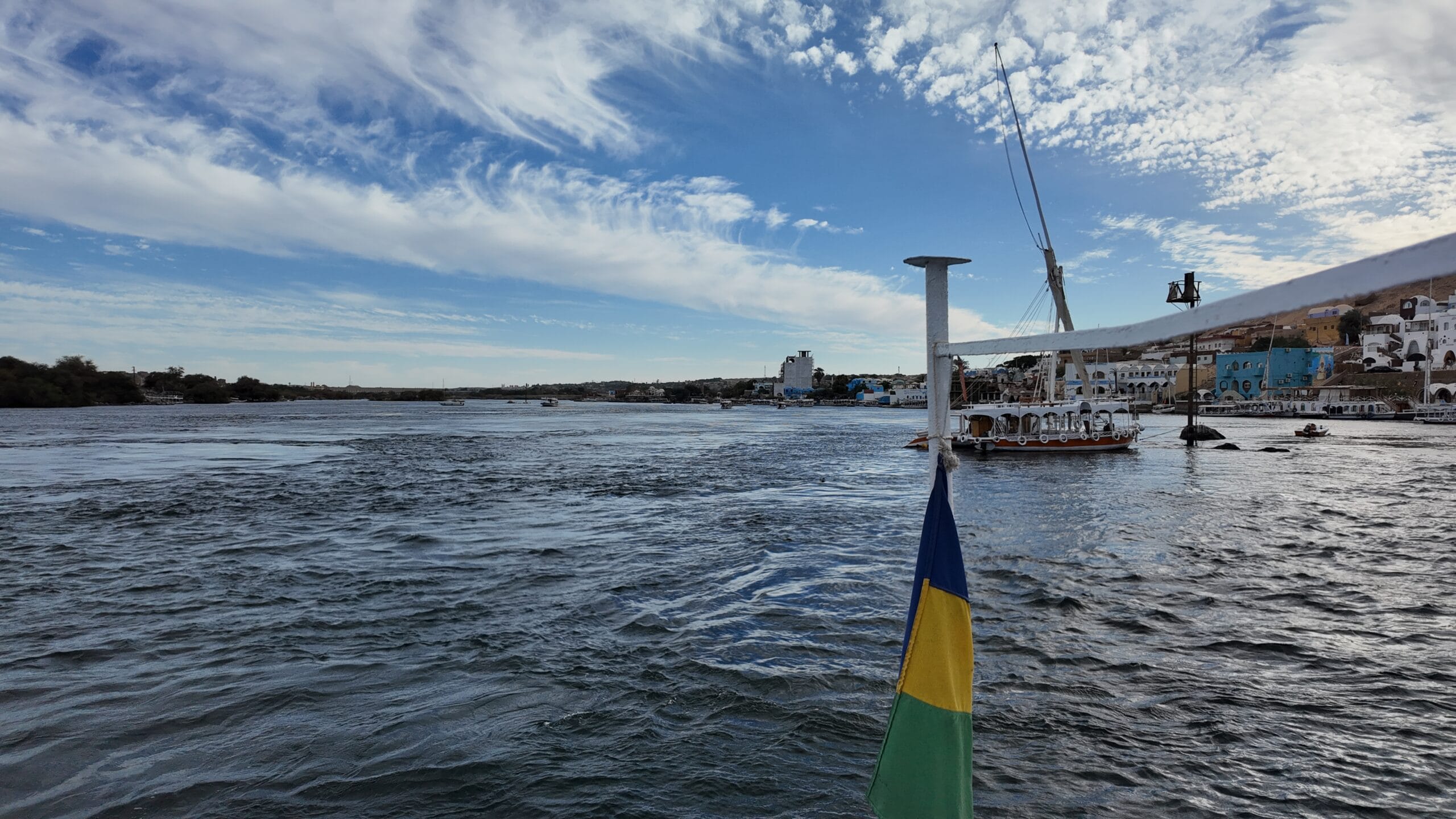
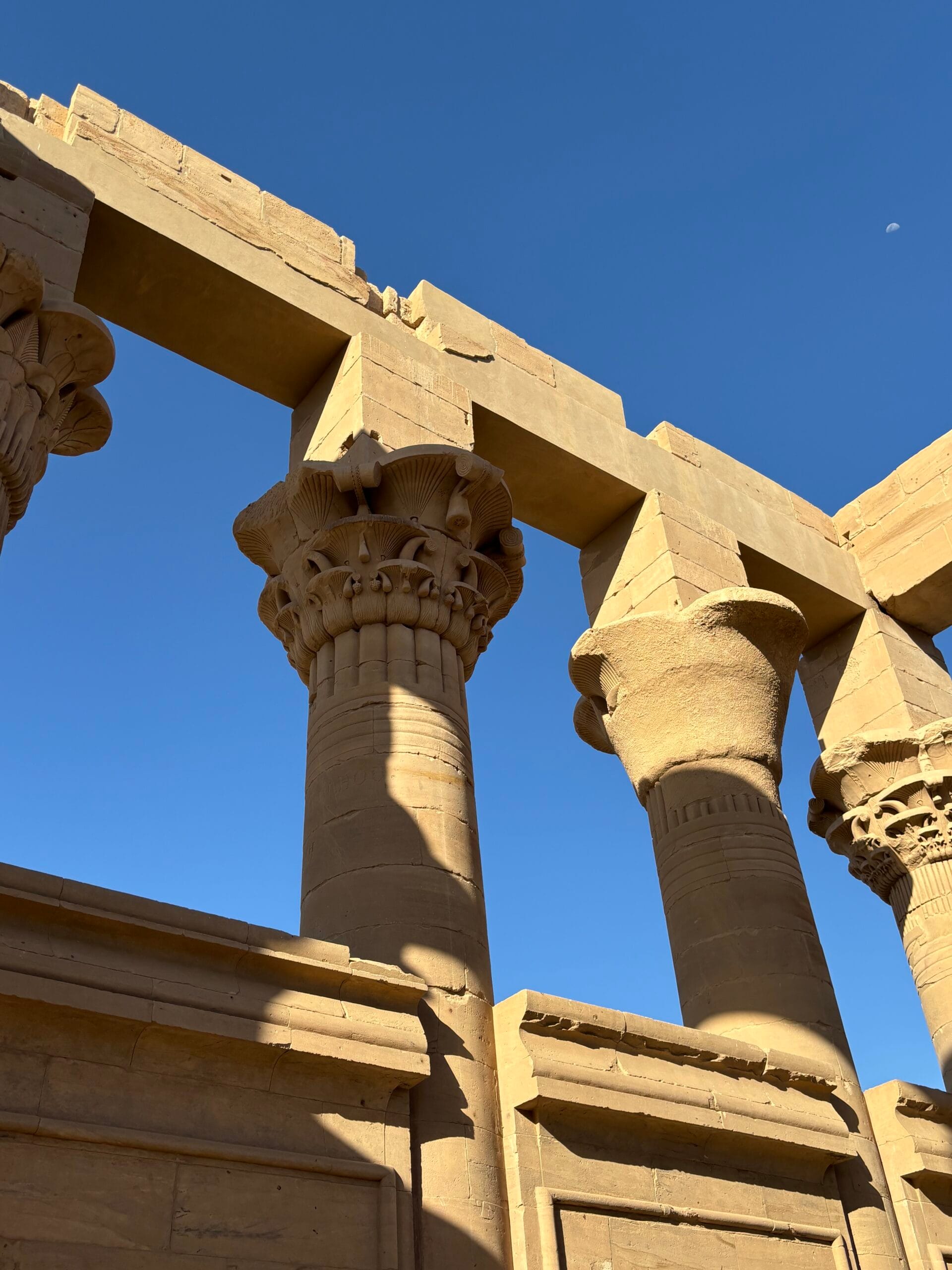
The Temple of Isis at Philae, reached by motorboat across the Nile, is one of the most photogenic temples in Egypt. The Nubian villages on the West Bank, painted in bright blues, yellows, and oranges, offer a cultural experience unlike anything else in the country. And the simple pleasure of drifting on a felucca at sunset, watching the Aga Khan Mausoleum glow on the hilltop while the call to prayer echoes across the water, is one of those travel moments that stays with you for life.
Whether you visit Aswan as part of a Nile cruise, a base for Abu Simbel, or a destination in its own right, this is the Egypt that travelers fall in love with.
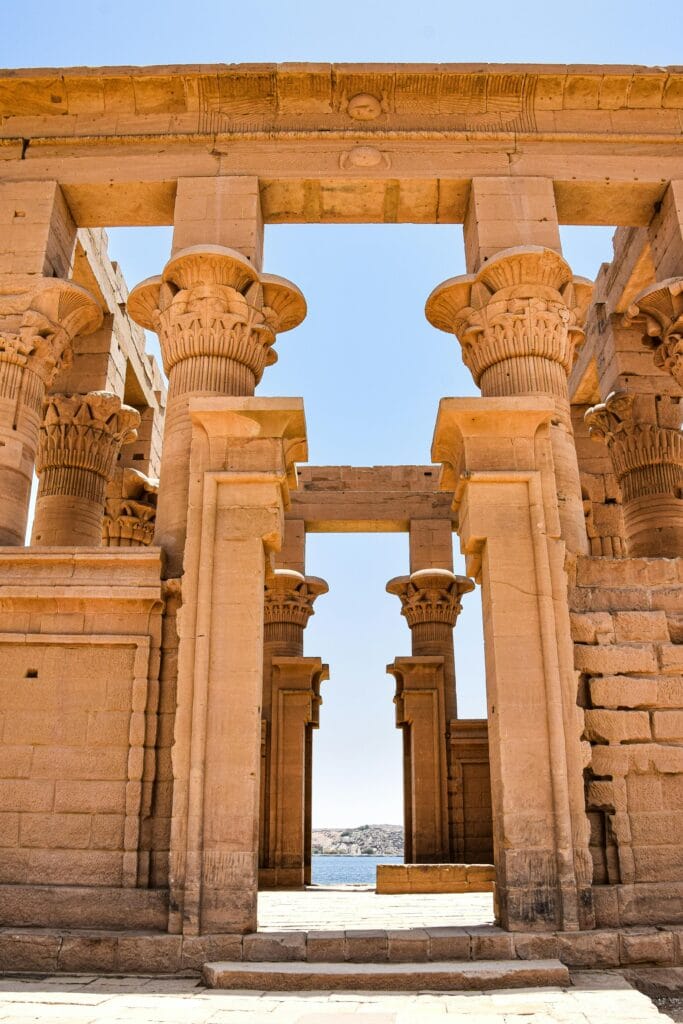
Discover Philae Temple, one of Egypt’s most enchanting ancient sanctuaries, set on Agilkia Island in the Nile near Aswan. Dedicated to the goddess Isis, this tranquil temple complex combines breathtaking architecture, rich mythology, and river views to create a truly unforgettable experience.
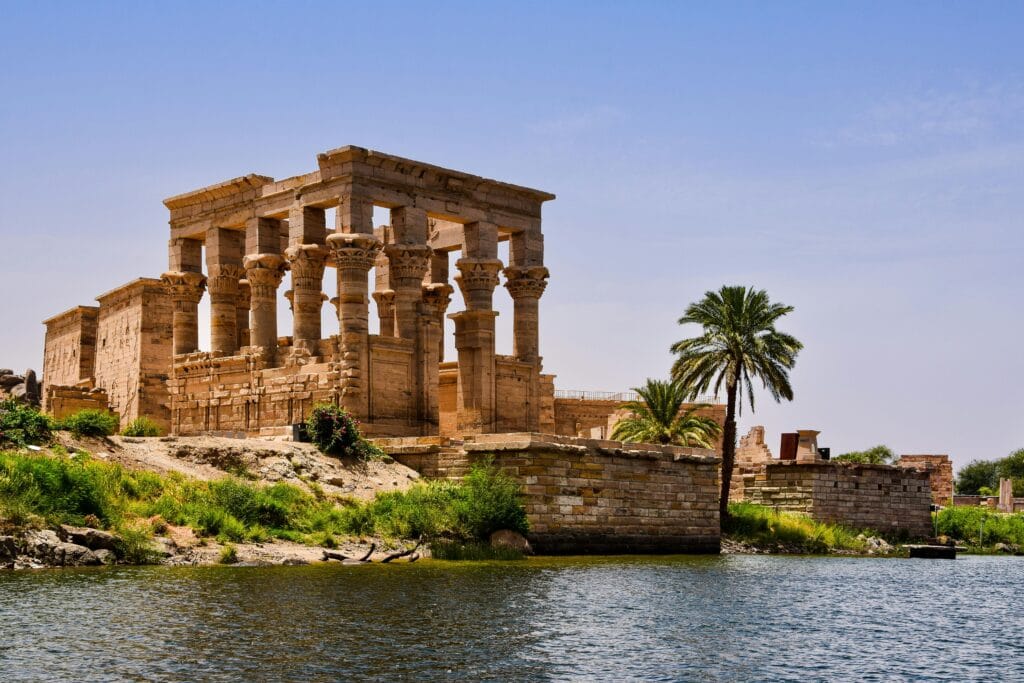
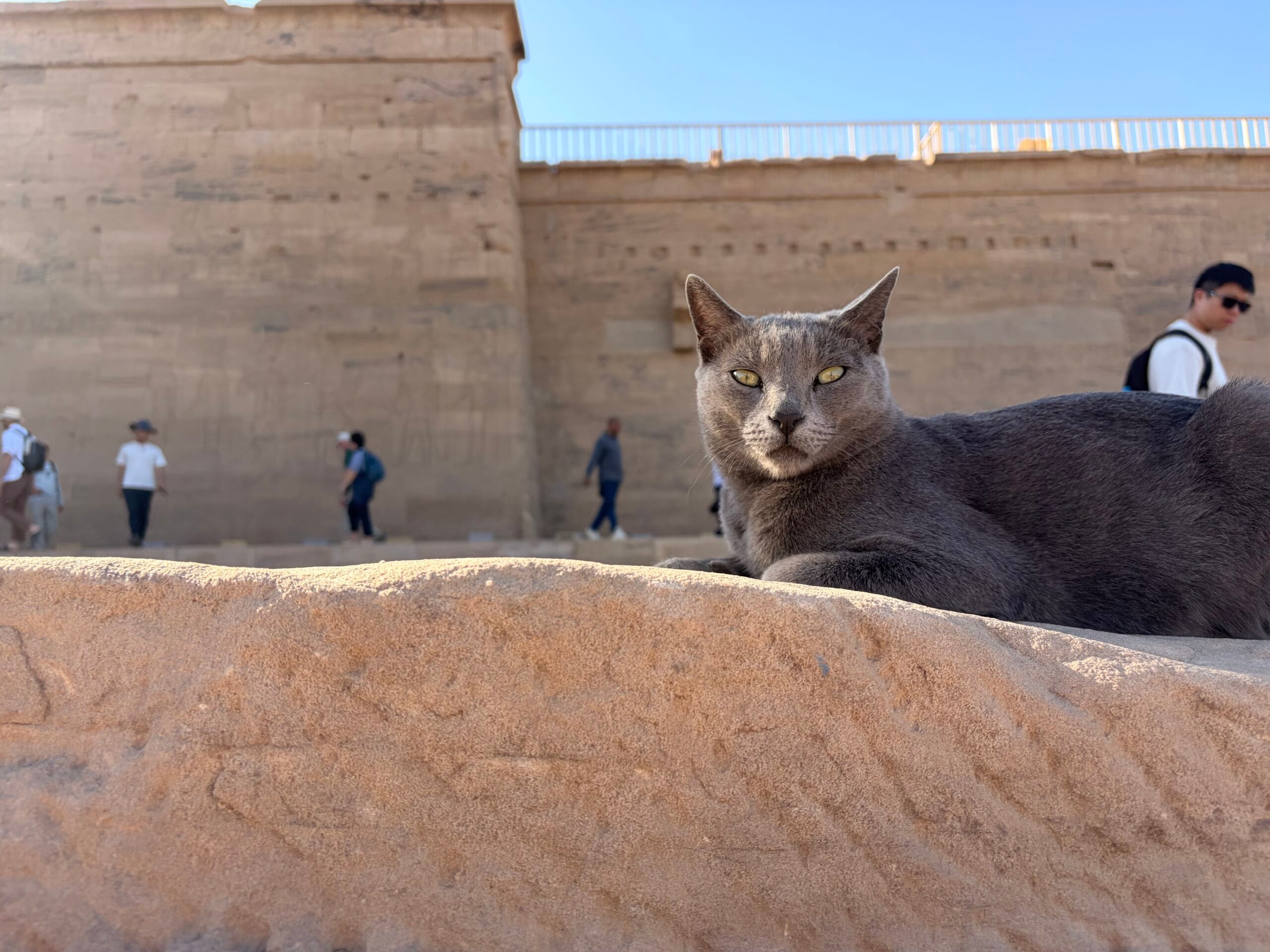
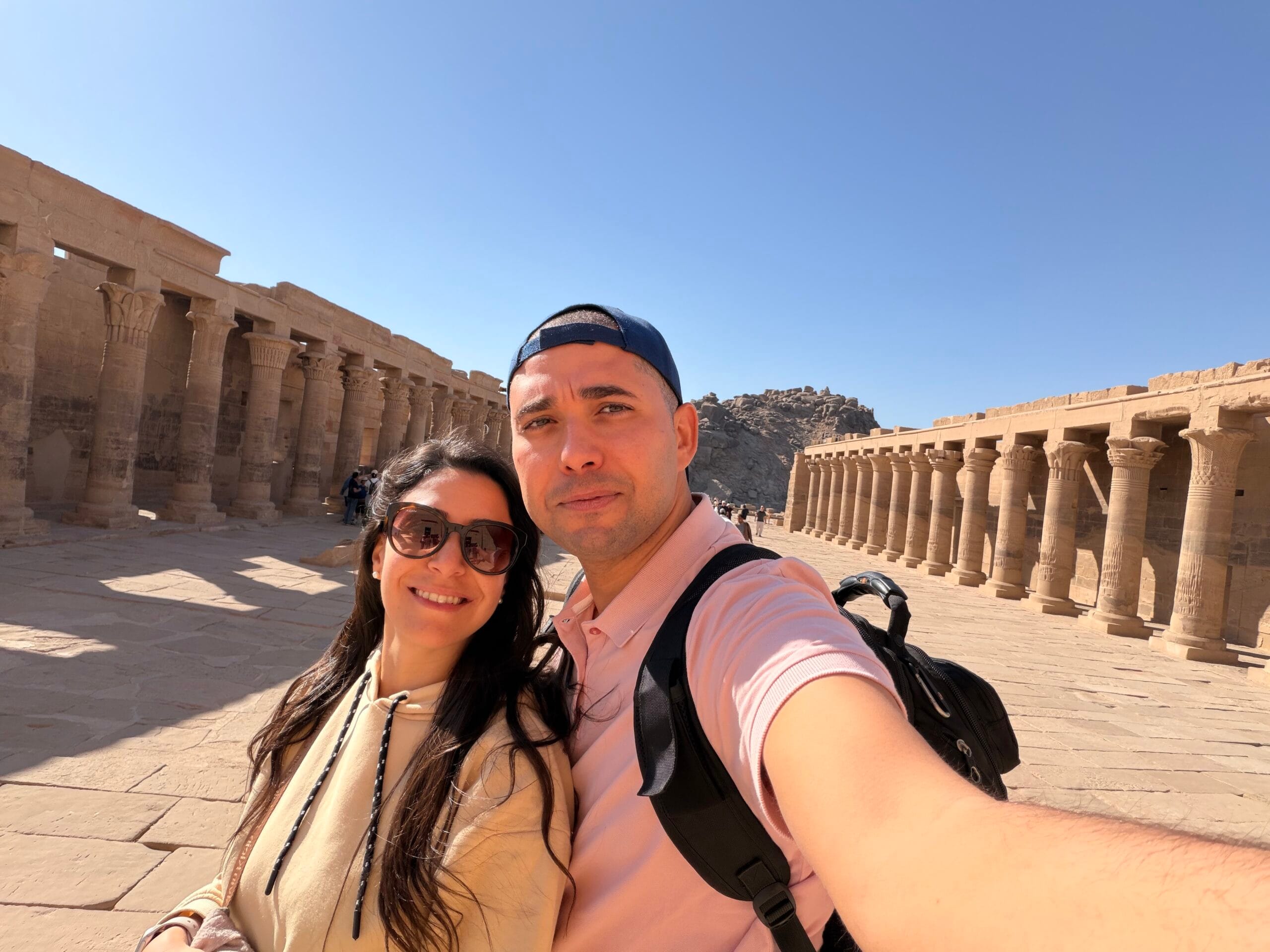
Take a motorboat across the Nile to Agilkia Island, where the Temple of Isis stands surrounded by water and palm trees. The graceful colonnades and detailed reliefs make Philae one of the most photogenic temples in Egypt. It was one of the last places where the ancient Egyptian religion was actively practiced, remaining in use until the 6th century. The boat ride itself is part of the experience.
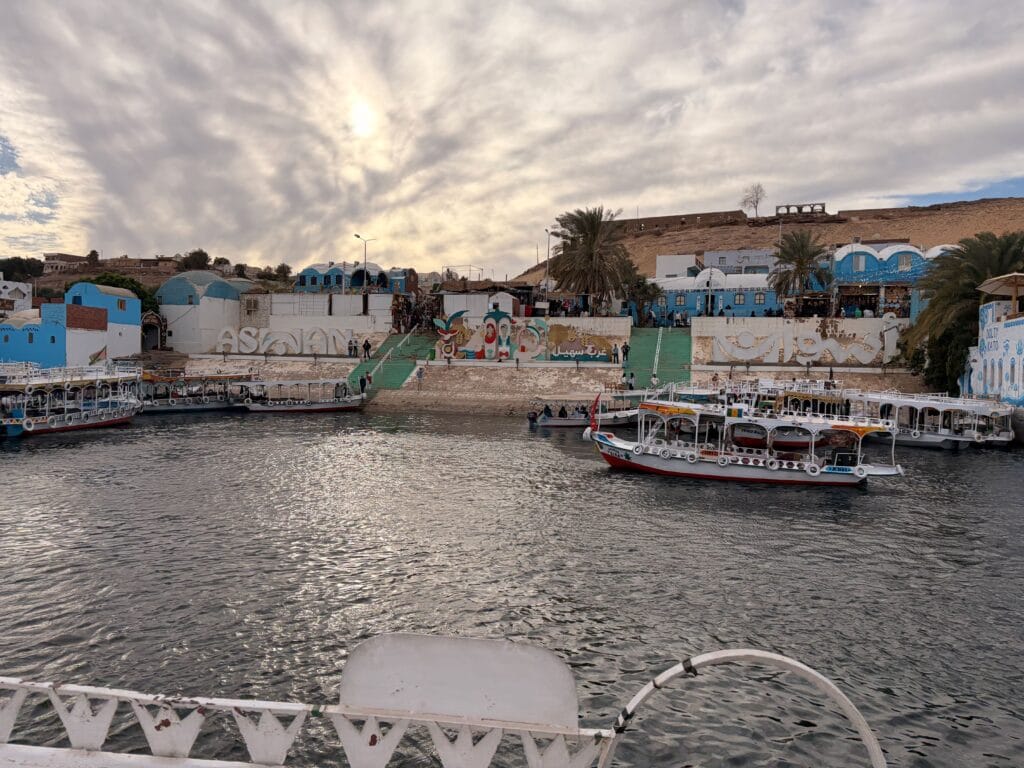
Cross the Nile by motorboat to one of the painted Nubian villages on the West Bank. Walk through narrow lanes lined with brightly colored houses, meet local families, sample traditional Nubian food, and learn about a culture that has thrived along this stretch of the Nile for thousands of years. The hospitality is genuine and the photo opportunities are endless.
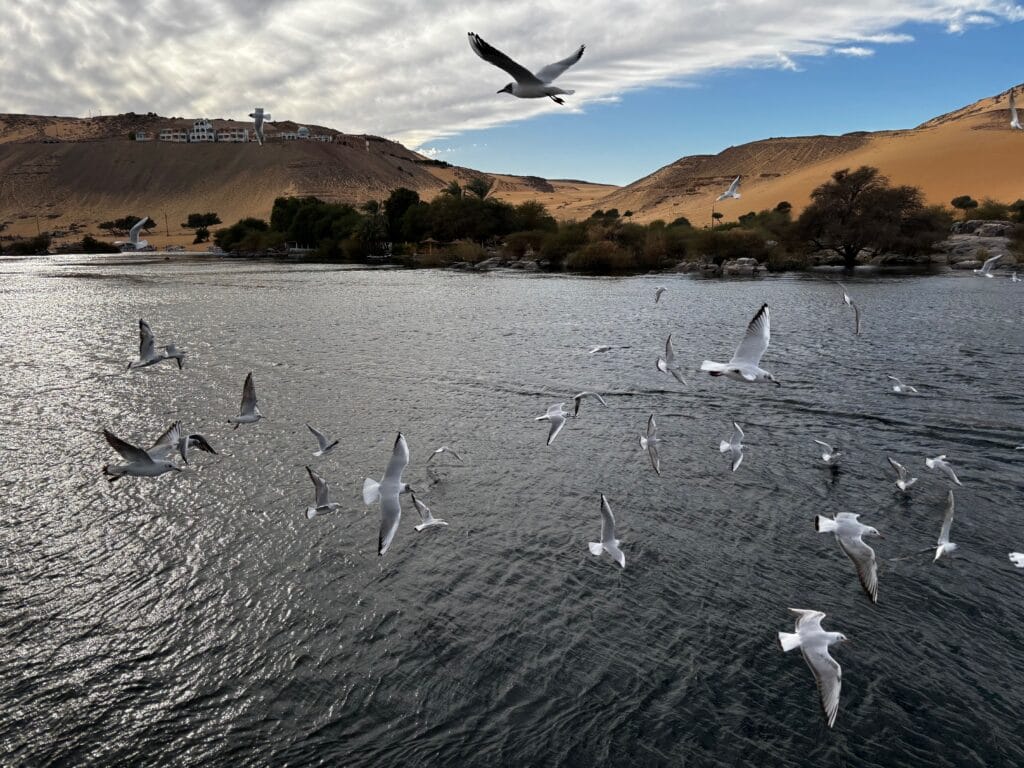
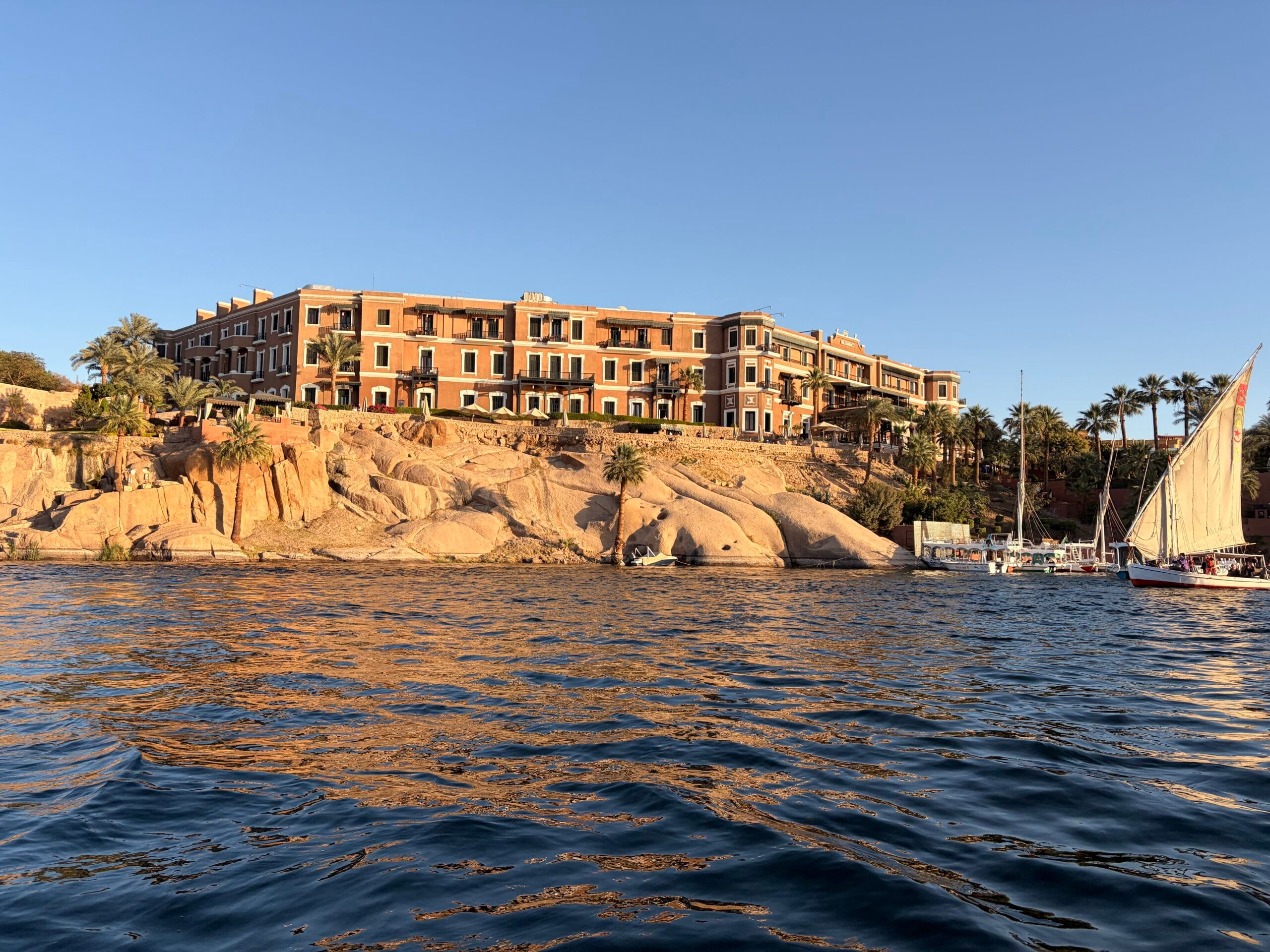
Board a traditional wooden felucca from the Aswan Corniche and sail around Elephantine Island as the sun sets behind the West Bank dunes. The golden light on the granite boulders, the silhouette of the Aga Khan Mausoleum on the hilltop, and the silence broken only by the wind in the sail make this one of the most peaceful experiences in Egypt. Rides last about an hour.
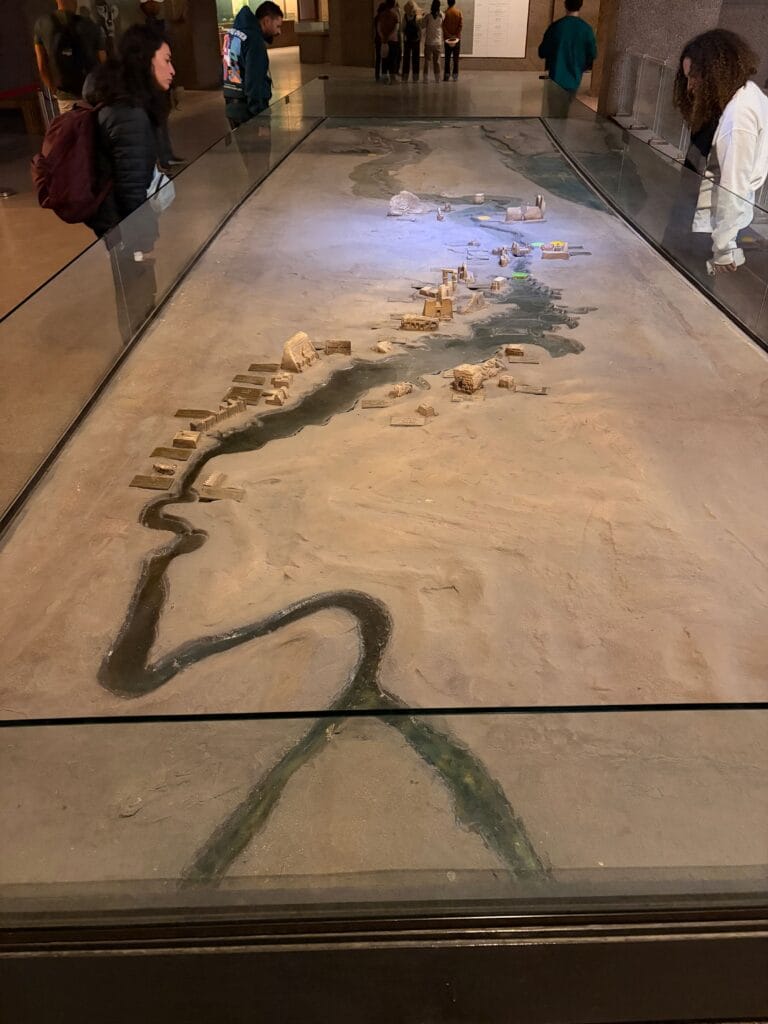
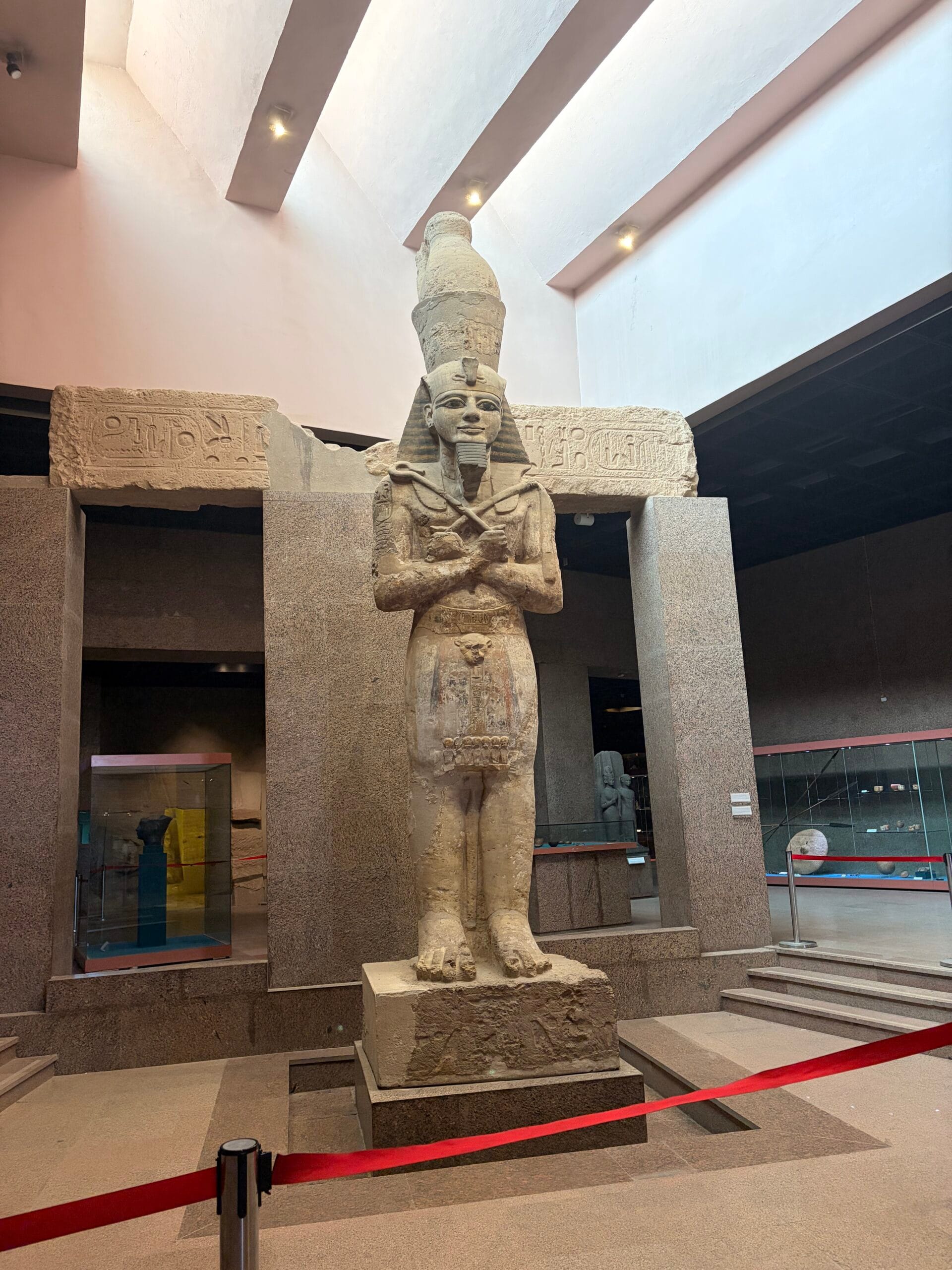
This beautifully designed museum tells the story of Nubian civilization from prehistoric times through the UNESCO rescue operations of the 1960s. The collection includes pottery, jewelry, weapons, and a full-scale reconstructed Nubian house. It provides essential context for understanding the temples of Philae and Abu Simbel, both of which were relocated to save them from flooding. Allow about 1.5 hours.
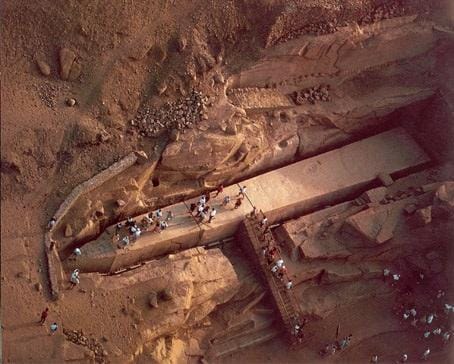
Visit the ancient granite quarries where a massive obelisk, ordered by Queen Hatshepsut, was abandoned after a crack appeared during carving. Had it been completed, it would have been the tallest obelisk ever erected at over 40 meters. The site gives fascinating insight into how the ancient Egyptians extracted and transported these enormous stone monuments. A quick visit of about 30 to 45 minutes.
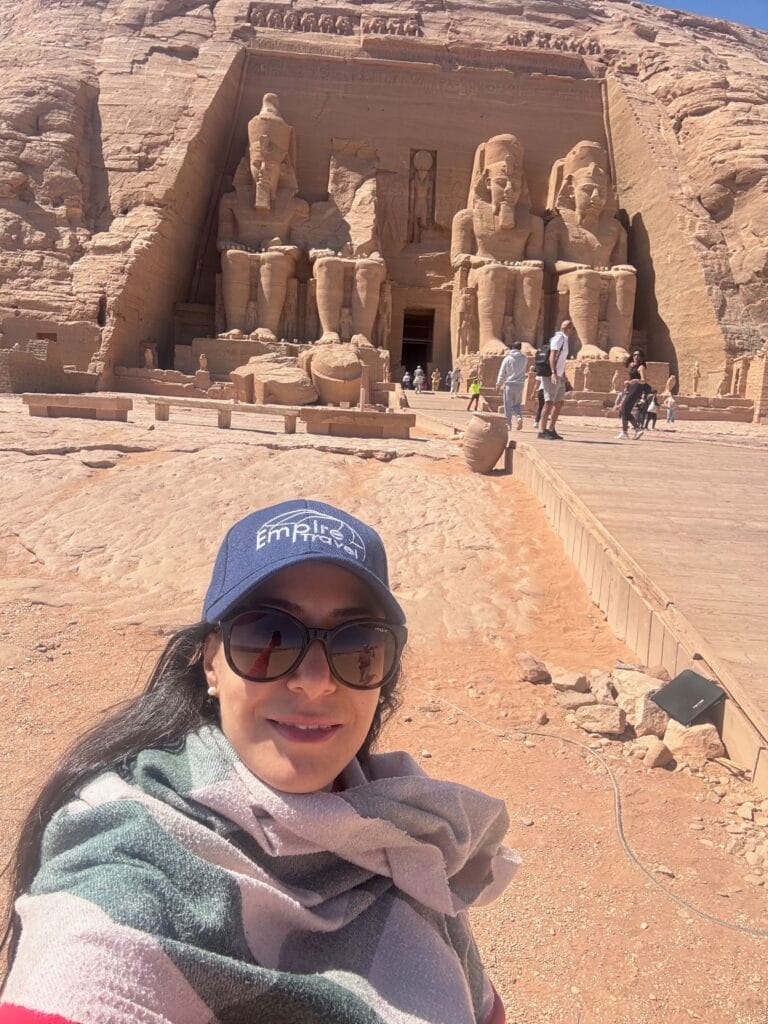
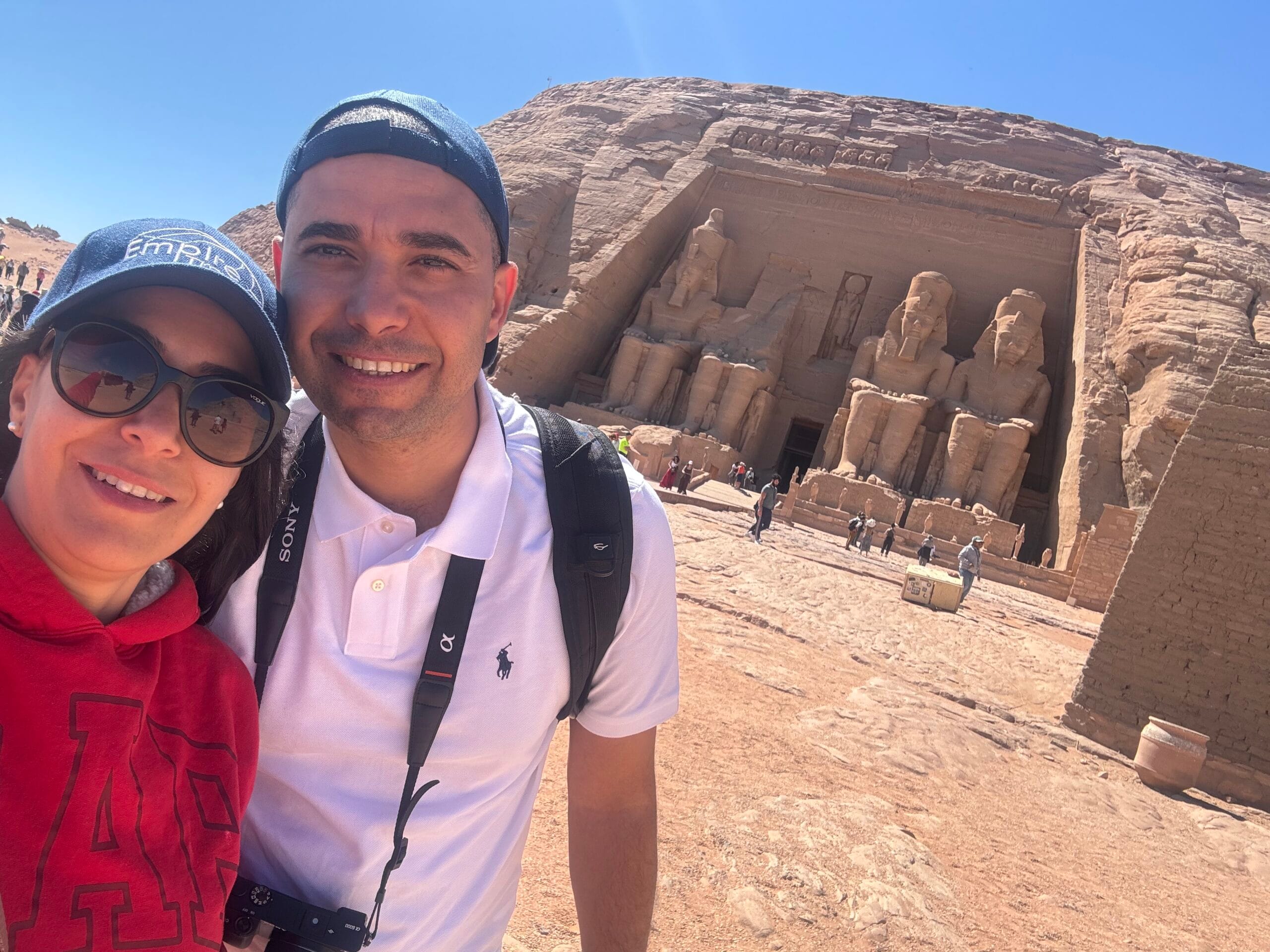
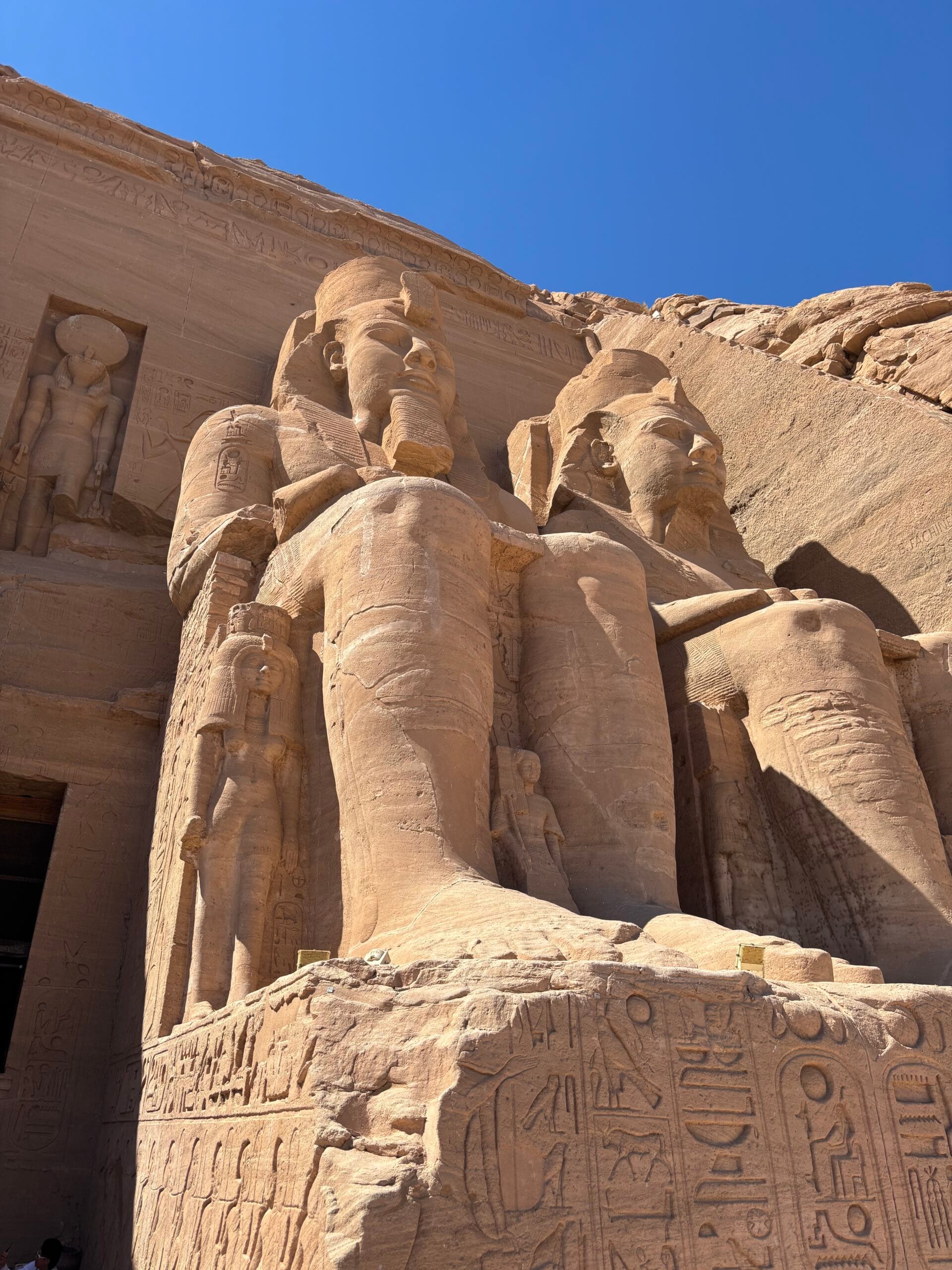
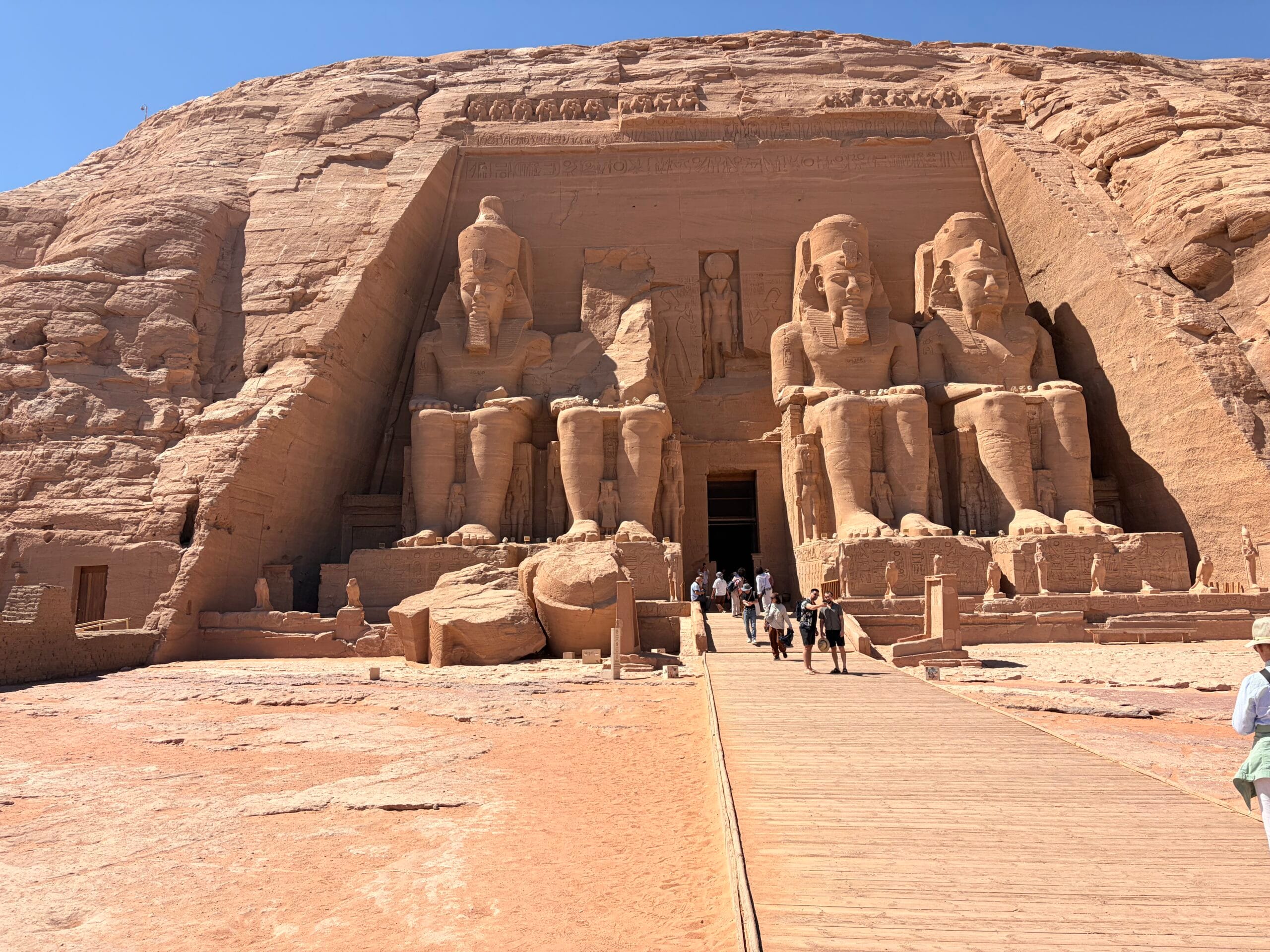
The twin temples of Abu Simbel, carved into a mountainside by Ramesses II, sit 280 kilometers south of Aswan near the Sudanese border. Four colossal 20-meter statues guard the entrance. Most visitors reach Abu Simbel by road (3 hours each way, departing around 3 to 4 AM) or by a short 1-hour flight. The early start is worth every minute. Consider staying overnight for the Sound and Light Show.
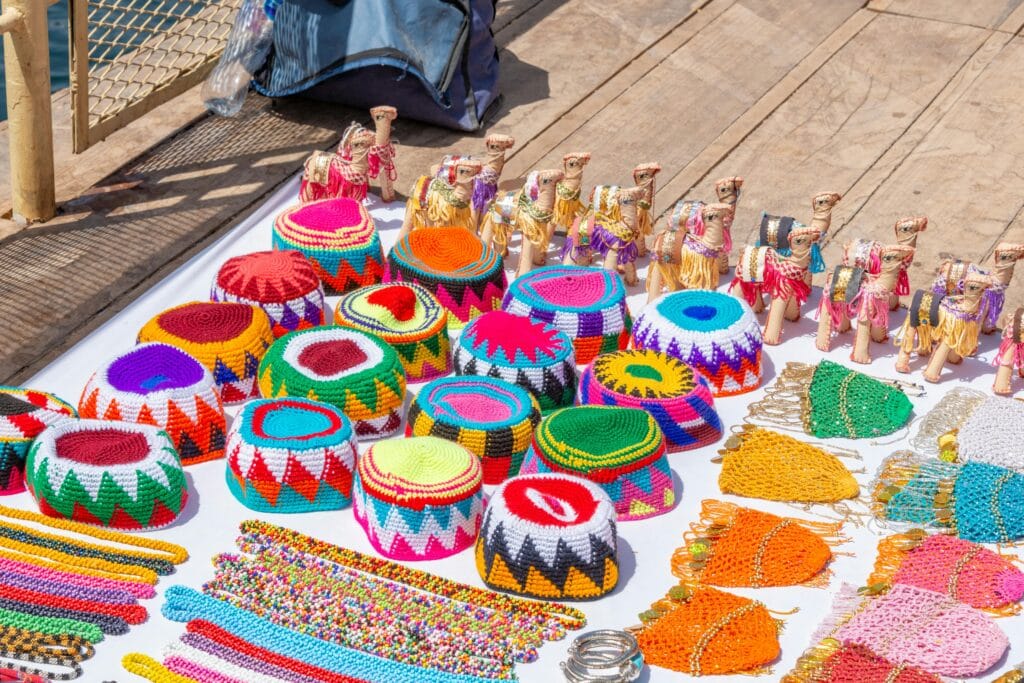
Aswan's market runs parallel to the Corniche and is one of the most colorful and relaxed souks in Egypt. The stalls are packed with Nubian spices, dried hibiscus (karkade), henna, handwoven baskets, and essential oils. Prices are lower than in Cairo or Luxor, and the vendors are generally less aggressive. It is a great place to buy spices and souvenirs to take home.
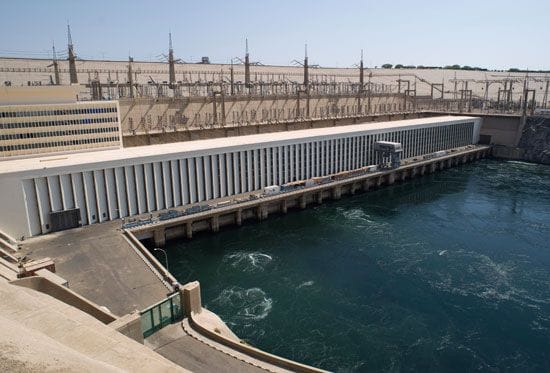
The Aswan High Dam, completed in 1970 with Soviet engineering support, is one of the largest embankment dams in the world. It tamed the annual Nile flood, created Lake Nasser (one of the largest artificial lakes on earth), and generates significant hydroelectric power for Egypt. The views from the top of the dam, looking south over the vast blue expanse of Lake Nasser, are striking. A short visit of about 30 minutes.
November to February is ideal for Aswan. The city is further south than Luxor and significantly hotter in summer. Winter offers warm, sunny days around 25 to 30 degrees with cool evenings, perfect for outdoor sightseeing and felucca rides.
November – February
★★★ Ideal
Warm and sunny with temperatures between 22 and 30 degrees during the day. Cool evenings make riverside dining and felucca rides especially pleasant. This is also peak Nile cruise season, so book well in advance. The best overall conditions for exploring Philae, the Nubian villages, and Abu Simbel.
March – April, October
★★ Good
Temperatures between 28 and 38 degrees. Still comfortable for morning sightseeing but afternoons can be hot. Fewer tourists and better prices on accommodation and cruises. October is an especially good month, with the Abu Simbel Sun Festival on October 22.
May – September
★ Hot
Extreme heat with temperatures regularly exceeding 45 degrees. Aswan is one of the hottest inhabited places on earth during summer. Outdoor sightseeing is genuinely dangerous without proper precautions. Only visit if you can limit activities to before 8 AM. Hotel rates are at their absolute lowest.
Aswan is compact and easy to navigate on foot along the Corniche. Feluccas and motorboats are the main way to reach islands and the West Bank. Taxis are inexpensive for trips to the High Dam, Unfinished Obelisk, and Philae boat dock. All Empire Travel tours include private transport and boat transfers.
The road convoy to Abu Simbel departs very early, typically between 3 and 4 AM, and the round trip takes about 8 hours including 2 hours at the temples. Alternatively, EgyptAir operates daily flights from Aswan to Abu Simbel (1 hour each way), which is faster but more expensive. If your schedule allows, staying overnight at Abu Simbel lets you see the Sound and Light Show and visit the temples in the quieter afternoon light.
Philae Temple is most beautiful in the early morning light. The Nubian villages are best visited around midday when families are home and lunch can be arranged. Felucca rides are best at sunset. The Aswan Souk comes alive in the early evening.
Aswan is one of the hottest and driest cities in Egypt. Summer temperatures exceed 45 degrees and outdoor sightseeing is not recommended between June and September. Even in winter, midday sun is strong. Stay hydrated, wear a hat, and carry sunscreen.
When visiting Nubian villages, dress modestly and ask permission before photographing people, especially women and children. Tipping your host family and buying small handicrafts is appreciated and supports the local community directly. Your guide will handle introductions and ensure you have a respectful and authentic experience.
Felucca captains along the Corniche will call out to you as you walk past. Agree on a price, duration, and route before boarding. Your Empire Travel guide arranges this as part of your itinerary so you avoid negotiation.
Two to three days is ideal. Day one for Philae Temple, the High Dam, and the Unfinished Obelisk. Day two for a Nubian village visit, felucca ride, and the Nubian Museum. If you add Abu Simbel as a day trip, plan a third day. Many travelers experience Aswan as part of a 3 or 4-night Nile cruise, which typically allows 1 to 1.5 days in the city.
Without question. The 3 AM departure is tough, but standing in front of the four colossal statues of Ramesses II at sunrise is one of the most powerful experiences in Egypt. The scale of the temples and the story of their UNESCO relocation are extraordinary. If you prefer a more relaxed visit, fly from Aswan (1 hour) or stay overnight at Abu Simbel.
Philae is reached by a short motorboat ride from the boat dock south of Aswan (about 15 minutes from the city center). The boat ride across to Agilkia Island is part of the charm. Visit in the early morning for the softest light and fewest crowds. The Sound and Light Show at Philae runs most evenings and is considered one of the best in Egypt. Allow about 1.5 to 2 hours for the temple visit.
You can take a motorboat or ferry to the West Bank Nubian villages independently, but visiting with a guide ensures a more meaningful experience. Your guide will have relationships with local families who welcome visitors for lunch and cultural exchange. This makes the visit feel authentic rather than intrusive, and supports the community directly.
Yes. Aswan is one of the safest and most relaxed cities in Egypt. It is smaller and quieter than Cairo or Luxor, and the local Nubian community is known for exceptional hospitality. Tourist sites have security presence, and the Corniche area is well-lit and busy in the evenings. Solo travelers, including women, generally feel very comfortable in Aswan.
A felucca is a traditional wooden sailboat that moves with the wind and river current. It is quiet, scenic, and best for sunset leisure rides around Elephantine Island. A motorboat is faster and is the standard transport to Philae Temple, Nubian villages, and Kitchener Island. Both are part of the Aswan experience. Your Empire Travel itinerary includes both where appropriate.
Aswan’s souk is excellent for Nubian spices (especially saffron, cumin, and cinnamon), dried hibiscus flowers for making karkade tea, henna, essential oils (jasmine, lotus, sandalwood), handwoven baskets, and colorful Nubian textiles. Prices are generally lower than Cairo or Luxor. Bargaining is expected but less aggressive than in bigger cities.
Absolutely. Most Nile cruises either start or end in Aswan. A typical 3 or 4-night cruise sails between Aswan and Luxor (or the reverse), stopping at Kom Ombo and Edfu temples along the way. We recommend flying into Aswan, exploring for a day, then boarding your cruise heading north to Luxor. This gives you the full Aswan experience before the cruise portion begins.