Region
Mediterranean Coast
Egypt's Mediterranean jewel blends Greco-Roman history with seaside atmosphere. Explore the Bibliotheca Alexandrina, Citadel of Qaitbay, and the Catacombs of Kom el Shoqafa.
Plan My Trip to Alexandria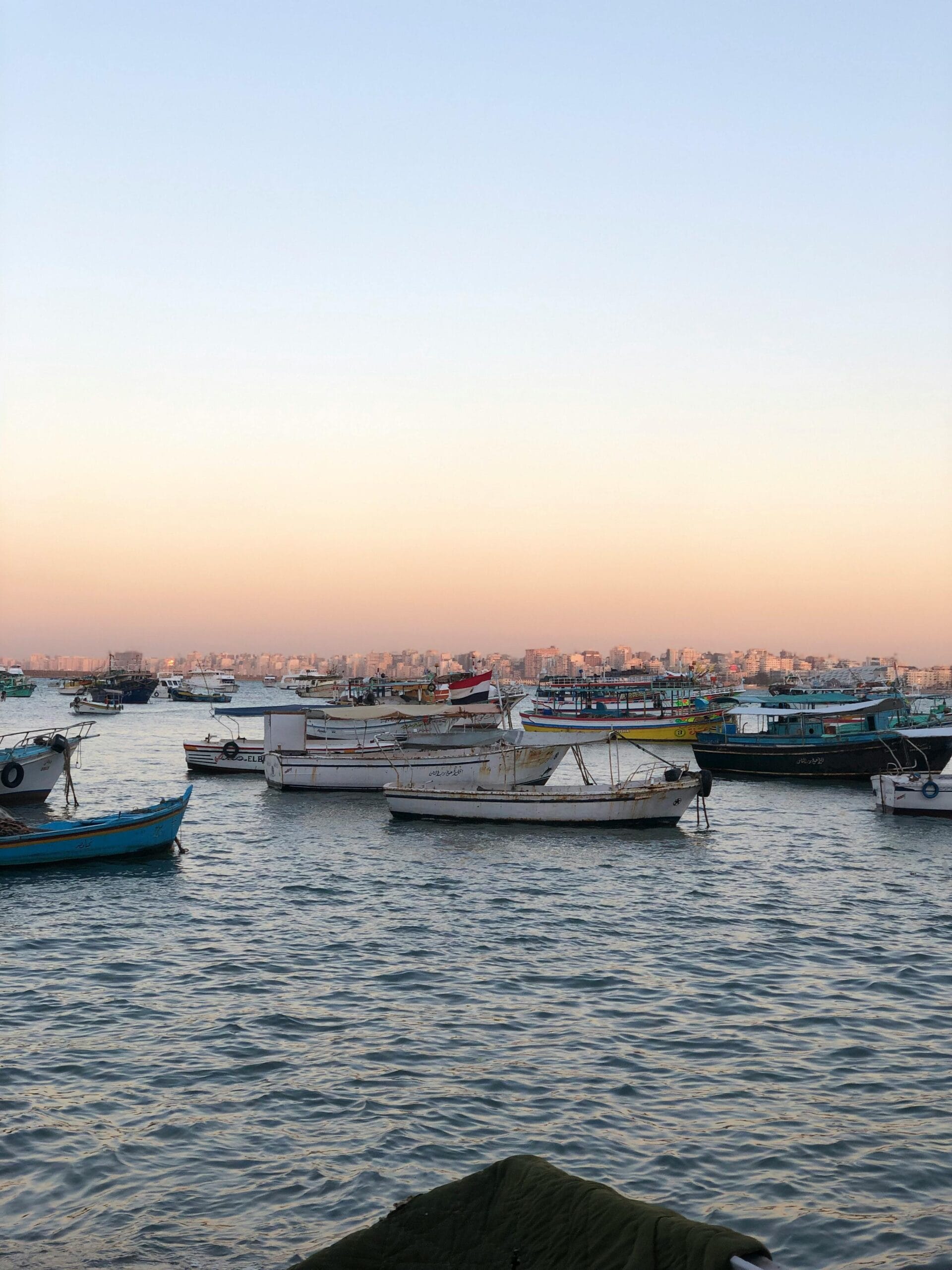
Mediterranean Coast
March – October
21°C / 70°F
Private car, train, or domestic flight from Cairo
1 to 2 nights
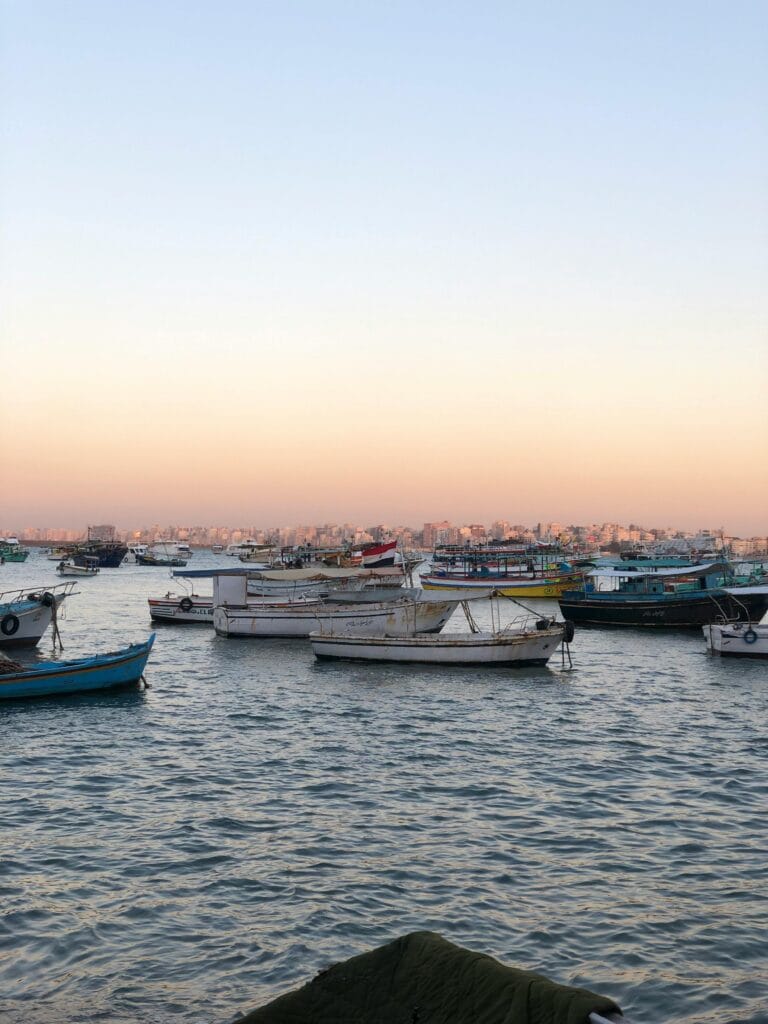
Founded by Alexander the Great in 331 BCE, Alexandria was once the intellectual capital of the ancient world. The legendary Library of Alexandria and the Lighthouse of Pharos, one of the Seven Wonders of the Ancient World, both called this city home. Today, Egypt’s second-largest city retains a distinctly Mediterranean character that sets it apart from anywhere else in the country.
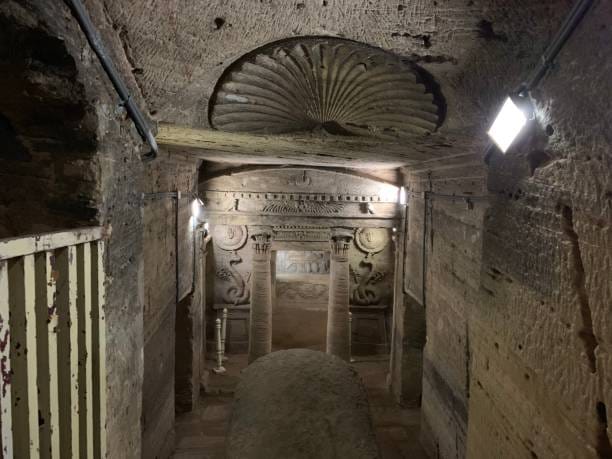
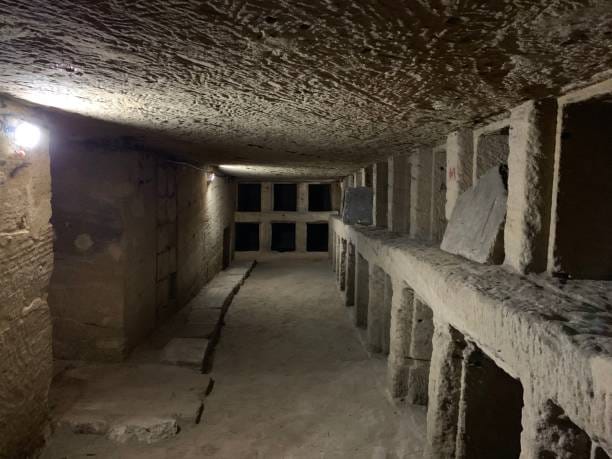
The sweeping corniche stretches along the coastline, connecting the Citadel of Qaitbay (built on the site of the ancient Lighthouse) to the modern Bibliotheca Alexandrina, a stunning tribute to the city’s scholarly heritage. Below ground, the Catacombs of Kom el Shoqafa reveal a fascinating fusion of Egyptian, Greek, and Roman funerary art spanning three floors carved into bedrock.
Alexandria feels different from the rest of Egypt. The pace is slower, the air carries salt, and the architecture reflects layers of Greek, Roman, Ottoman, and colonial European influence. It is a city for wandering, for seafood lunches overlooking the harbour, and for imagining what the ancient world’s greatest metropolis must have looked like at its peak.
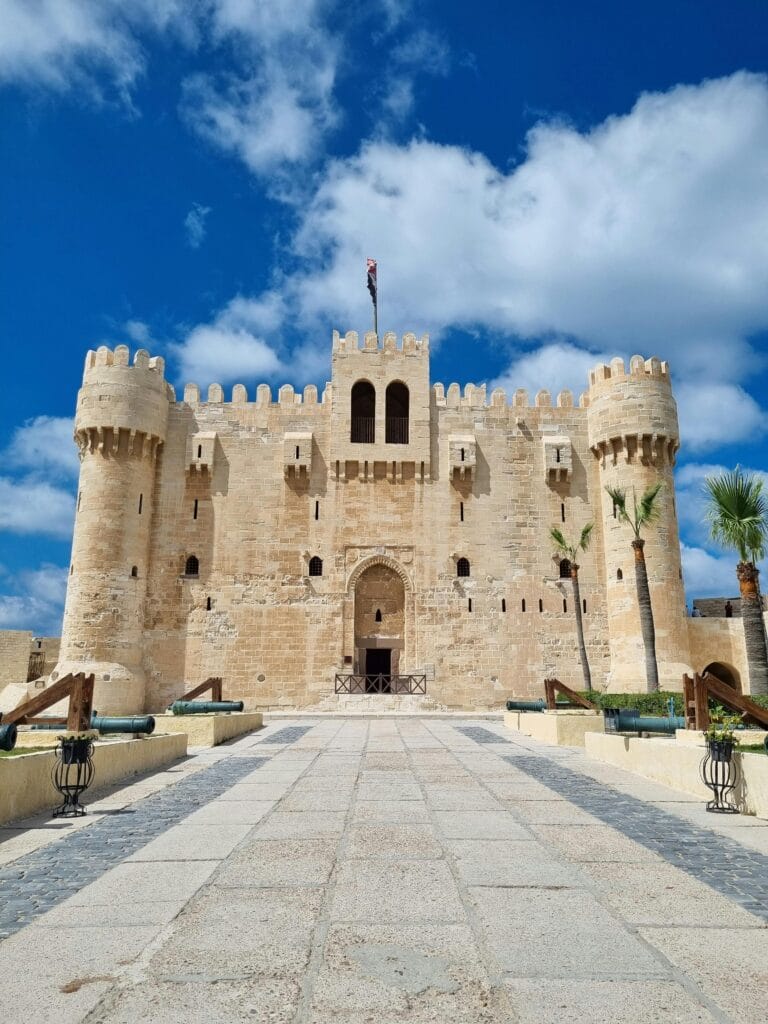
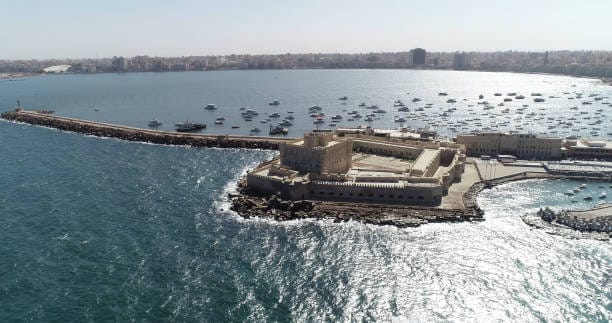
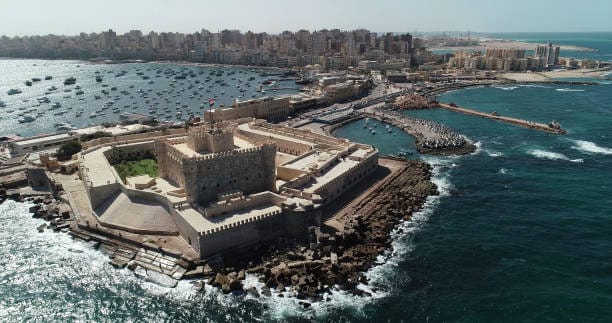
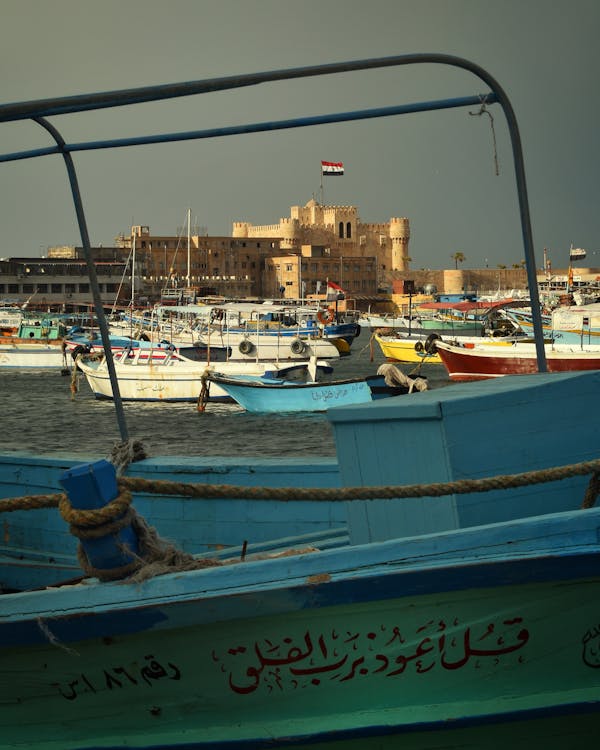
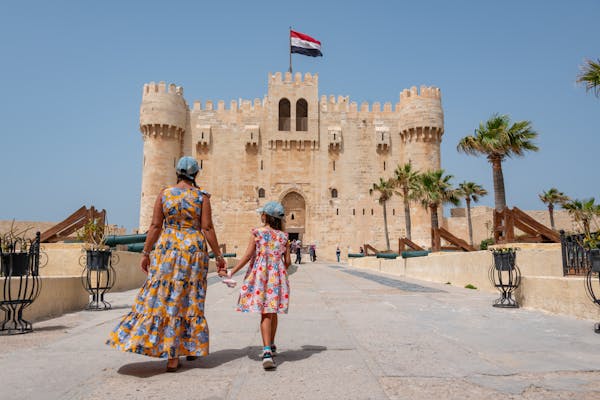
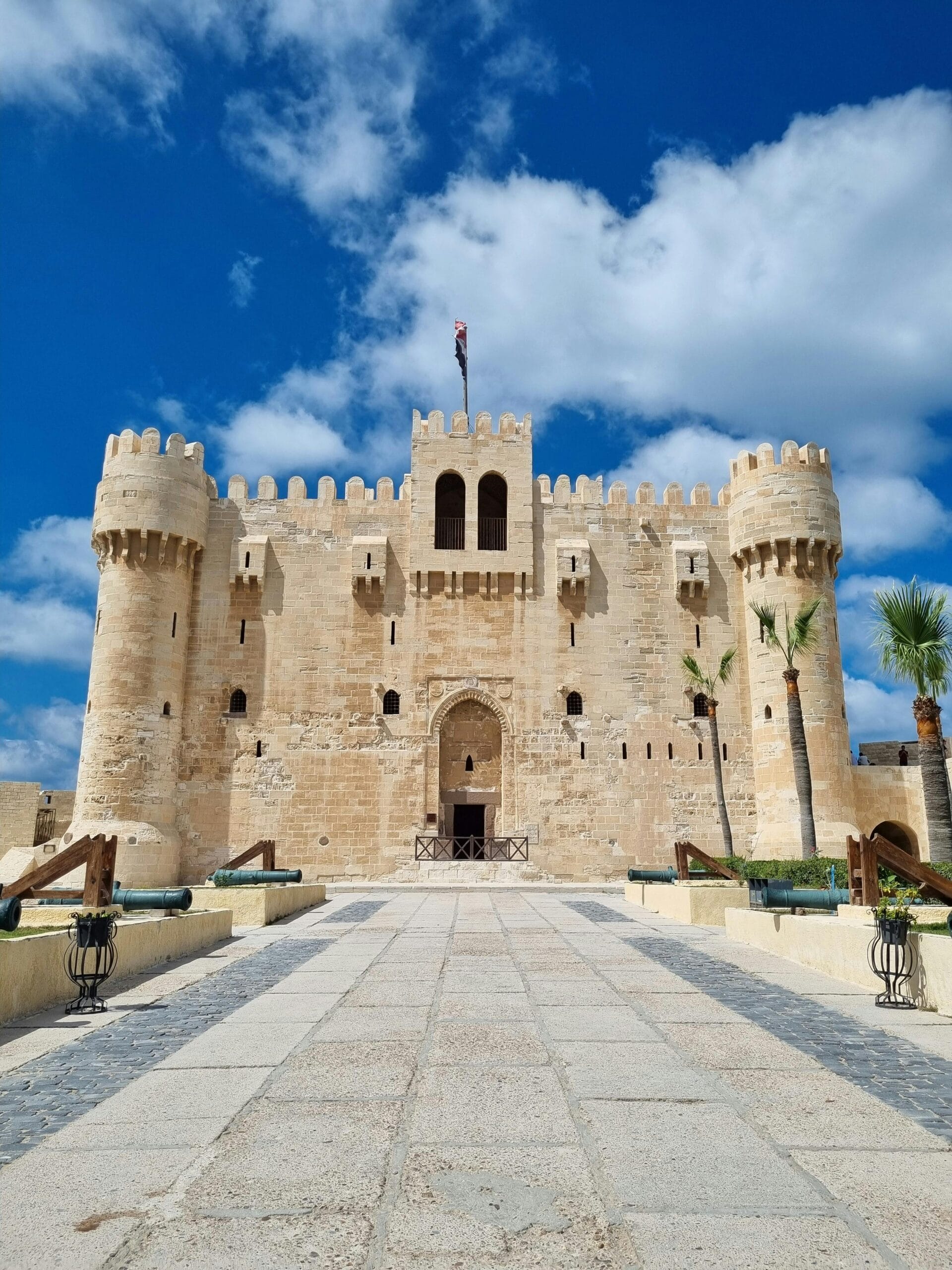
Discover the Citadel of Qaitbay, Alexandria's stunning medieval fortress perched on the Mediterranean coast. Built in 1477 by Sultan Al-Ashraf Qaitbay using stones from the collapsed Pharos Lighthouse, this architectural marvel connects ancient wonder with Islamic heritage. Explore the fortress walls, Naval Museum, and panoramic sea views while standing on the site of one of the Seven Wonders of the Ancient World.
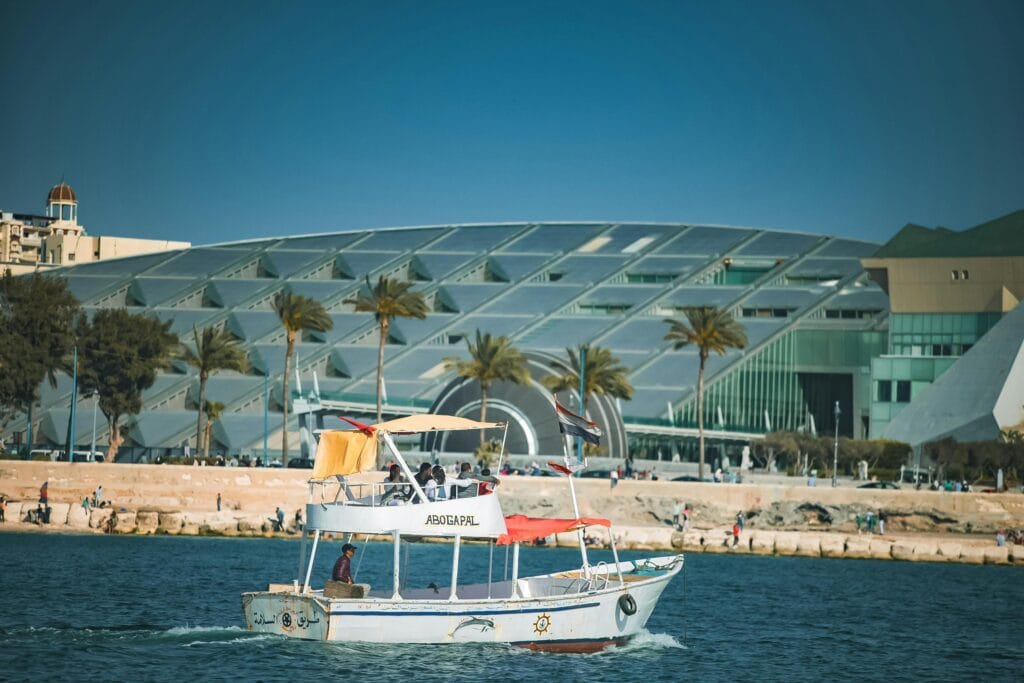
A striking modern library and cultural centre built on the shore of the Mediterranean as a tribute to the ancient Library of Alexandria. The circular building houses millions of books, four museums, a planetarium, and rotating exhibitions. The Antiquities Museum inside is one of the best small museums in Egypt.
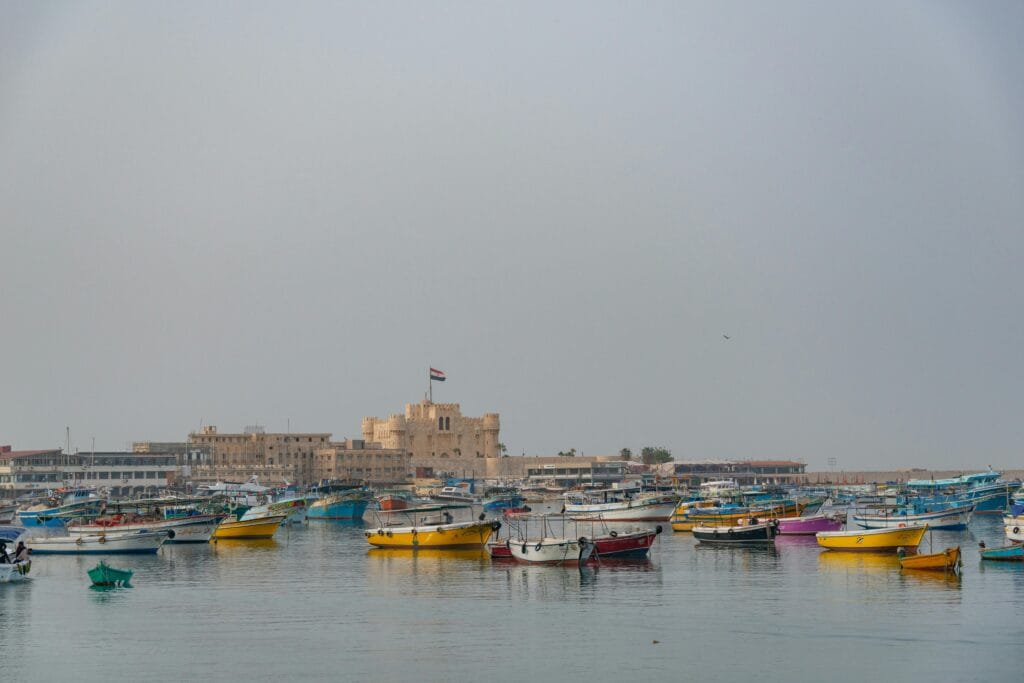
A 15th-century Mamluk fortress built by Sultan Al-Ashraf Qaitbay on the exact site of the ancient Lighthouse of Pharos. The citadel overlooks the Eastern Harbour and offers panoramic views of the Mediterranean. Inside, a small naval museum displays artefacts recovered from the harbour floor.
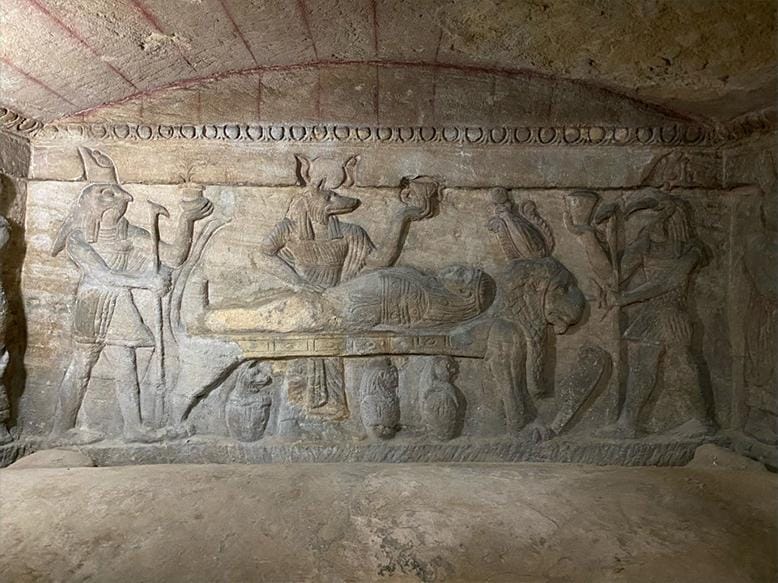
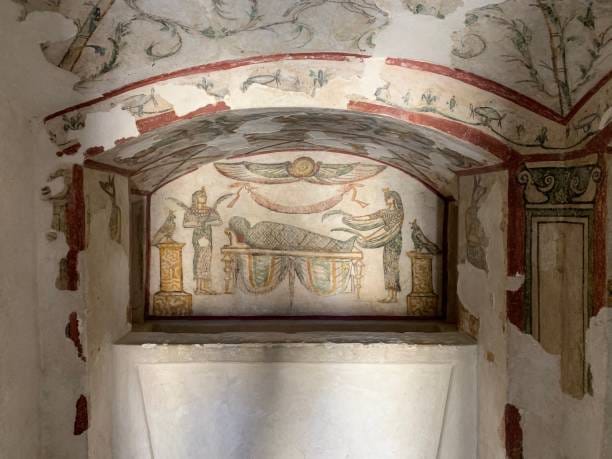
The largest known Roman burial site in Egypt, dating to the 2nd century CE. Three levels of tombs carved into rock blend Egyptian, Greek, and Roman artistic traditions in a way found nowhere else. The main triclinium and central shaft are particularly impressive.
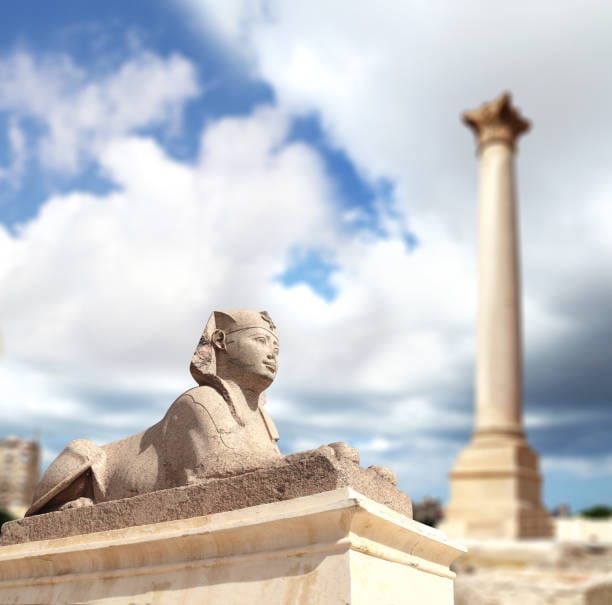
A towering 27-metre red granite column erected in honour of Emperor Diocletian in 297 CE. Despite its name, it has no connection to Pompey. It stands on the grounds of the ancient Serapeum, once home to a satellite collection of the Great Library.
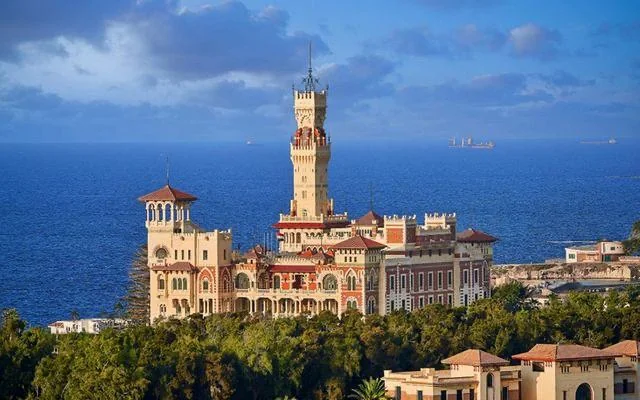
A sprawling royal estate on the eastern edge of Alexandria, originally built as a summer residence for Khedive Abbas II. The palace itself is not open to visitors, but the surrounding gardens, beaches, and coastal walkways make it one of the city's most popular green spaces.
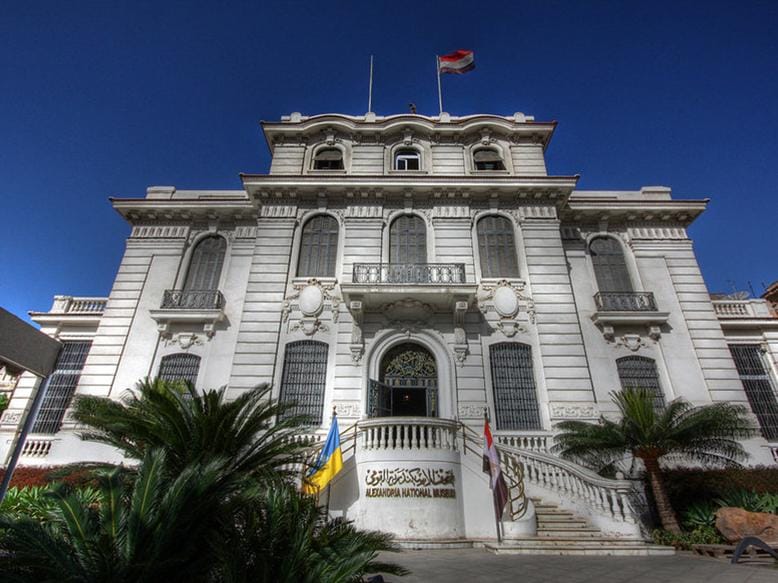
Housed in an elegant restored Italian-style villa, this museum presents Alexandria's history chronologically from the pharaonic era through the Greek, Roman, Coptic, and Islamic periods. The underground level displays artefacts recovered from underwater excavations in the harbour.
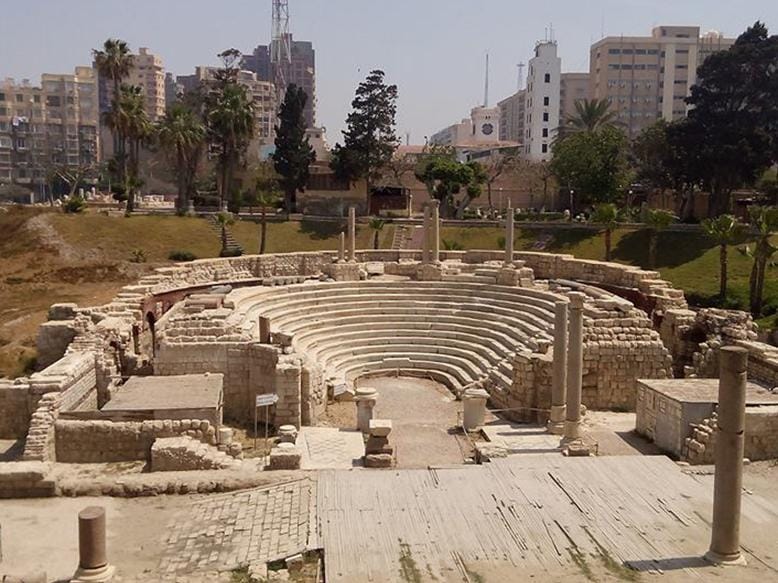
The only Roman amphitheatre discovered in Egypt, complete with marble seating for around 600 spectators. Adjacent excavations have uncovered a Roman bath complex, lecture halls, and residential areas from the ancient university district.
March to October is the sweet spot for Alexandria. The city enjoys a Mediterranean climate that makes it notably cooler than Cairo year-round, with sea breezes keeping summer temperatures pleasant and winters that are mild but occasionally rainy. Unlike Upper Egypt, Alexandria works well as a summer destination.
June to September
★★★ Ideal
Warm Mediterranean weather with temperatures between 25 and 32 degrees and consistent sea breezes along the coast. This is when Egyptians flock to Alexandria for beach holidays, so the corniche and Montazah are lively. Book seafood restaurants early on weekends. The beaches are at their best and the long daylight hours give you plenty of time for sightseeing and waterfront strolls.
March to May
★★ Good
Comfortable temperatures between 18 and 28 degrees with fewer crowds. Spring can bring occasional light rain in March but is otherwise pleasant. October and November offer beautiful golden light over the harbour and thinner tourist numbers at the Bibliotheca and Catacombs. Excellent value on hotels and one of the best periods to combine Alexandria with a broader Egypt itinerary.
December to February
★ Cold
Cool and sometimes rainy by Egyptian standards, with temperatures around 12 to 18 degrees. Alexandria gets more rainfall than anywhere else in Egypt during these months. Indoor attractions like the Bibliotheca Alexandrina, the Catacombs, and the Alexandria National Museum are ideal wet-weather options. Hotel rates are low and the city has a quieter, more local atmosphere. Pack a jacket and an umbrella.
Alexandria is about 2.5 hours from Cairo by private car along the Desert Road, or roughly 2.5 hours by train from Ramses Station. The train is comfortable, especially first class, and drops you at Misr Station in the heart of the city. All Empire Travel tours to Alexandria include private AC transport with driver, so you can relax and enjoy the ride.
The corniche is walkable and connects most of the major sites along the waterfront. For sites further apart like Montazah Gardens or Pompey’s Pillar, taxis and ride-hailing apps (Uber, Careem) work well and are inexpensive. The city’s vintage tram system still runs along some routes and is a charming way to travel short distances, though it is slow.
Visit the Catacombs of Kom el Shoqafa first thing in the morning before tour groups arrive. The Bibliotheca Alexandrina is best on a weekday morning when the reading halls are quiet. Save the Citadel of Qaitbay for late afternoon when the light over the harbour is at its warmest. The corniche comes alive after sunset with families, street food vendors, and the smell of grilled corn.
Alexandria is considerably cooler than Cairo and dramatically cooler than Upper Egypt. Summer is pleasant with sea breezes, but winter can be genuinely chilly with occasional rain. Pack layers if visiting between November and March. Even in summer, evenings by the water can feel cool.
Alexandria is Egypt’s seafood capital. The best restaurants are along the Eastern Harbour near the Citadel, not the chain restaurants on the main corniche stretch. Grilled sea bass (Samak Mashwi), fried calamari, and shrimp tagine are the local specialities. The Alexandrian liver sandwich is also a beloved street food worth trying. Restaurants fill up quickly on Fridays and holidays.
For visitors with an extra day, the El Alamein Commonwealth War Cemetery and military museum lie about two hours west along the coast. The cemetery is one of the most moving World War II memorial sites in North Africa and makes a worthwhile half-day addition. Empire Travel can include this as part of a combined Alexandria itinerary.
Outdoor sites like the Citadel, Pompey’s Pillar, and the corniche are all photography-friendly. Inside the Bibliotheca and museums, check signage as rules vary by exhibition. The best photo opportunities are the Citadel at golden hour, the Bibliotheca’s exterior reflecting off the water, and the harbour view from the fortress walls.
The most comfortable option is a private car with driver, which takes about 2.5 hours. Trains run regularly from Cairo’s Ramses Station and take roughly 2.5 hours as well. All Empire Travel tours to Alexandria include private AC transport.
A full day trip covers the main highlights comfortably. However, staying overnight lets you enjoy the corniche at sunset, try the seafood restaurants without rushing, and add El Alamein or Montazah to your itinerary.
Alexandria is known for its Greco-Roman heritage, the modern Bibliotheca Alexandrina, Mediterranean seafood, and a coastal atmosphere that feels distinctly different from the rest of Egypt.
Yes. Alexandria is one of Egypt’s safest major cities for visitors. Tourist areas along the corniche, around the Bibliotheca, and at the major archaeological sites are well maintained and regularly patrolled.
Founded by Alexander the Great in 331 BC, Alexandria became one of the most important cities of the ancient world and home to the legendary Library of Alexandria and the Lighthouse of Pharos, one of the Seven Wonders of the Ancient World.
Alexandria is famous for its Mediterranean seafood, including grilled fish, shrimp, calamari, and traditional Egyptian seafood dishes served in restaurants along the Corniche.
The ancient Lighthouse of Pharos, one of the Seven Wonders of the Ancient World, was destroyed by earthquakes between the 12th and 14th centuries. The Citadel of Qaitbay was later built on the same site using stones from the lighthouse ruins.
Yes. Alexandria is often combined with visits to Cairo, the Pyramids of Giza, Luxor, Aswan, and Nile cruises as part of longer Egypt travel itineraries.