Region
Lower Egypt
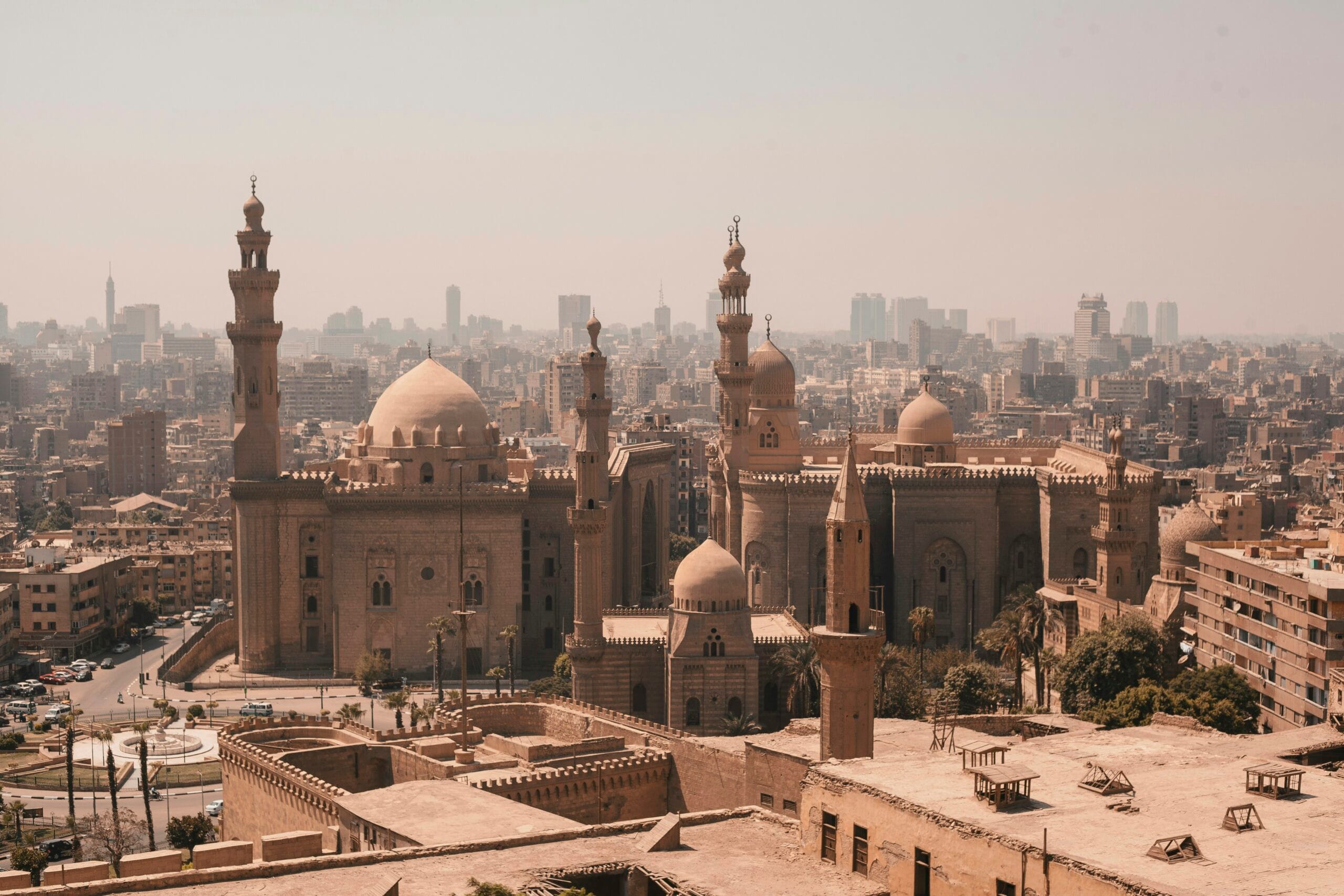
Egypt's sprawling capital where 5,000 years of history meet vibrant modern culture. Home to the Pyramids of Giza, the Grand Egyptian Museum, and one of the most dynamic cities in the Middle East.
Plan My Cairo Trip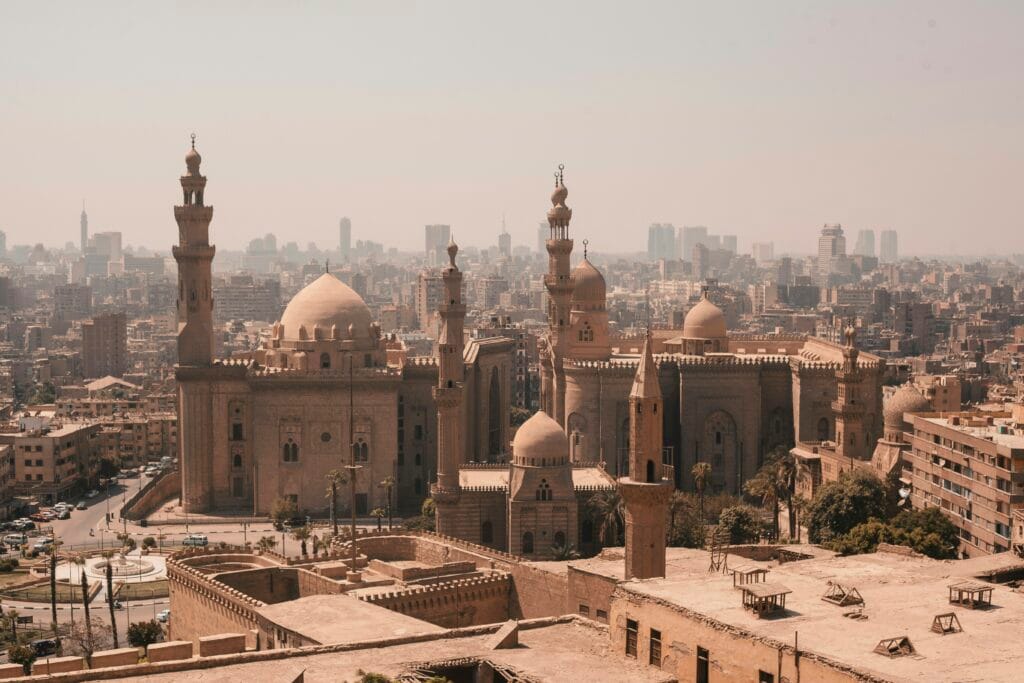
Lower Egypt
October – April
22°C / 72°F
Cairo International Airport (CAI) – direct flights worldwide
3-5 days
Cairo is one of the most energetic and historically significant cities in the world. Home to over 20 million people, Egypt’s capital sits where the Nile Delta begins, sprawling across both banks of the river in a vibrant collision of ancient heritage and modern ambition.
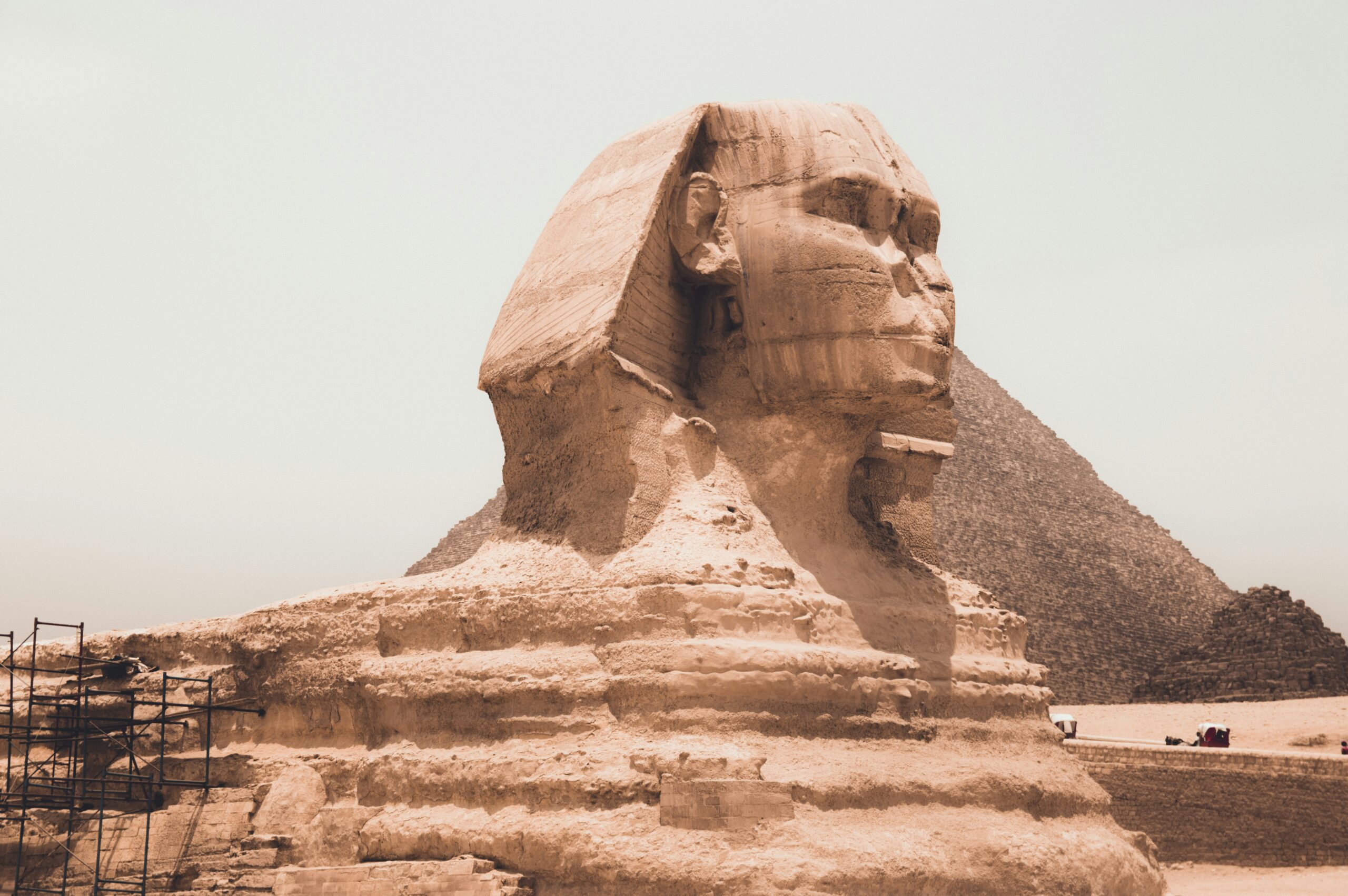
The Pyramids of Giza stand at the city’s western edge, the last surviving Wonder of the Ancient World, visible from rooftops across the city. Just steps away, the brand-new Grand Egyptian Museum now showcases the largest collection of pharaonic artifacts ever assembled, including the complete treasures of Tutankhamun displayed together for the first time.
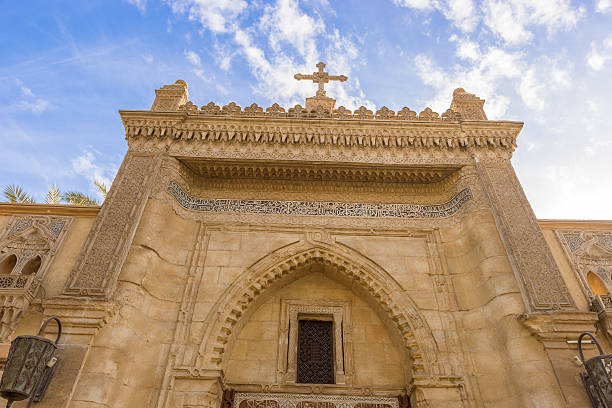
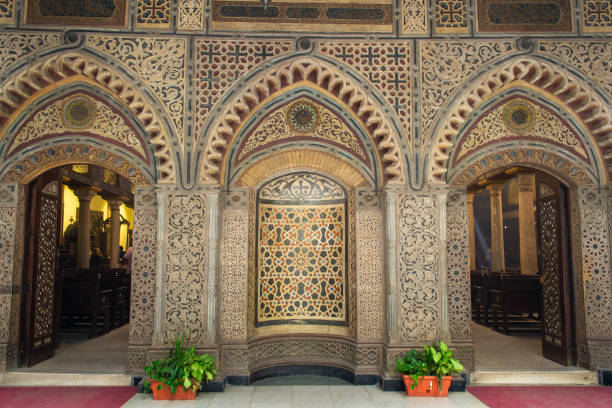
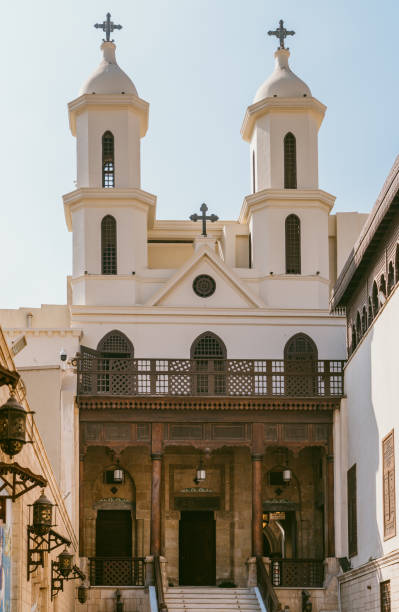
But Cairo is far more than its monuments. The medieval streets of Islamic Cairo wind past centuries-old mosques, madrasas, and caravanserais. Coptic Cairo holds some of the oldest churches in Christianity. The Khan El Khalili bazaar has been a center of trade since the 14th century. And the modern city pulses with rooftop cafes overlooking the Nile, a street food scene that rivals any in the Middle East, and a creative energy that surprises every first-time visitor.
Whether you have one day or one week, Cairo rewards every moment spent exploring its layers, from 4,500-year-old tombs to last night’s freshly baked baladi bread.
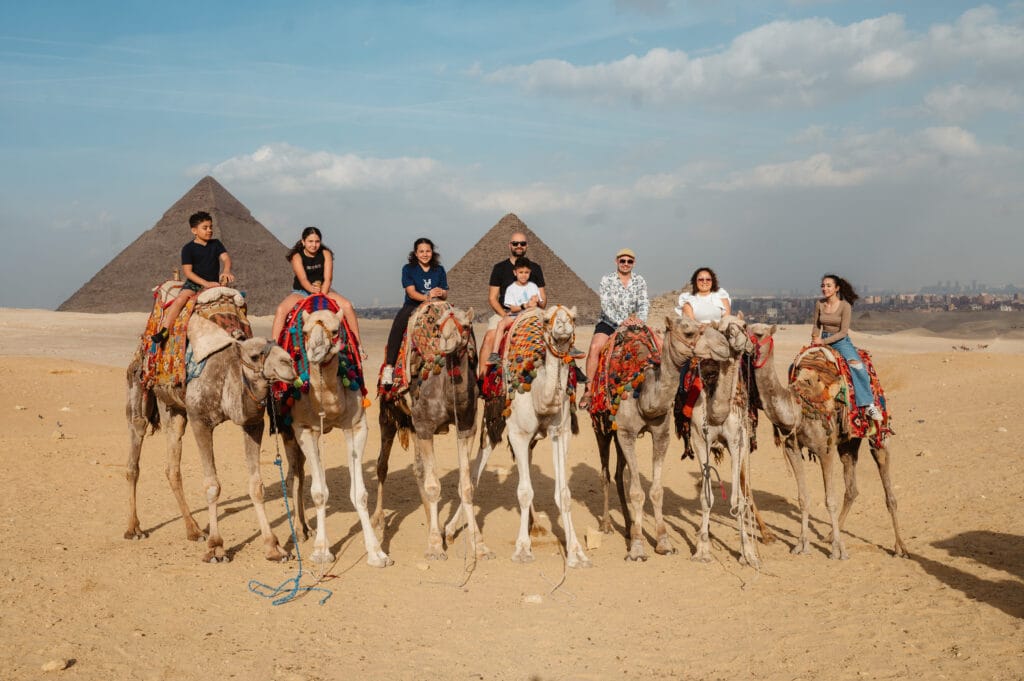
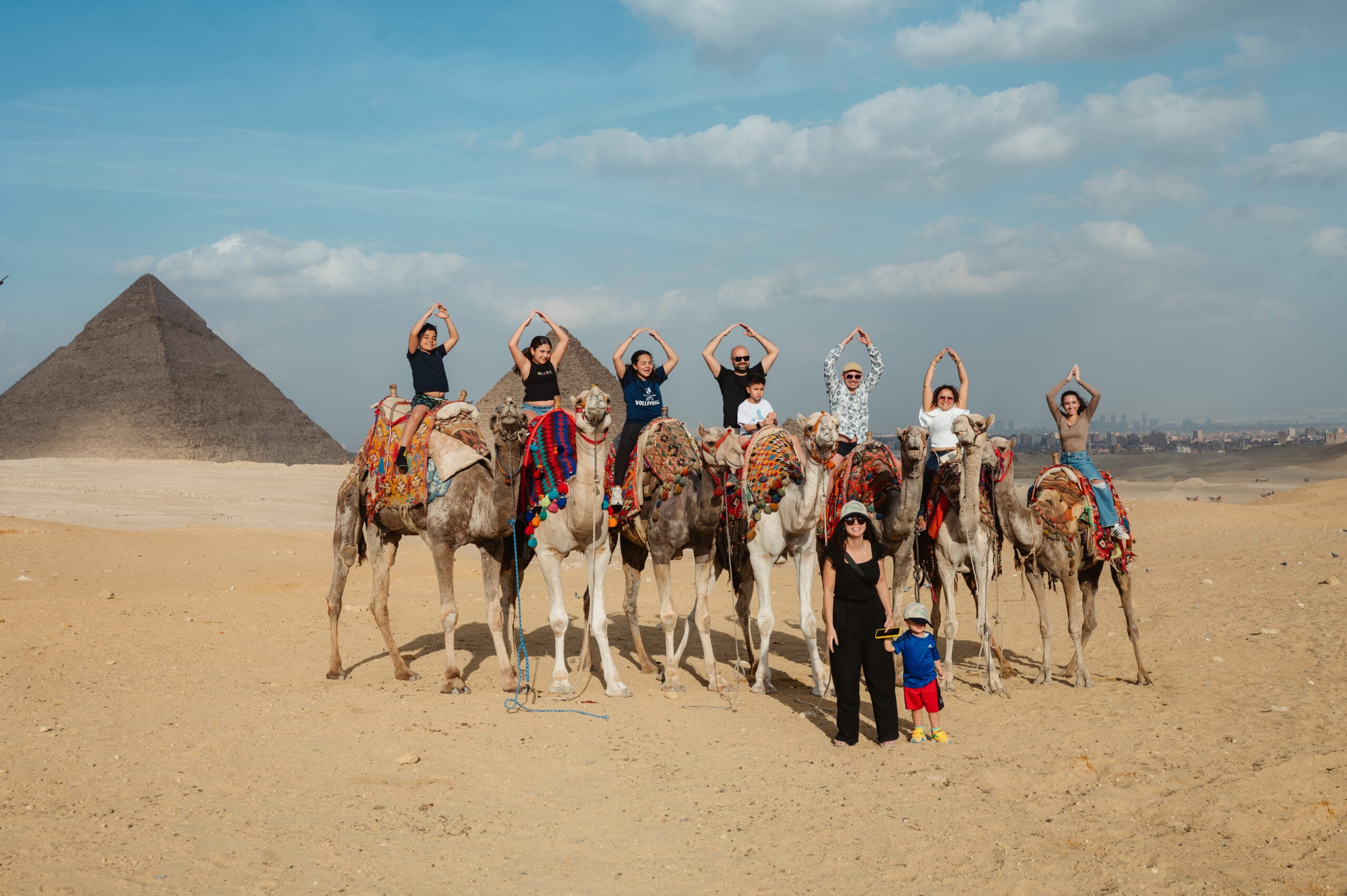
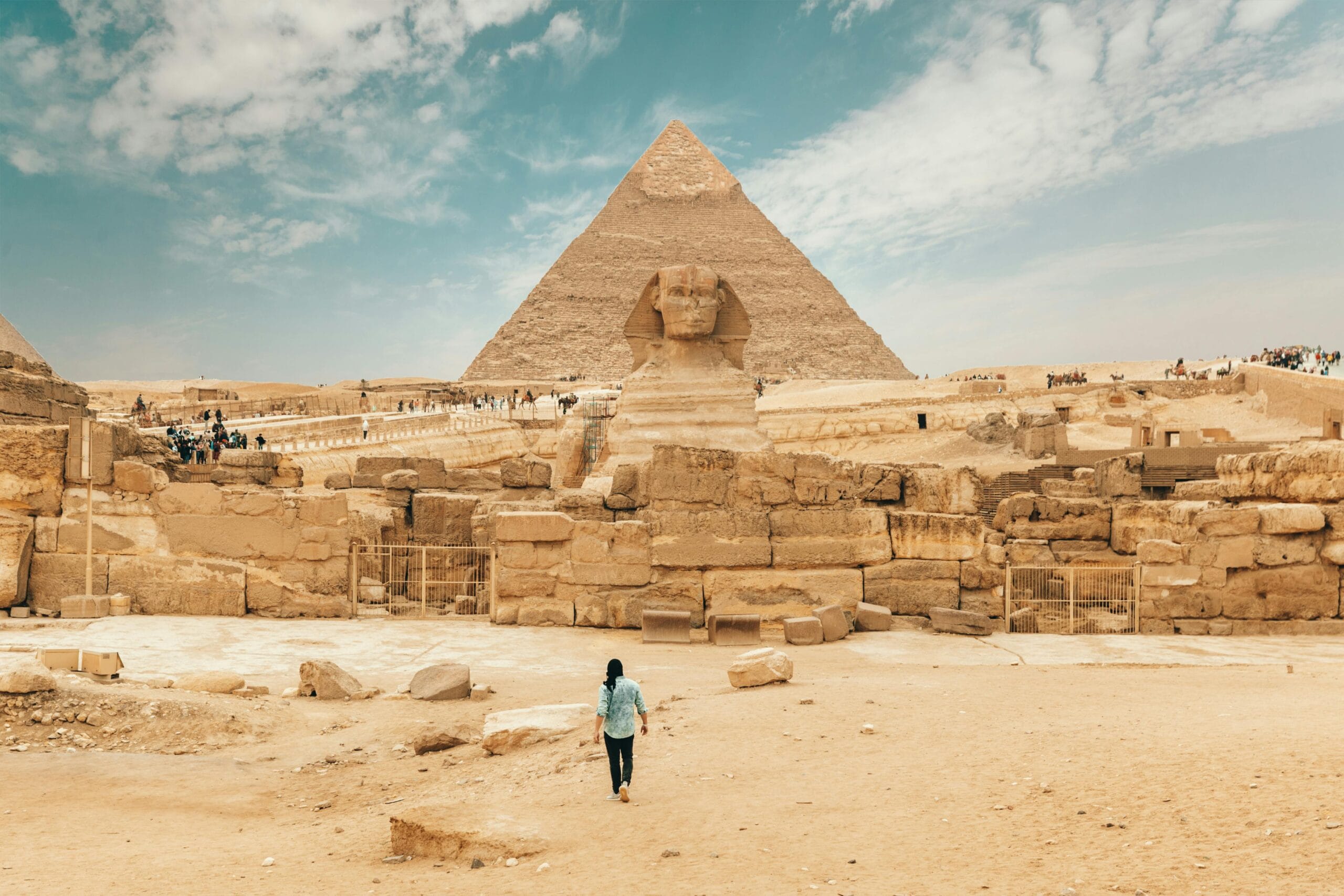
The Pyramids of Giza are the last surviving Wonder of the Ancient World, built as elaborate royal tombs during Egypt's Fourth Dynasty (c. 2580-2510 BC). Located on the Giza Plateau near Cairo, this UNESCO World Heritage Site features three main pyramids, the Great Sphinx, and numerous smaller monuments showcasing ancient Egyptian architectural mastery.
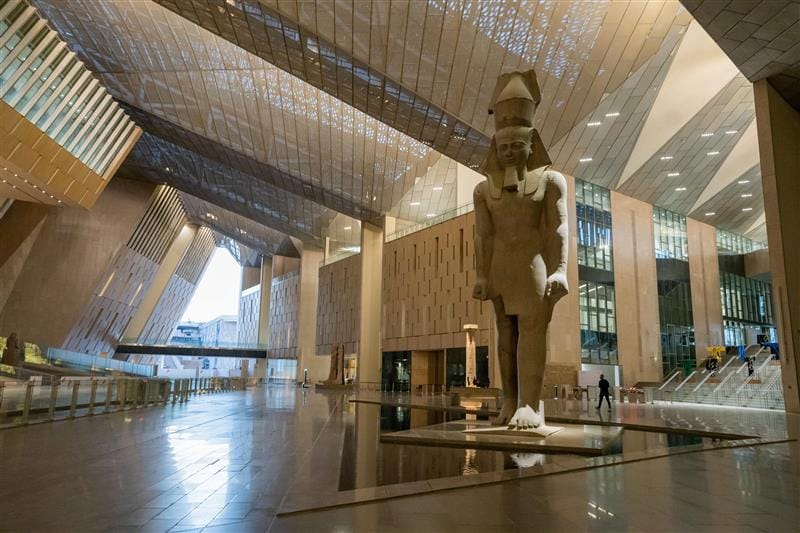
Historic Opening Marks Culmination of Three-Decade Journey.The Grand Egyptian Museum (GEM) officially opens on November 1, 2025, marking the completion of a project first announced in 1992. Located approximately two kilometers from the Giza Pyramid Complex, the museum will welcome the public starting November 4, 2025, following an exclusive opening ceremony for world leaders and dignitaries.
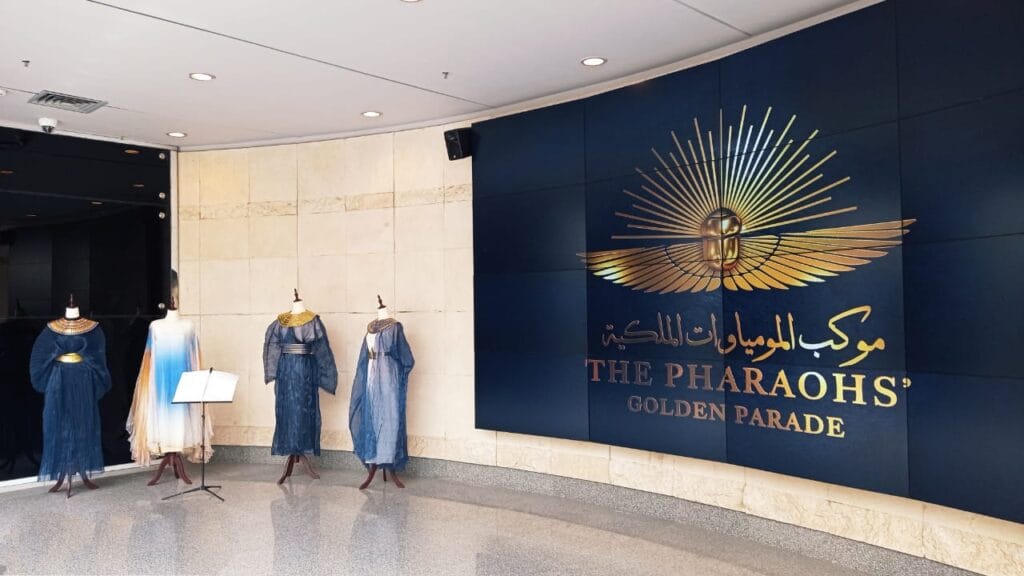
Located in Old Cairo (El-Fustat), NMEC presents an all-encompassing view of Egypt’s civilisation from prehistoric times to the modern era. It’s a must-visit for travellers seeking to connect with Egypt’s full story.
Beat the crowds and the heat by arriving at the Giza Plateau when the gates open. The morning light bathes the limestone in warm gold, and you'll have space to take in the sheer scale before the tour buses arrive. Don't miss the panoramic viewpoint behind the pyramids for the classic three-pyramid photo.
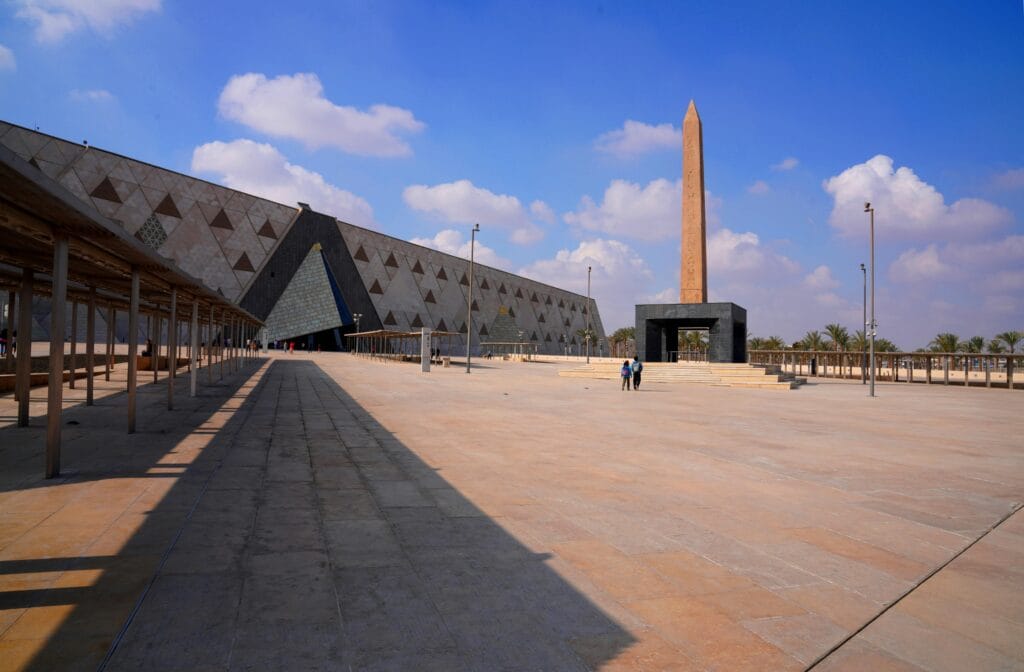
The world's largest archaeological museum deserves an unhurried visit. The complete Tutankhamun collection alone takes 2 hours. The Grand Staircase, with its massive Ramesses II statue, and the galleries covering 5,000 years of civilization will leave you speechless. Air-conditioned - perfect for a hot afternoon.
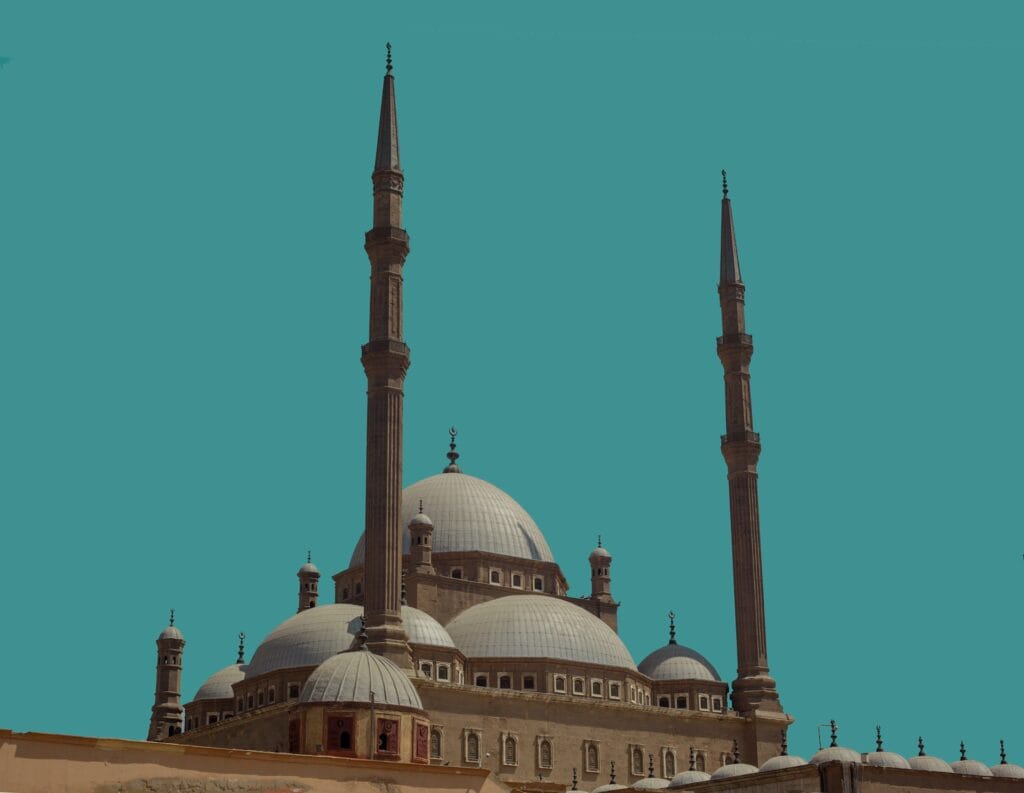
Walk Al-Muizz Street, one of the oldest streets in Cairo, lined with stunning Mamluk and Fatimid architecture. Visit the Sultan Hassan Mosque, Al-Azhar Mosque, and the towering Bab Zuweila gate. The atmosphere here transports you back centuries, with artisan workshops and spice vendors lining every alley.
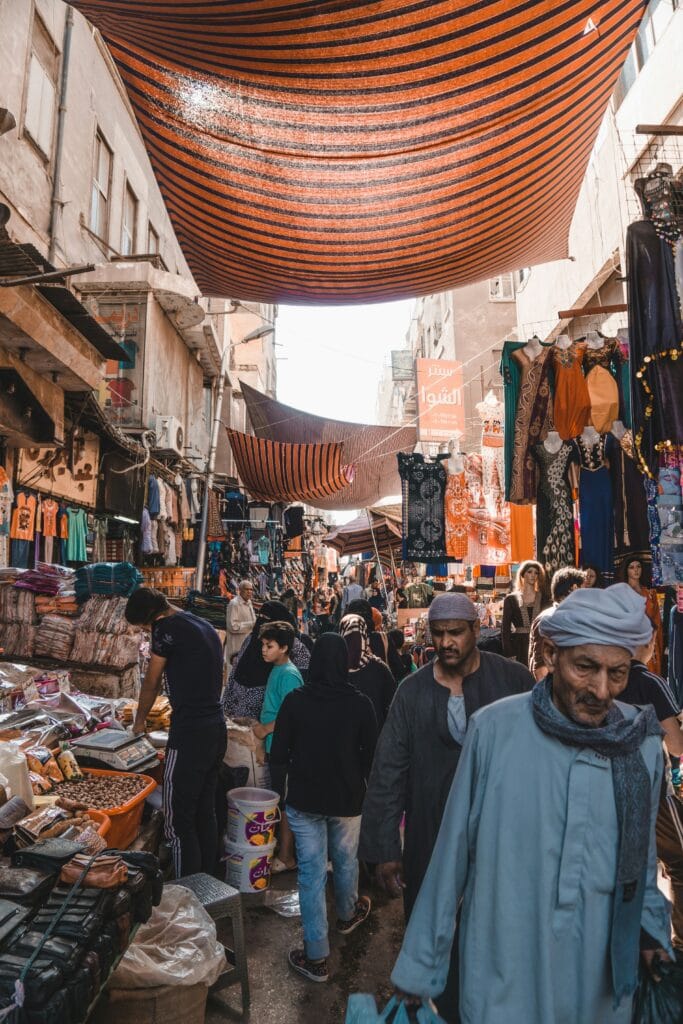
Cairo's legendary 14th-century bazaar is a sensory overload of brass lanterns, handwoven textiles, aromatic spices, and silver jewelry. Negotiate over mint tea, discover hidden courtyards, and end your visit at the famous El Fishawy Café — serving coffee since 1773.
Board a traditional wooden felucca from the Corniche and drift along the Nile as the sun sets behind the Cairo skyline. The city looks completely different from the water — calmer, more beautiful, and impossibly photogenic. Rides last about an hour and are one of Cairo's most peaceful experiences.
Just 30 minutes south of central Cairo, Saqqara is home to the Step Pyramid of Djoser — the oldest large-scale stone structure on earth, built 4,700 years ago. Recent excavations have uncovered stunning painted tombs that were sealed for millennia. Combine with nearby Memphis for a full day of pre-Giza history.
Board a floating restaurant for an evening of Egyptian cuisine, live Oriental music, and traditional belly dancing as Cairo's illuminated skyline glides past your table. Most cruises depart from the Corniche near Zamalek and last around 2 hours. A memorable way to end any day in Cairo.
Cairo's street food is some of the best and cheapest in the world. Try koshari (Egypt's national dish of rice, lentils, and pasta), ful medames (slow-cooked fava beans), ta'ameya (Egyptian falafel made from fava beans, not chickpeas), and freshly pressed sugar cane juice from any street vendor. Downtown Cairo and Zamalek are the best areas for food exploration.
Cairo is a year-round destination, but October to April offers the most comfortable temperatures for sightseeing. Summers are hot but manageable with air-conditioned transport and indoor attractions like the Grand Egyptian Museum.
October – February
★★★ Ideal
The most comfortable period for outdoor sightseeing. Daytime temperatures range from 15 to 25°C with cool, pleasant evenings. This is the busiest tourist season - book hotels and guides in advance, especially around Christmas and New Year. Perfect for full-day Pyramids and Saqqara visits.
March – May
★★ Good
Warming up with temperatures between 22 and 32°C. Fewer crowds and better hotel rates. March and April can bring the Khamsin - a hot desert wind carrying sand that occasionally reduces visibility for a day or two. Despite this, spring is one of the best value periods to visit Cairo.
June – September
★ Hot
Temperatures regularly exceed 35–40°C. Outdoor sightseeing is uncomfortable, but Cairo remains viable if you start early (before 9 AM), use air-conditioned transport between sites, and prioritize indoor attractions like the Grand Egyptian Museum, NMEC, and the Egyptian Museum. Hotels offer their lowest rates.
Cairo’s traffic is legendary — plan generous time between attractions. An experienced local driver is essential for stress-free sightseeing. Uber and Careem are safe, affordable, and widely used for independent trips. The Cairo Metro is clean and efficient for certain routes (especially reaching Coptic Cairo at Mar Girgis station).
Most major sites open between 8 and 9 AM. Arriving at opening time beats both heat and crowds, especially at the Pyramids. Fridays are the Muslim day of rest — mosques are busiest during midday prayers, and some shops in Islamic Cairo may close until the afternoon.
Dress conservatively when visiting mosques — shoulders and knees should be covered for both men and women. Women may need to cover their hair at some mosques (scarves are sometimes provided at the entrance). At the Pyramids and Saqqara, wear comfortable closed-toe shoes — the terrain is sandy and uneven.</p>
Carry small Egyptian Pound notes (10, 20, 50 EGP) for tips and minor purchases. ATMs are widely available. Credit cards are accepted at hotels and upscale restaurants but not at bazaars, street vendors, or small shops. Tipping (baksheesh) is expected for most services.
Cairo’s tourist areas are well-secured with dedicated tourism police. Common-sense precautions apply: be aware of unsolicited “guides” at major sites, agree on taxi prices before getting in (or use Uber), and keep valuables secure in crowded areas like Khan El Khalili. Solo travelers, including women, generally report positive experiences when traveling with a reputable guide.
Carry water at all times, especially when walking outdoor sites. Bottled water is inexpensive and available everywhere. Avoid tap water, including for brushing teeth. The Egyptian sun is strong even in winter — apply sunscreen regularly.
We recommend 3 to 5 days. Three days covers the essentials: Pyramids and GEM (day 1), Islamic Cairo and Khan El Khalili (day 2), and Saqqara and Memphis or Coptic Cairo (day 3). Four to five days lets you add the NMEC, a Nile dinner cruise, an Alexandria day trip, and time for shopping and exploring at your own pace.
Yes. Cairo is visited by millions of international tourists every year. Major tourist areas have dedicated tourism police, and hotels employ their own security. Travel with a licensed tour operator like Empire Travel for the smoothest experience. Common-sense precautions apply, just as they would in any major world city.
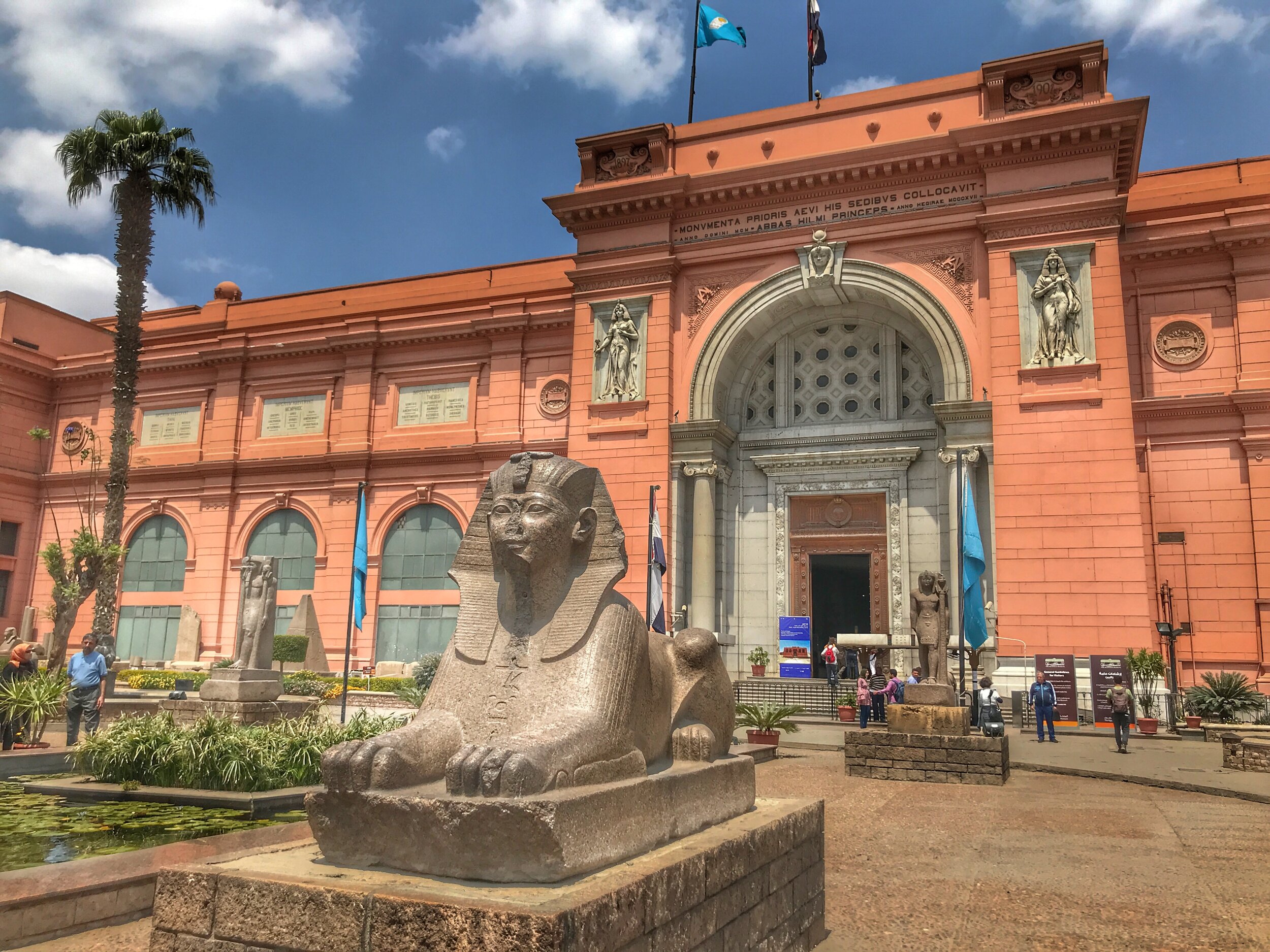
For first-time visitors, we recommend Giza (near the Pyramids for that iconic view from your hotel), Zamalek (an upscale island neighborhood with restaurants and Nile views), or Downtown Cairo (central, walkable, and close to the Egyptian Museum). For luxury, the Four Seasons Nile Plaza or Marriott Mena House are top choices.
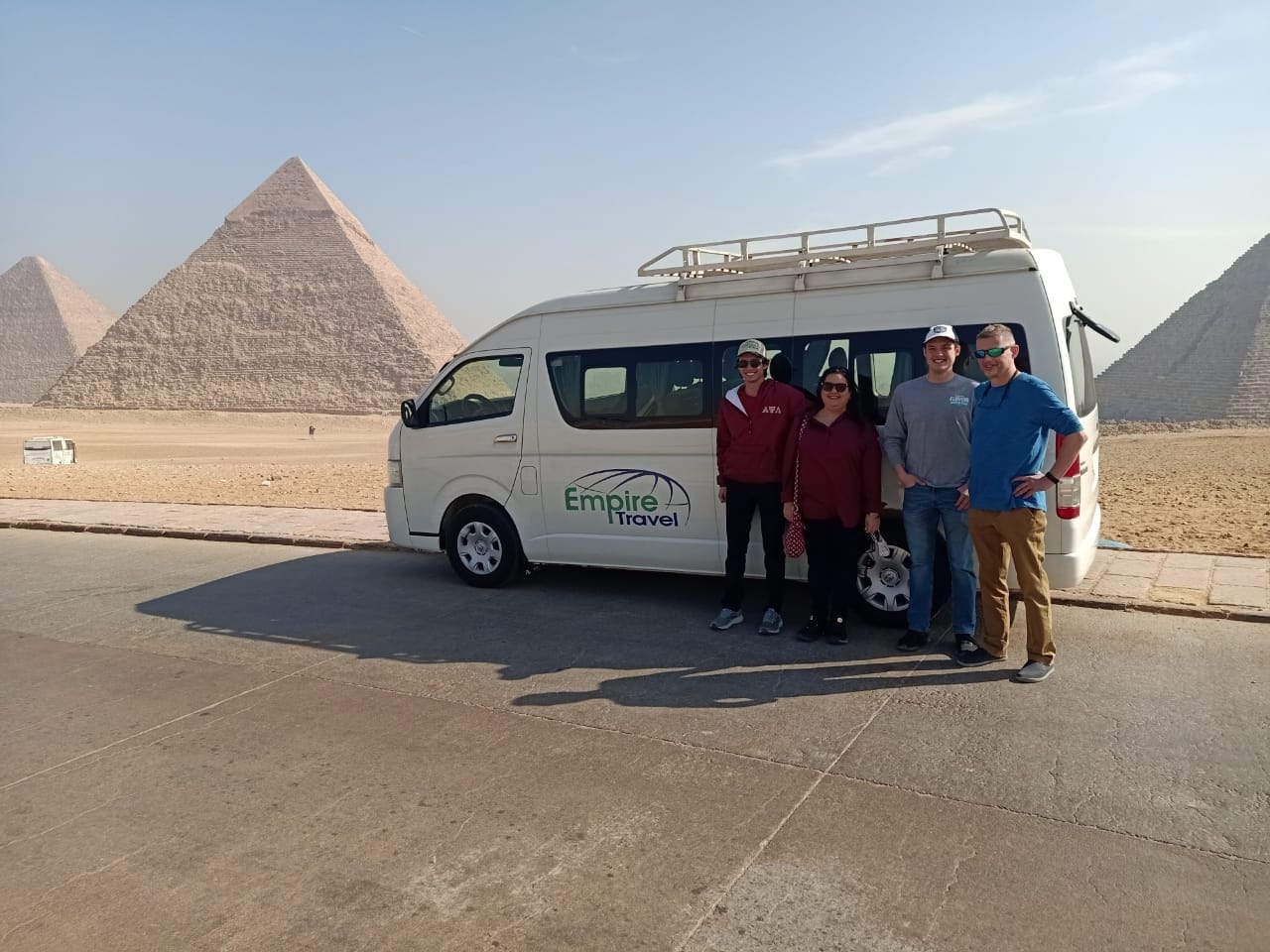
All Empire Travel packages include private airport transfers. If traveling independently, Uber and Careem are safe and affordable (150–250 EGP to central Cairo). Official airport taxis are also available. Avoid unmarked taxis. The drive takes 30 to 60 minutes depending on traffic.
Yes – they are adjacent to each other on the Giza Plateau. We recommend starting at the Pyramids early in the morning, then moving to the GEM after lunch. Allow at least 2 hours for the Pyramids area and 3 to 4 hours for the GEM. This is one of our most popular full-day tours.
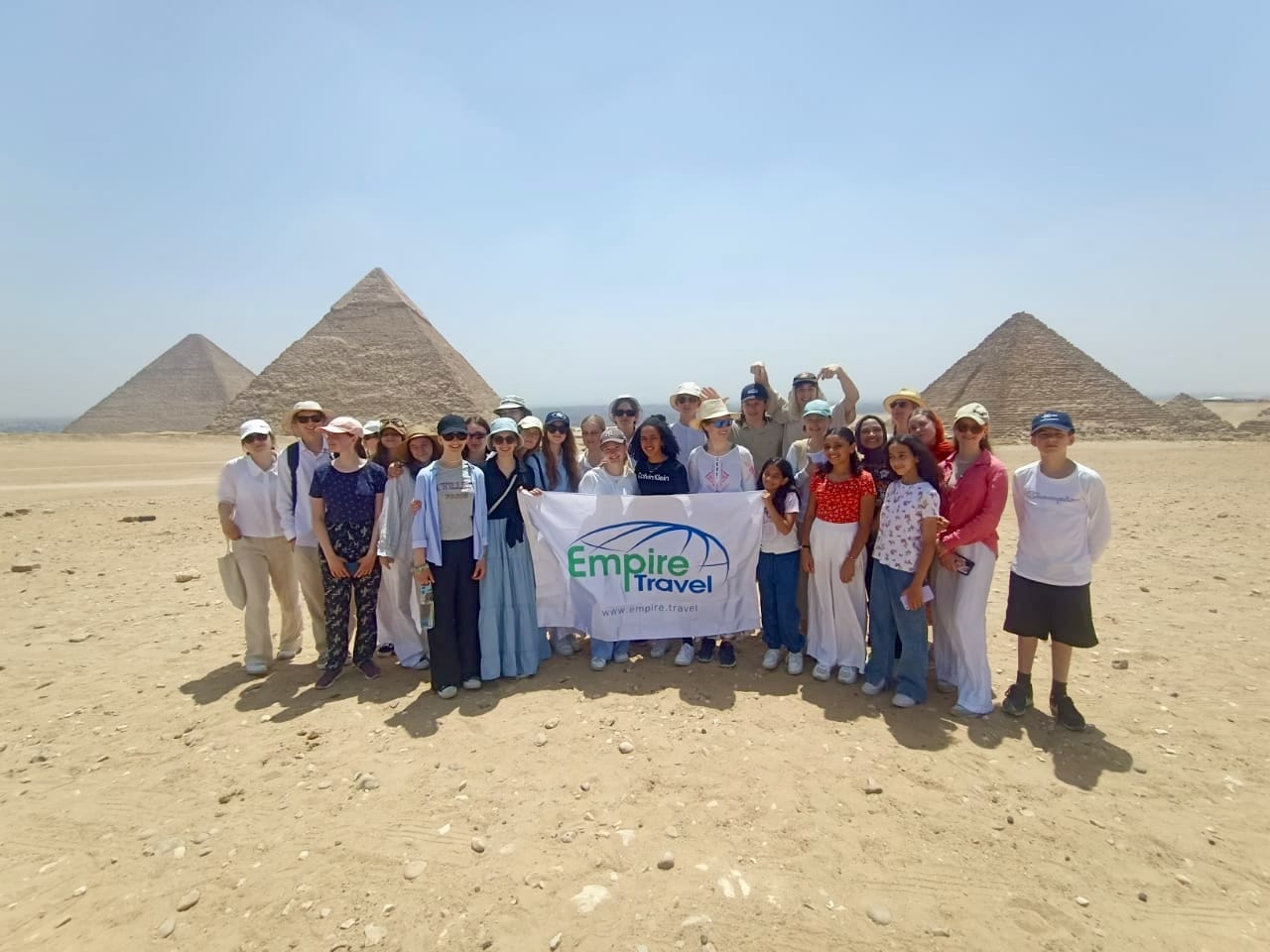
While you can explore independently, a licensed Egyptologist guide transforms the experience. The history behind the Pyramids, temples, and Islamic Cairo is complex and layered. A good guide brings the stories to life in ways no guidebook can. All Empire Travel tours include private licensed guides.
Uber and Careem make independent travel straightforward. The Cairo Metro is useful for specific routes (especially Coptic Cairo). However, driving yourself is not recommended – Cairo traffic requires local expertise. For a stress-free visit, a private car with driver is the best option and is included in all our packages.
Do not miss koshari (rice, lentils, pasta, and tomato sauce – Egypt’s national dish), ful medames (slow-cooked fava beans), ta’ameya (Egyptian falafel), shawarma, and fresh sugar cane juice. For fine dining, try the restaurants along the Nile in Zamalek or Maadi. Your Empire Travel guide can recommend the best local spots based on your preferences.