Region
Red Sea Governorate
Egypt's Red Sea playground on the western shore of one of the world's great diving destinations. Coral reefs, warm water year-round, dolphins, and a lively marina make Hurghada the perfect beach extension to any Egypt tour.
Plan My Hurghada Trip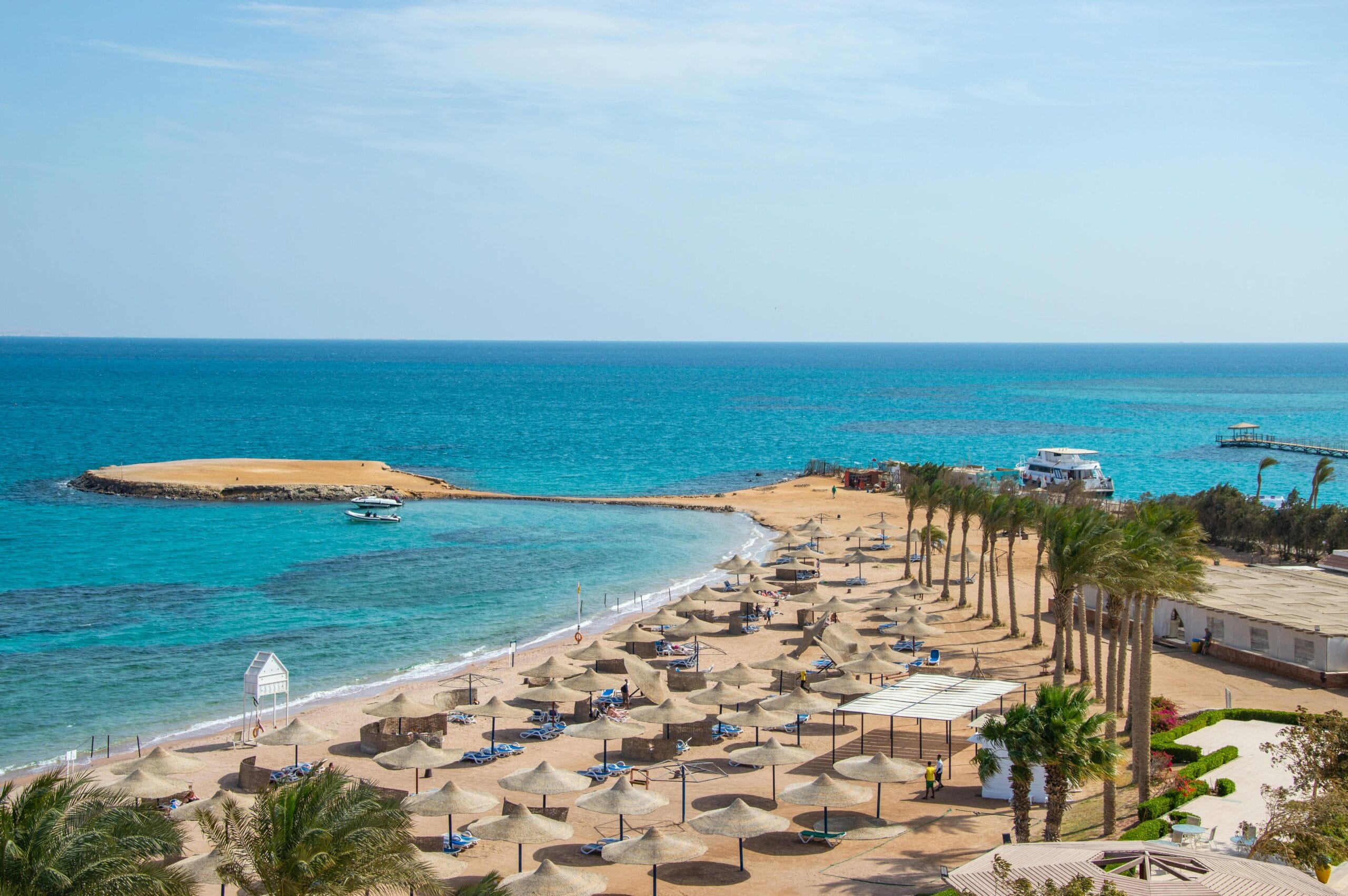
Red Sea Governorate
October – May
26°C / 79°F
1 hr flight from Cairo or 5–6 hr drive
3–5 days
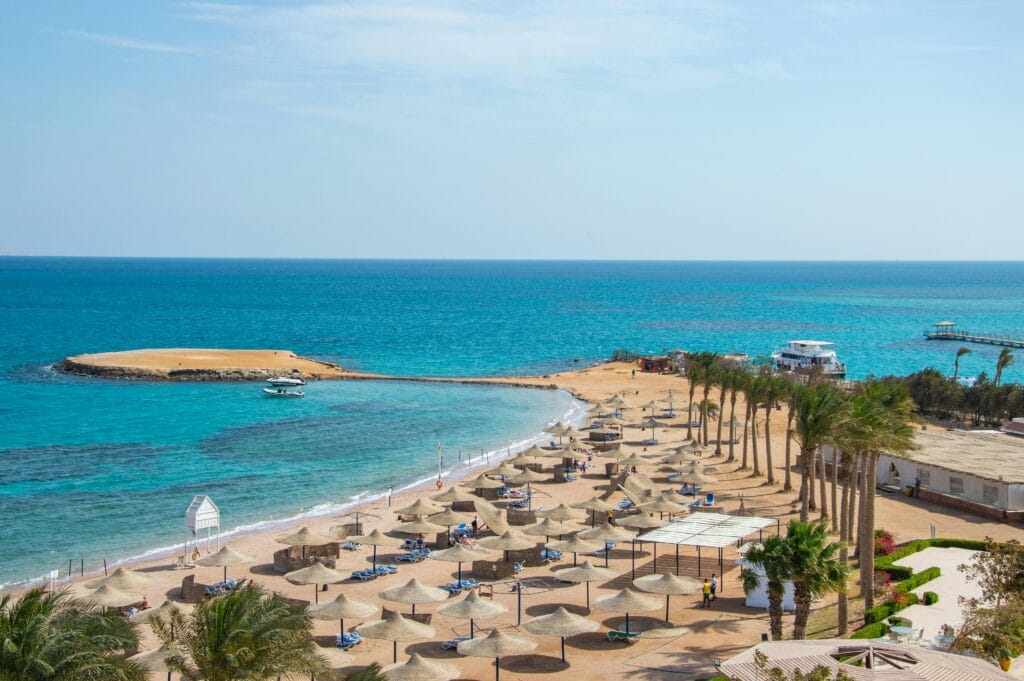
Hurghada stretches for nearly 40 kilometres along Egypt’s western Red Sea coast. Four decades ago it was a small fishing settlement. Today it is the country’s most visited beach destination and one of the premier diving locations on earth, drawing visitors from across Europe, Russia, and the Arab world for its warm clear water, extraordinary marine life, and long sunny days throughout the year.
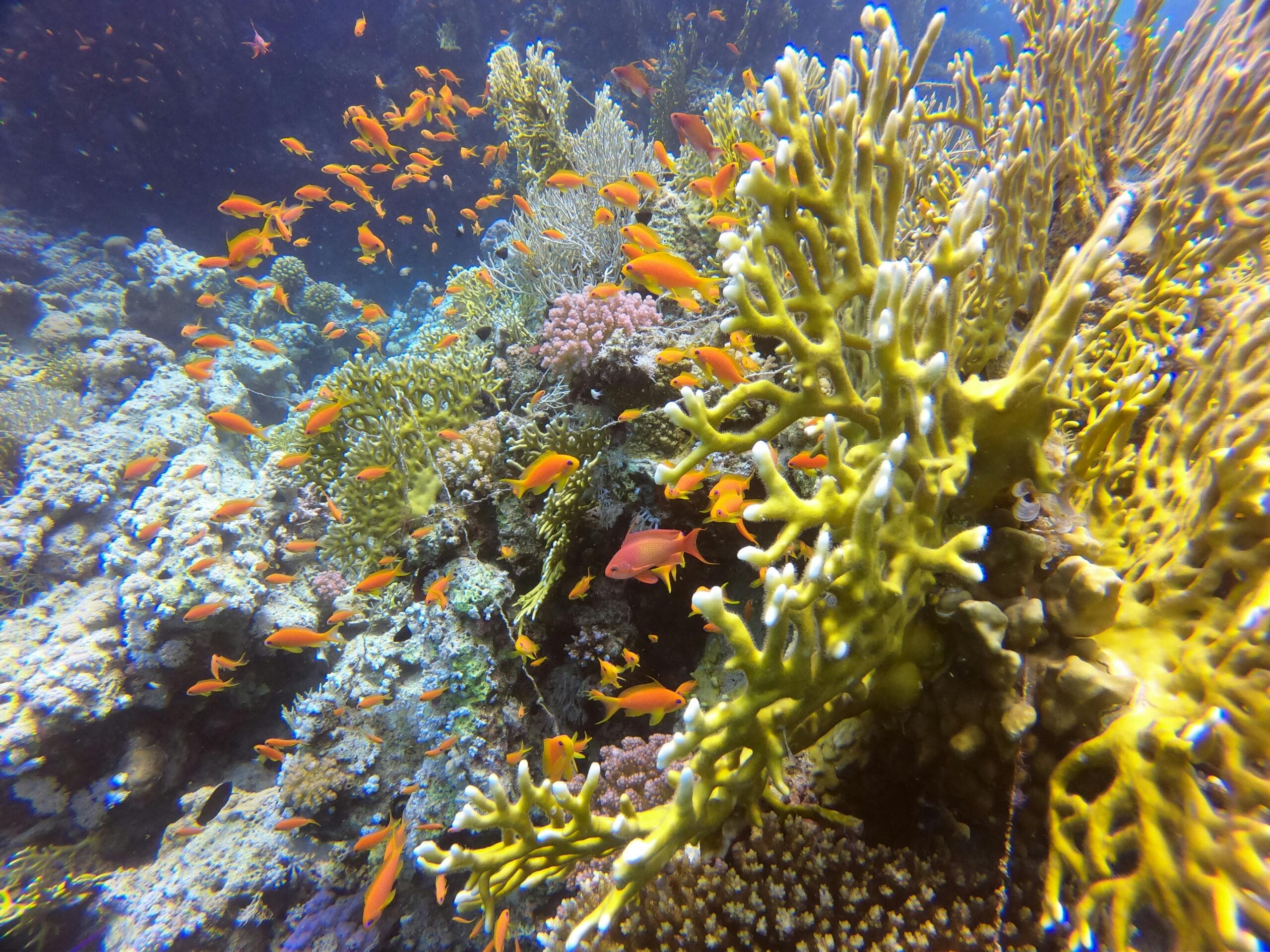
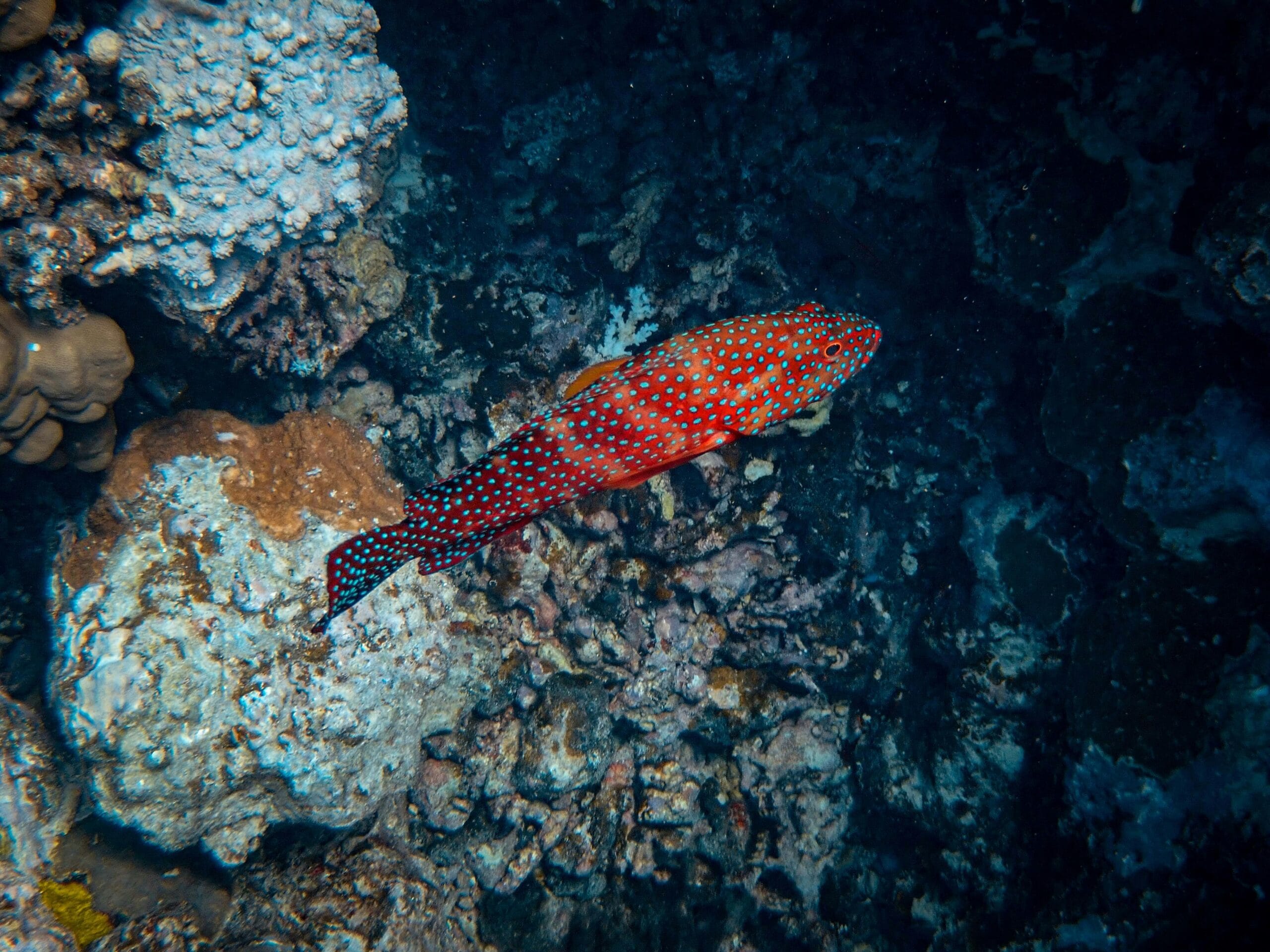
The underwater world here is the main event. Coral gardens in near-perfect condition surround the protected Giftun Islands just offshore, and the visibility regularly exceeds 25 to 30 metres. Dolphins, sea turtles, reef sharks, and thousands of species of reef fish are encountered on a typical day trip. For certified divers, the wider southern Red Sea offers some of the most celebrated wreck and wall diving anywhere in the world, including the SS Thistlegorm, a World War II cargo ship that is consistently ranked among the top dive wrecks globally.
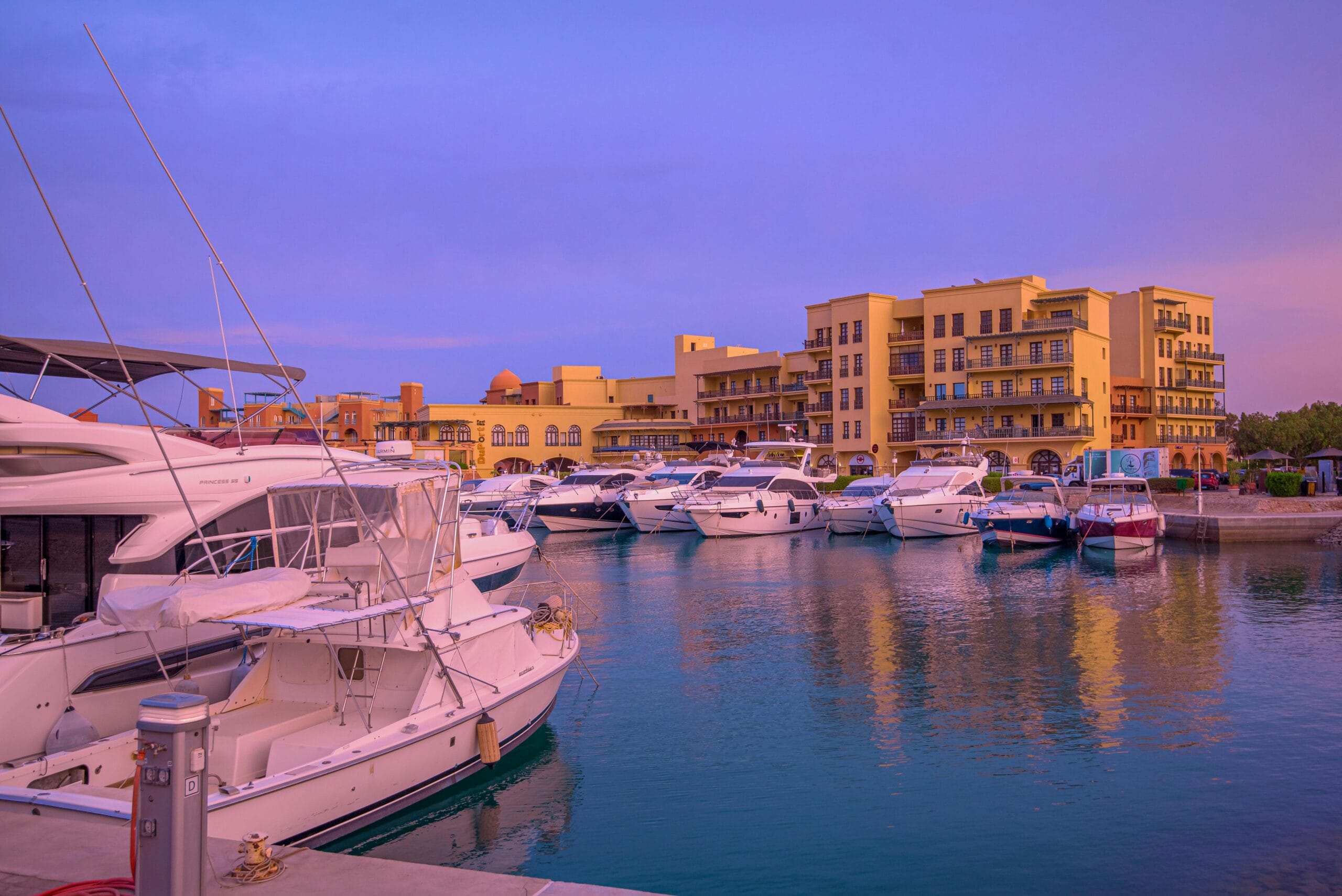
Above the surface, Hurghada offers a different rhythm from Cairo or Upper Egypt. The evenings are long and warm, the marina promenade fills with restaurants and cafes, and the desert hills that rise directly behind the resort strip create a dramatic backdrop to a coastline that manages to feel simultaneously remote and well-equipped.
Hurghada connects seamlessly into a broader Egypt itinerary. One-hour domestic flights from Cairo and Luxor make it a natural finale to a cultural tour, and Empire Travel regularly builds itineraries that combine three or four nights here with a Nile cruise or classic Cairo and Luxor programme.
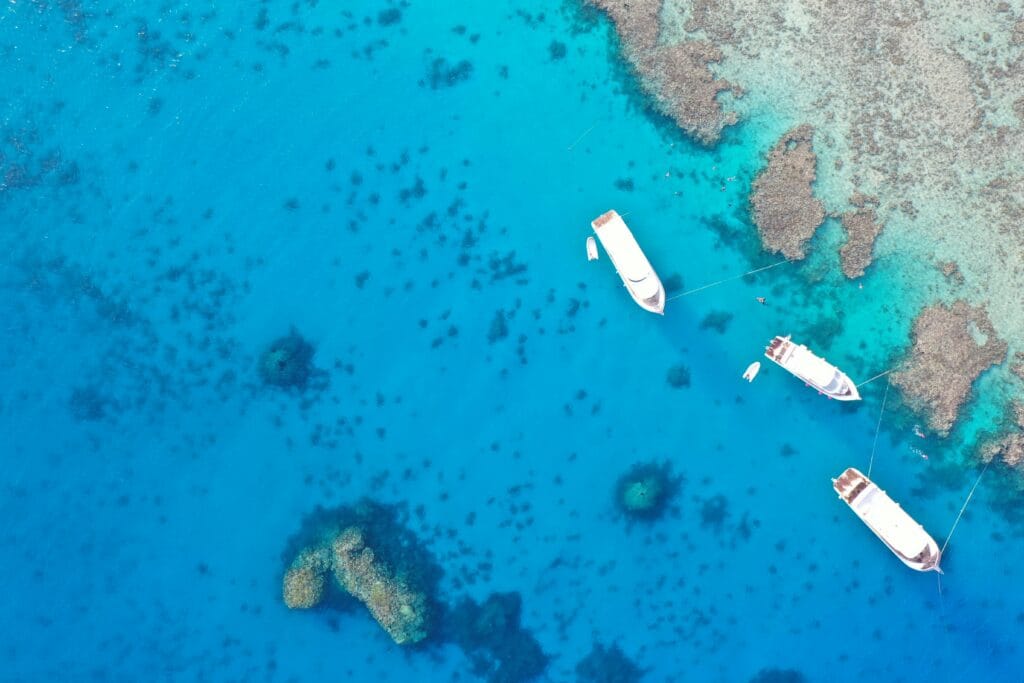
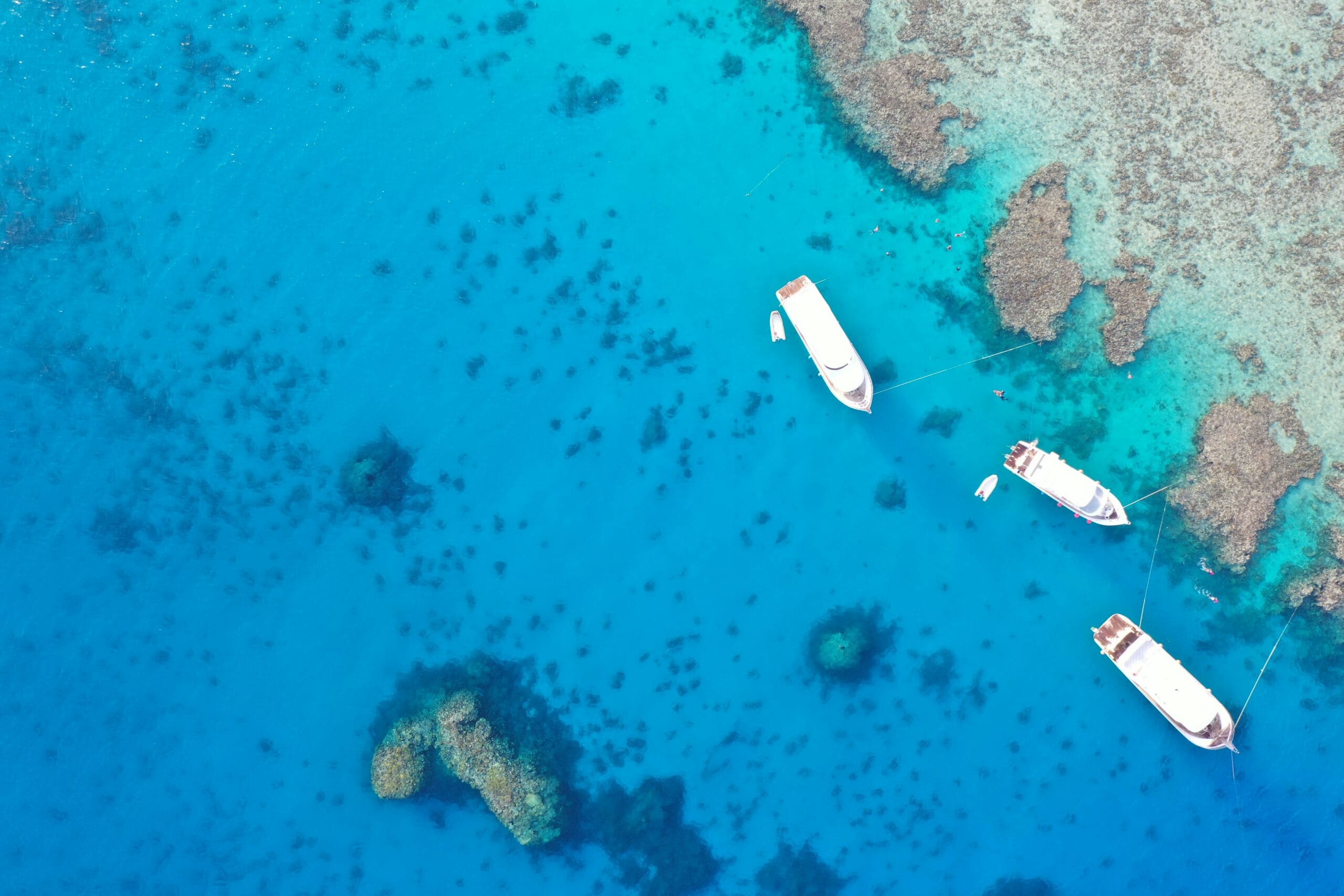
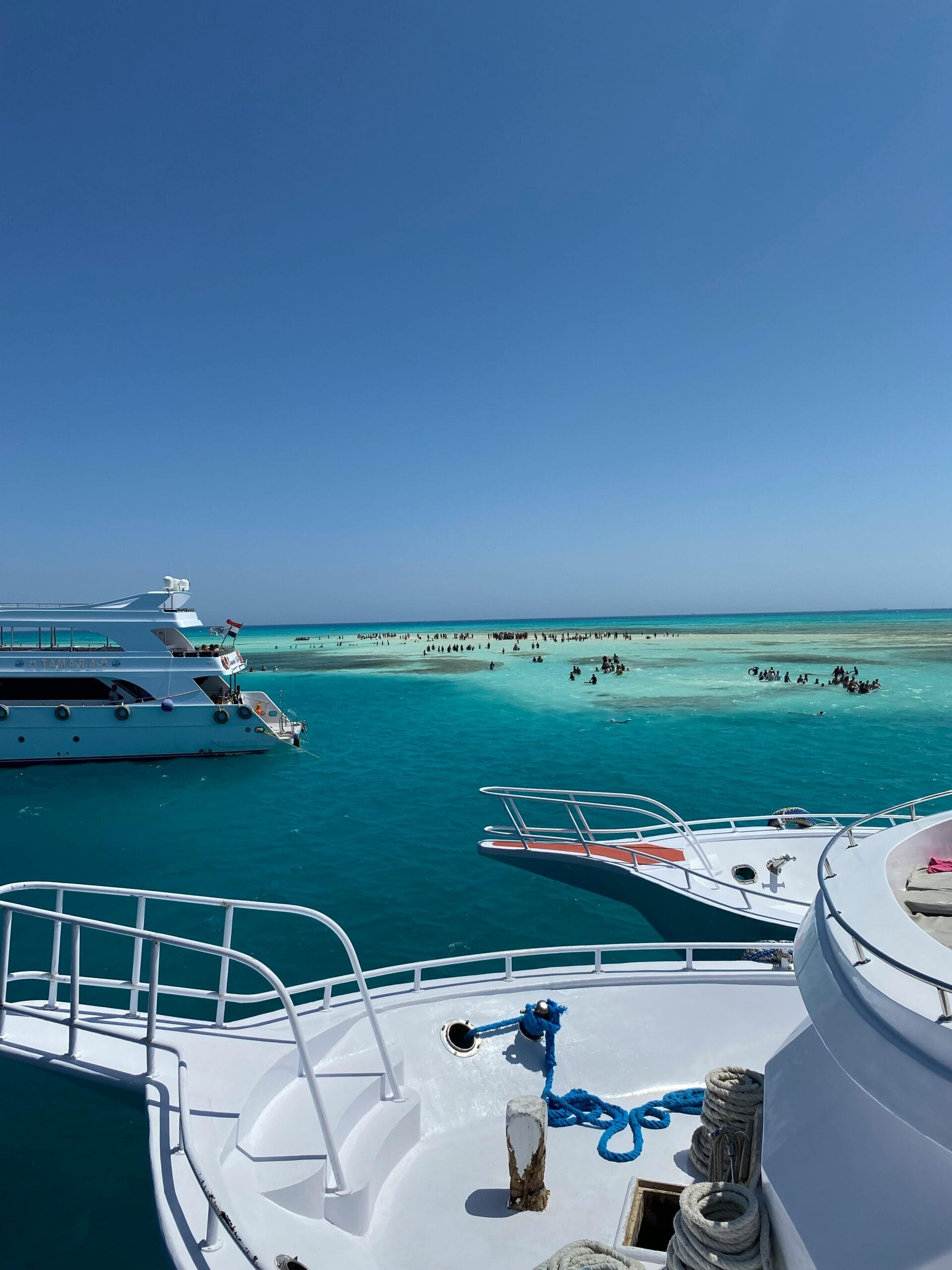
The Giftun Islands are a protected national park and the jewel of Hurghada's marine environment. Boat trips run daily from Hurghada Marina to the islands, where snorkellers find pristine coral gardens, dense schools of fish, and regular sightings of sea turtles. No certification is needed and the shallow reefs are suitable for complete beginners. Most trips include lunch onboard and two or three stops at different reef locations.
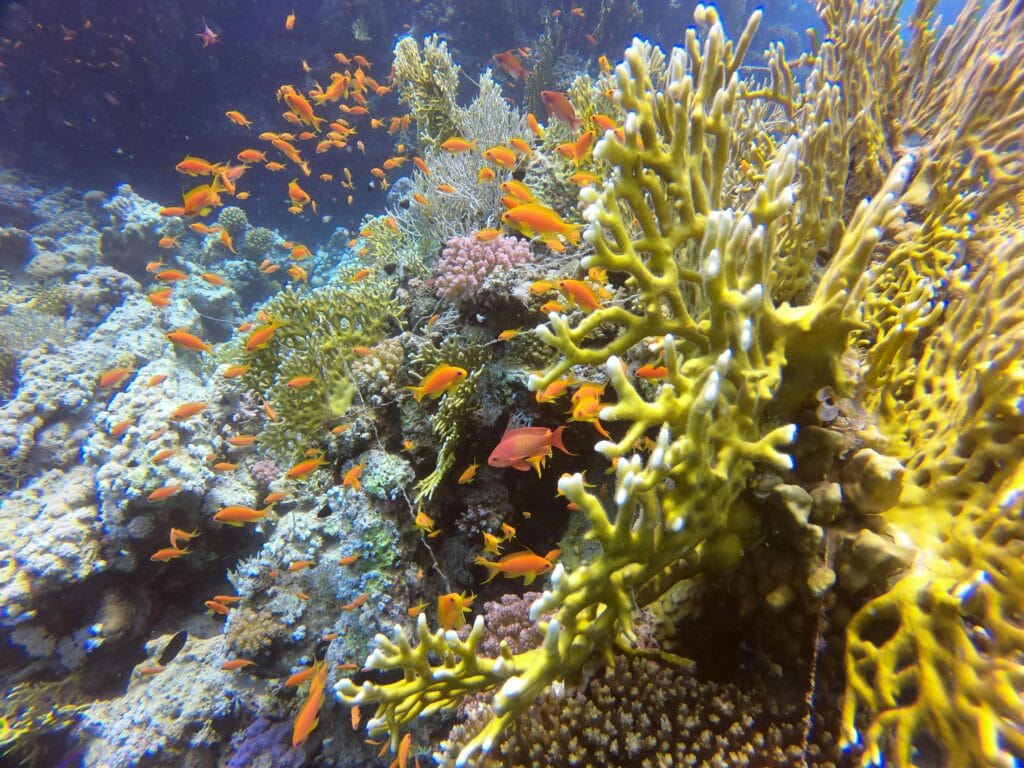
Hurghada is a world-class diving destination and a natural base for exploring one of the richest marine environments on the planet. Local dive centres offer discover dives for beginners, full PADI certification courses, and guided reef dives for experienced divers. Day boat trips cover the Giftun Island reefs, the Abu Nuhas wreck field, and sites further south. Liveaboard boats operating from Hurghada reach the SS Thistlegorm, Elphinstone Reef, and the Brothers Islands on multi-day expeditions.
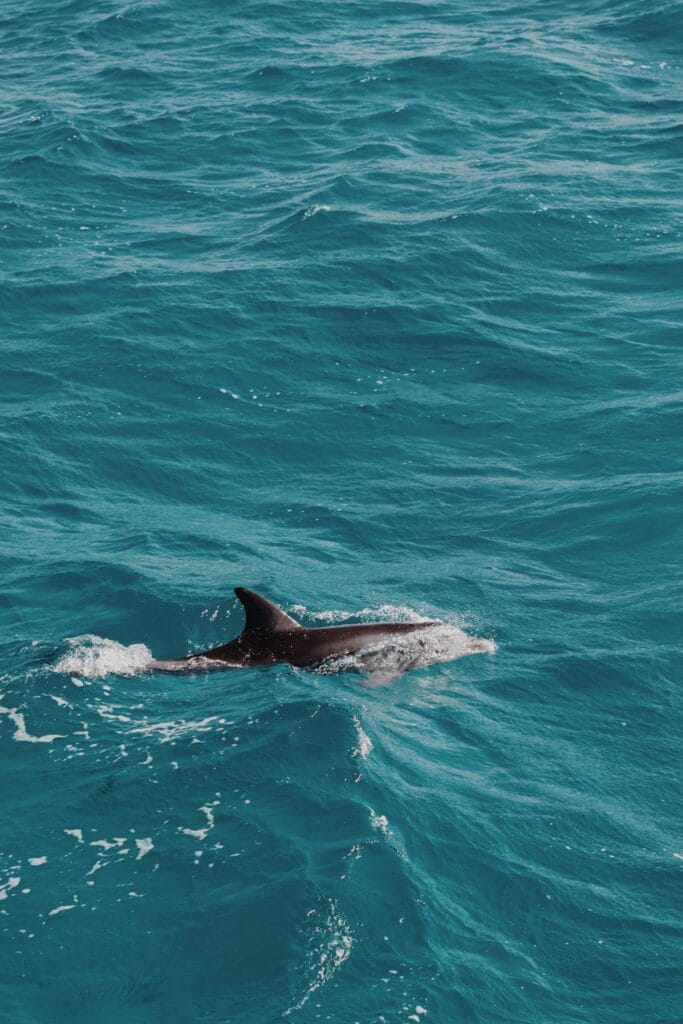
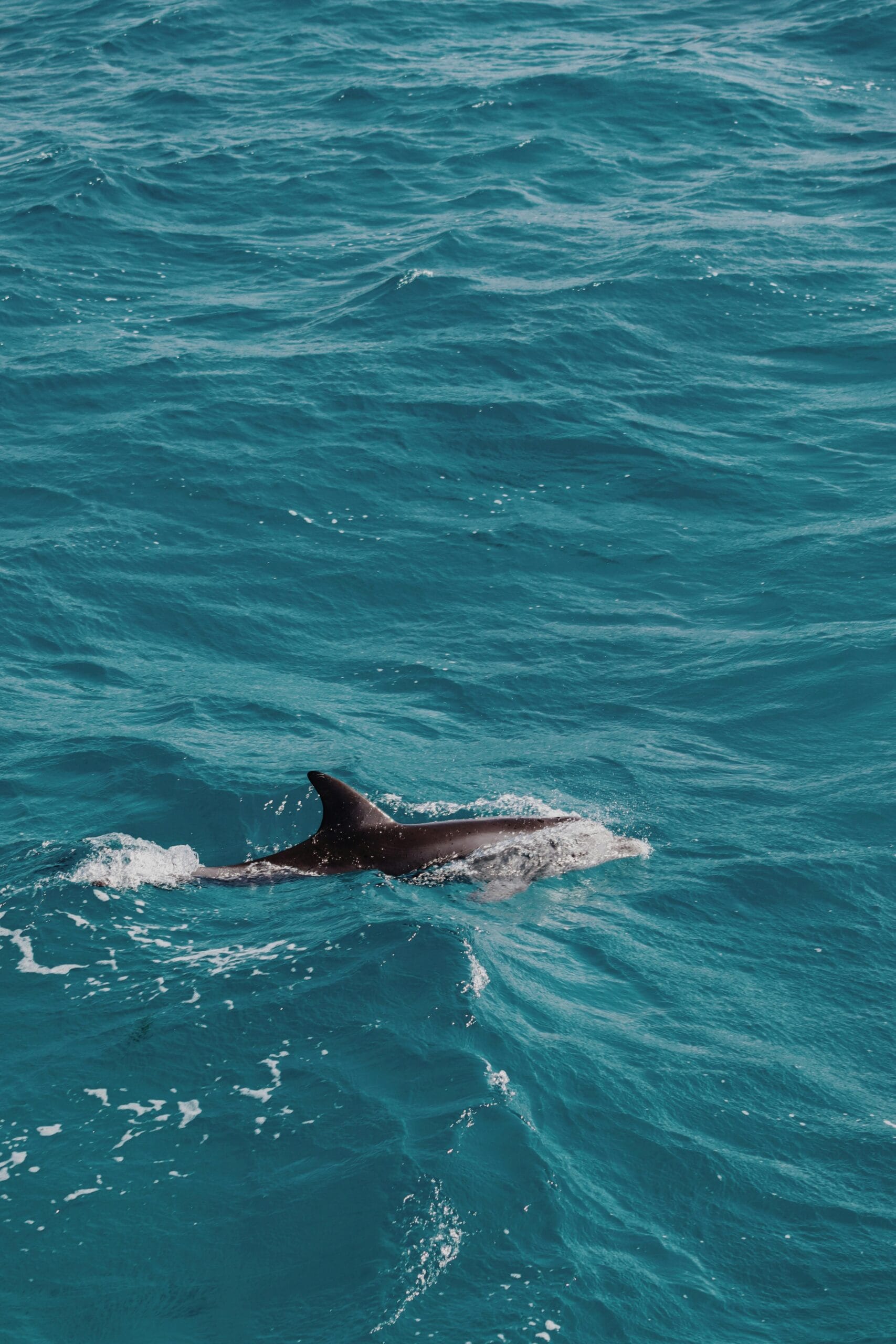
Sataya Reef, also known as Dolphin House, lies in the southern Red Sea and is home to a resident pod of spinner dolphins. Day trips from Hurghada cover the distance by fast boat, arriving in the morning when the dolphins are most active. Guests snorkel in open water alongside the pod in a completely unscripted, natural encounter. It is one of the most memorable experiences available on the Egyptian Red Sea coast.
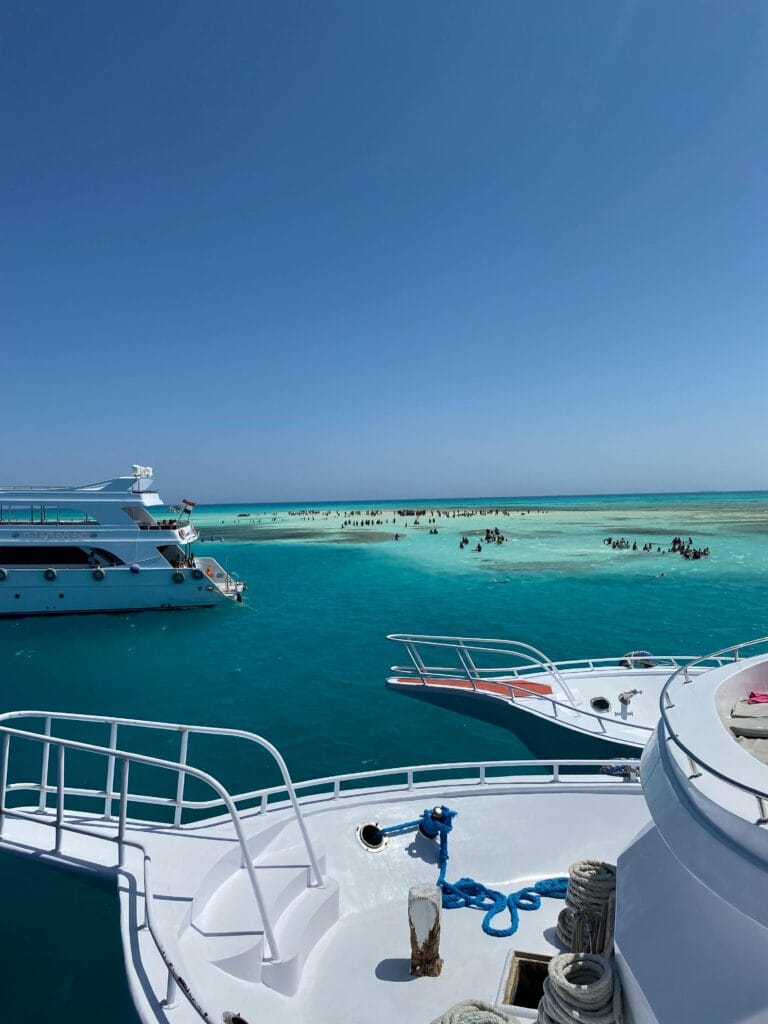
Traditional dhow boats and modern catamarans depart Hurghada Marina throughout the day for sunset and evening cruises. Most trips include snorkelling stops at shallow reef locations, a light meal or barbecue onboard, and the chance to watch the sky change colour over the Eastern Desert hills. A relaxed option well suited to families and those who prefer to stay on the surface.
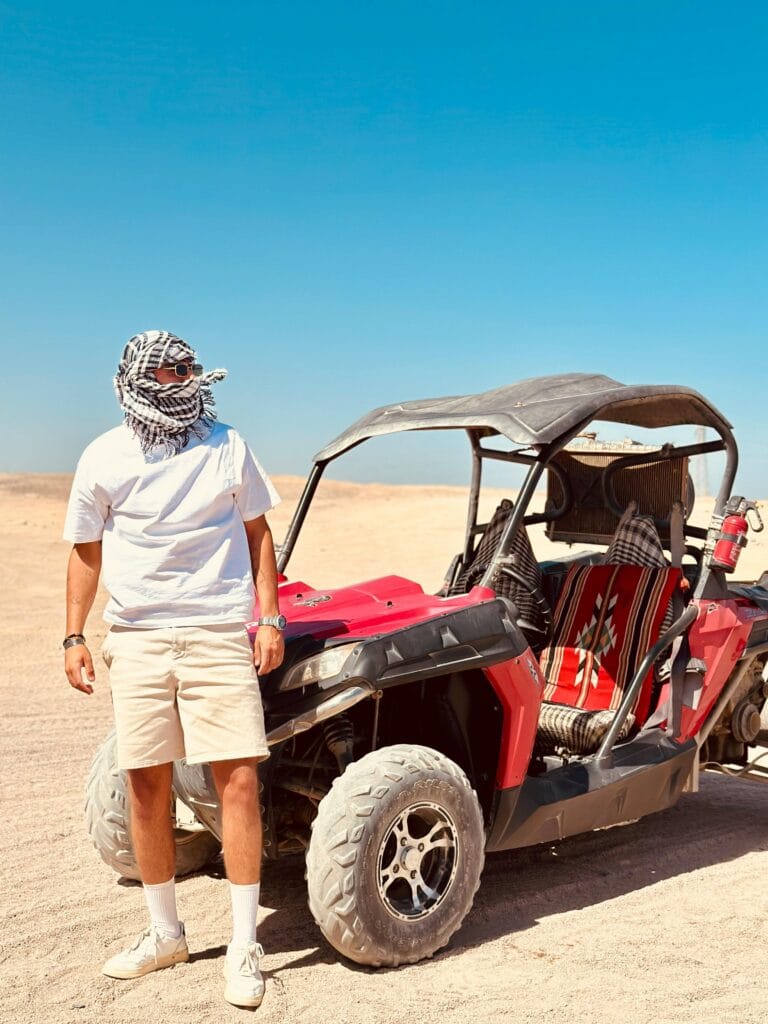
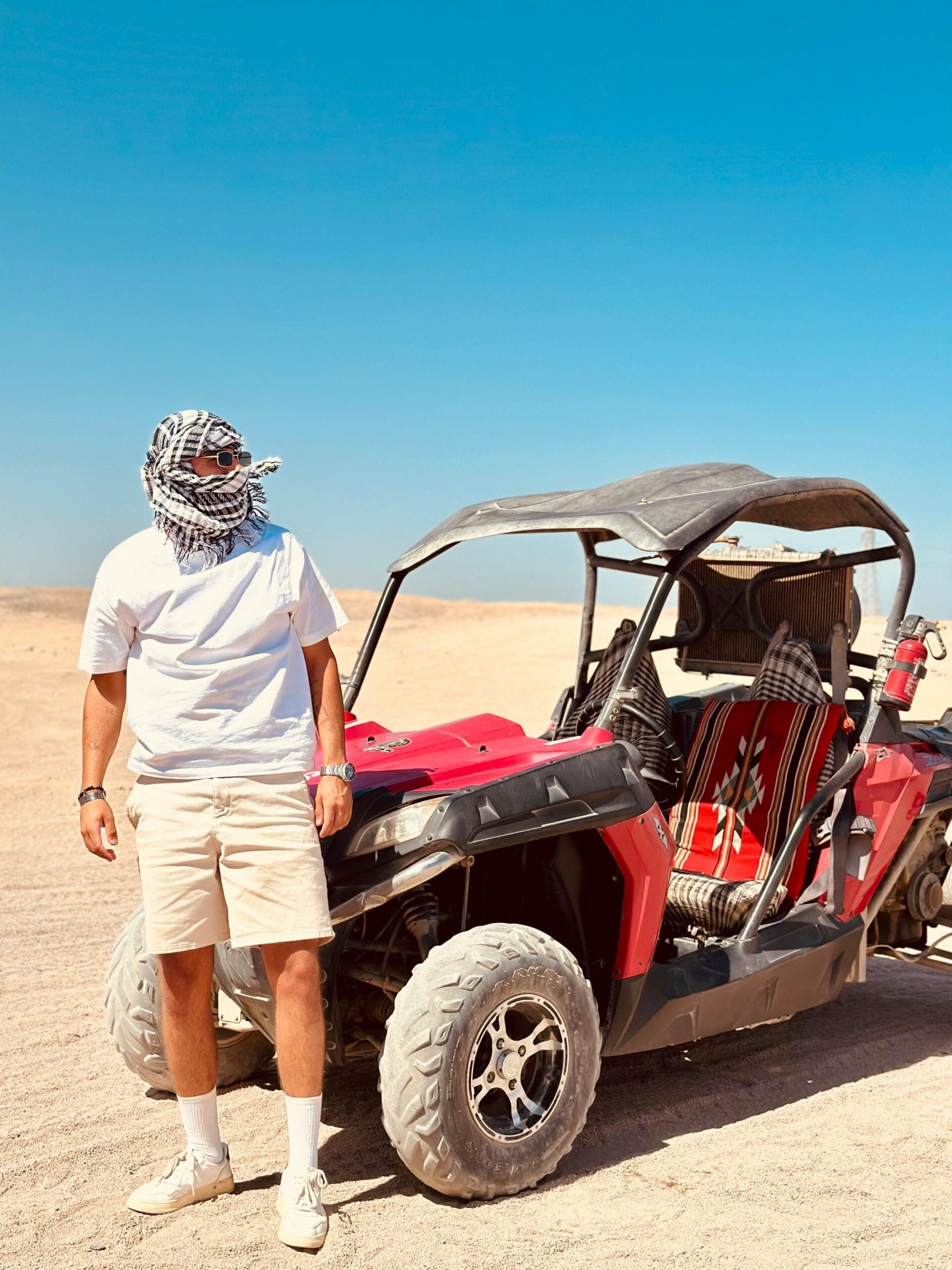
The Eastern Desert rises immediately behind Hurghada's resort strip, and quad bike or 4x4 safari trips into it make for a striking contrast to the turquoise coast. Tours typically head inland to Bedouin camp settings where guests can ride camels, try traditional bread baking, watch a sunset over open desert, and enjoy a stargazing dinner around a fire. The landscape of granite mountains, dry wadis, and open sand is genuinely dramatic and very different from the dune deserts of the Western Sahara.
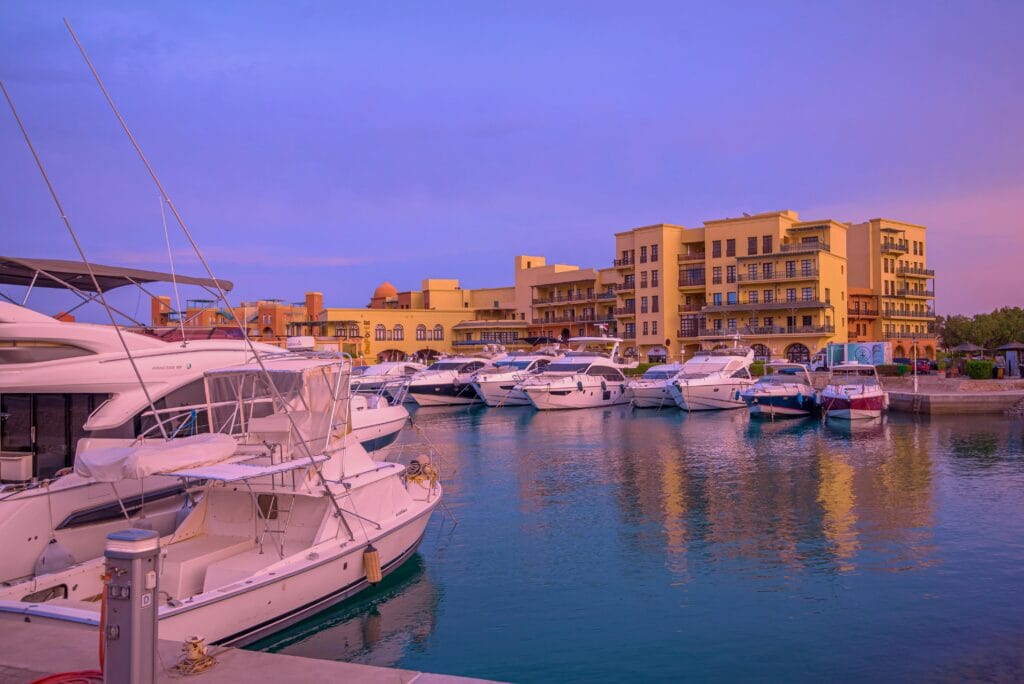
El Gouna is a private resort town built across a series of canals and lagoons 25 kilometres north of Hurghada. It has its own airport, a championship golf course, a vibrant restaurant and bar scene, and some of the best kitesurfing conditions on the Red Sea coast. Hiring a bicycle and exploring the canal system, stopping for lunch at one of the floating restaurants, is a pleasant full day away from the main resort strip.
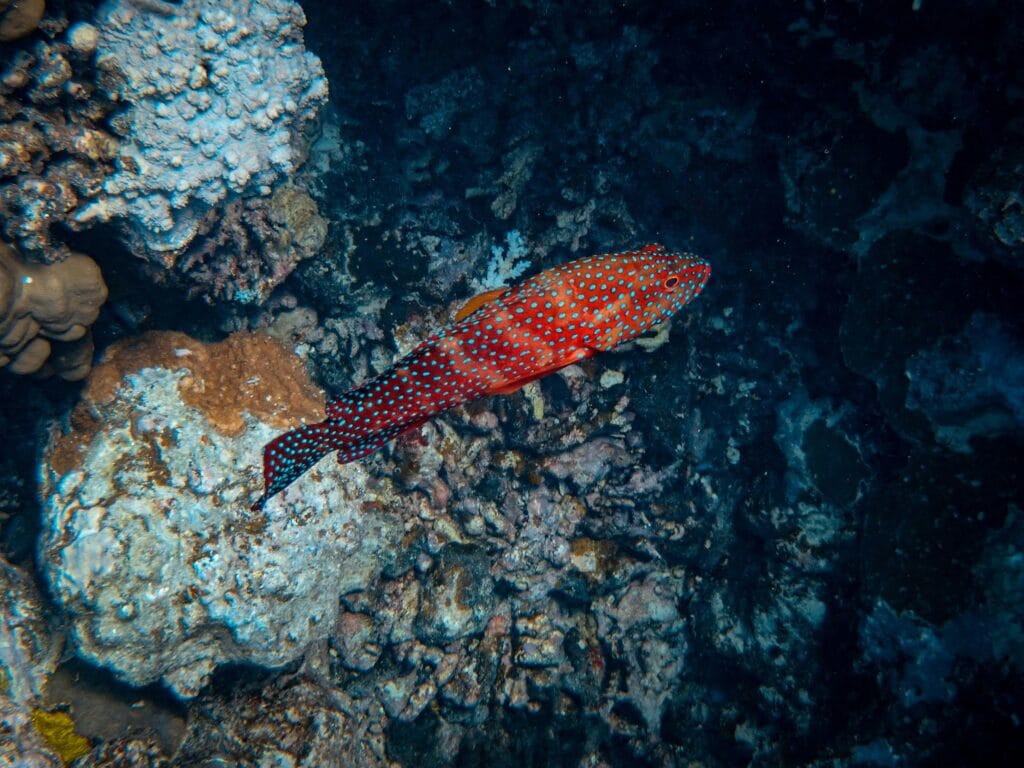
For those who prefer to stay dry, glass-bottom boat tours offer a window into the reef world without entering the water. The boats cruise slowly over shallow coral gardens while guides point out fish, corals, and other marine life visible through the transparent hull sections. A good option for young children, non-swimmers, or anyone wanting a gentle introduction to what lies beneath Hurghada's surface.
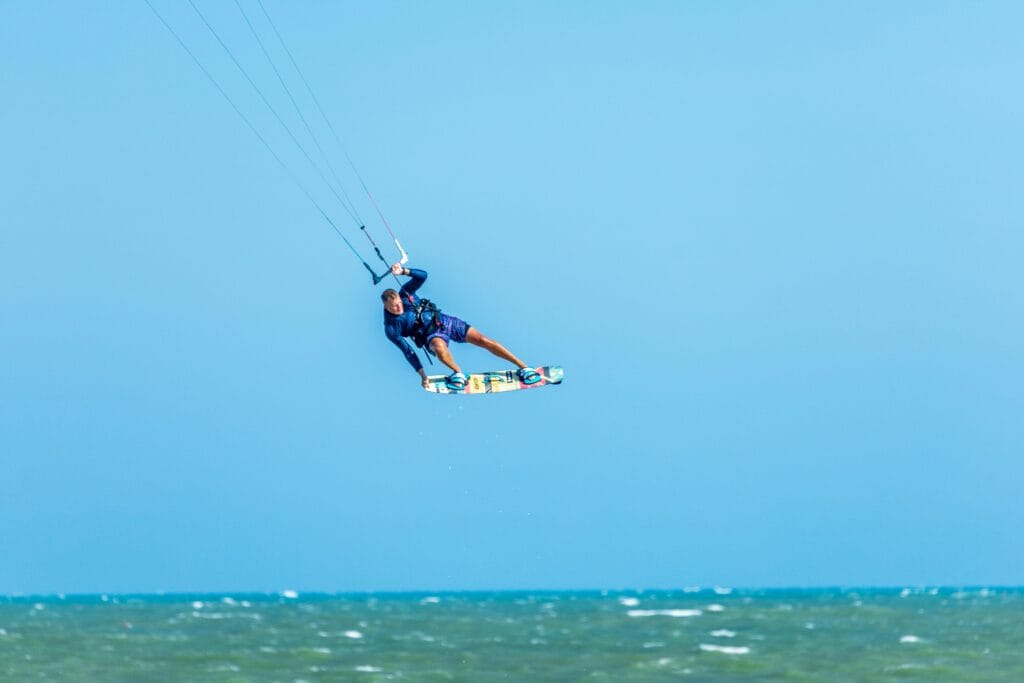
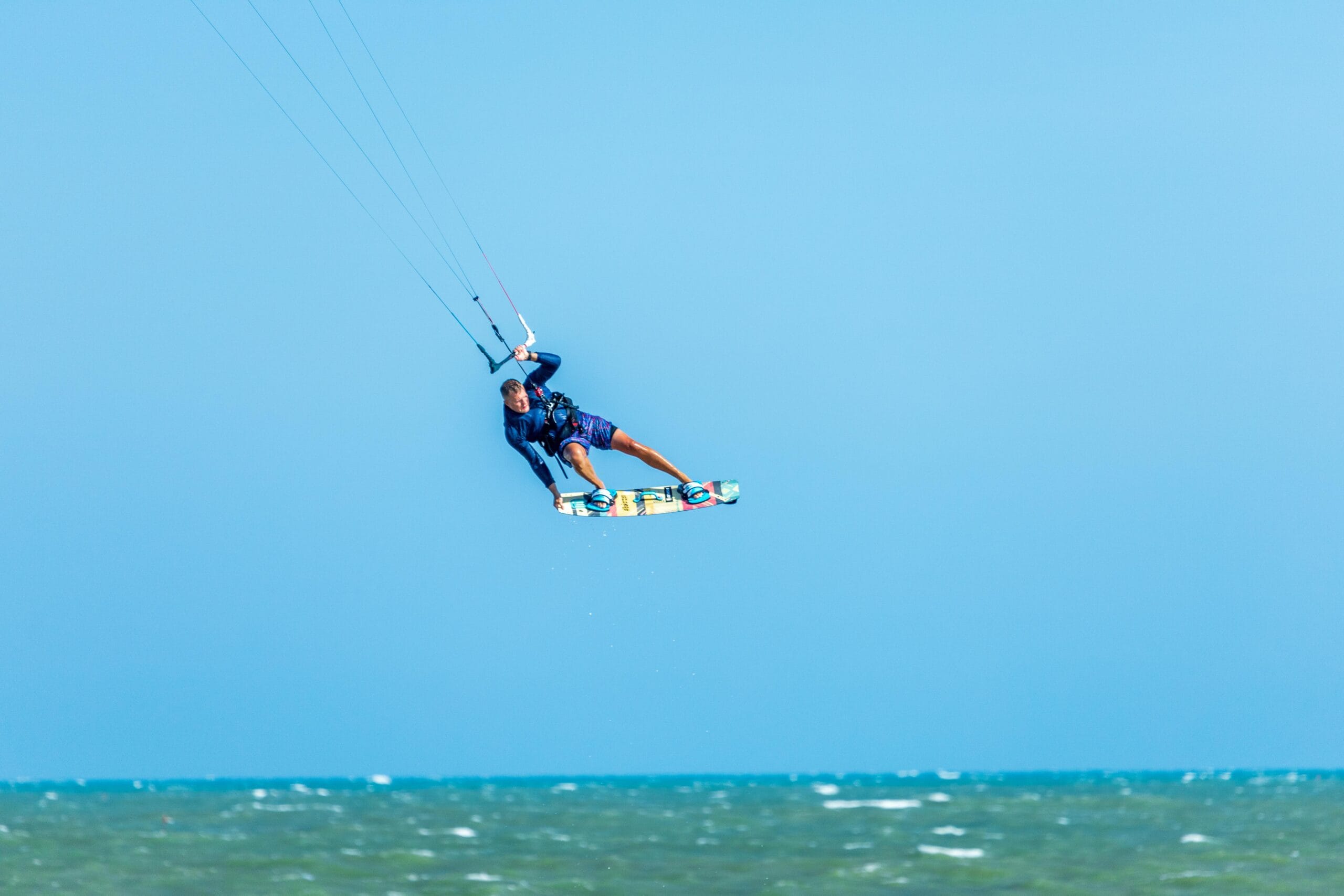
Hurghada's consistent wind conditions and flat lagoon areas make it a recognised kitesurfing destination. El Gouna, just north of the main resort strip, regularly hosts international competitions and has several professional schools offering lessons at all levels. Along the main beach strip, jet skiing, parasailing, wakeboarding, and windsurfing are all available from beach operators.
Hurghada is a genuinely year-round destination, which is one of its defining advantages. The Red Sea water temperature never drops low enough to discourage swimming or snorkelling, and sunshine is essentially guaranteed on any given day regardless of the month. That said, the most popular and generally most pleasant period is October through May, when air temperatures are comfortable for both water activities and any land-based excursions into the desert.
October to May
★★★ Ideal
The best all-round period for Hurghada. Air temperatures sit between 20 and 30 degrees depending on the month, the sea is warm and clear, and diving visibility is at its best, regularly exceeding 25 metres around Giftun Island. October and November are a sweet spot: the water is still warm from summer, crowds are thinner than the Christmas and New Year peak, and prices are more competitive. December through February is the busiest period with the highest concentration of European visitors, so book accommodation and boat trips in advance. March, April, and May offer excellent conditions with gradually warming temperatures and a good mix of availability and value.
June to September
★★ Good
Hot by any measure, with midday air temperatures regularly reaching 38 to 40 degrees, but the Red Sea coast breeze makes this considerably more bearable than Cairo or Upper Egypt in summer. Water temperatures rise to 28 to 30 degrees, which is outstanding for swimming, snorkelling, and diving. This is high domestic season, with Egyptian and Arab families arriving on summer holidays through July and August, so resorts are busy and lively. Mornings and evenings are the time for activity; the hours between noon and 4 PM are best spent in the water or in air-conditioned spaces. Sunset desert safaris work especially well in this season.
The resort strip runs for roughly 15 kilometres along a road that locals call Sheraton Road. Understanding where your hotel sits in relation to the marina and the beach clubs before you arrive saves time. Taxis and tuk-tuks are cheap and plentiful for getting between points on the strip.
The best snorkelling and diving is almost always reached by boat rather than from the beach. Most hotel beaches have house reefs worth exploring, but the protected reefs around Giftun Island are in a different category. A day boat trip there is worth prioritising on your first or second day.
Sunscreen is essential and ideally should be reef-safe. The Egyptian government has introduced regulations discouraging chemical sunscreens in protected marine areas around Giftun Island. Mineral-based sunscreens (those using zinc oxide or titanium dioxide) are the responsible choice.
Water shoes are useful for entering the water over rocky reef sections, which are common at many of Hurghada’s boat trip stops.
Haggling is standard at the souk in Dahar, Hurghada’s old town quarter. Prices at souvenir shops and at the market start considerably higher than fair value, and a polite counter-offer is expected and welcomed.
Hurghada airport receives direct charter and scheduled flights from across Europe, making it a possible entry point for visitors who want to begin their Egypt holiday with a few days of beach relaxation before flying to Cairo or Luxor for the cultural portion of the trip.
Ramadan timing affects some restaurant and service hours in the old town and local areas. Resort hotels continue to operate normally throughout.
The fastest and most convenient option is a one-hour domestic flight from Cairo International Airport. Flights operate multiple times daily with EgyptAir and several budget carriers. Hurghada can also be reached by private car from Cairo in approximately four to five hours via the desert highway, or from Luxor in around three and a half hours along the Red Sea coast road. All Empire Travel itineraries include domestic flights and transfers as part of the package, so you never need to arrange transport independently.
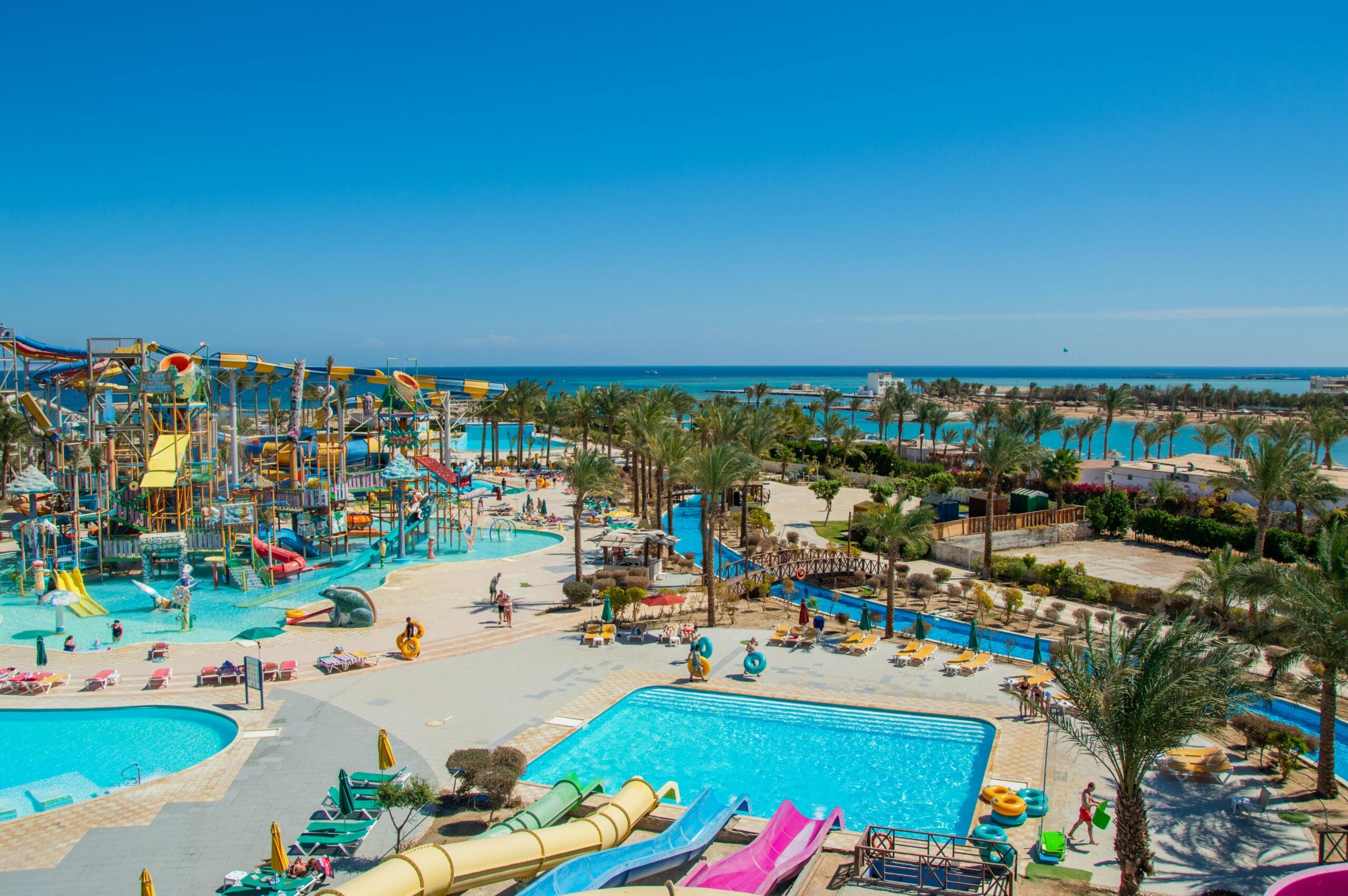
Yes, Hurghada is one of Egypt’s most family-friendly destinations. Most resort hotels have dedicated children’s pools, kids’ clubs, and shallow beach areas. Snorkelling day trips to Giftun Island work well with children as young as six or seven, and glass-bottom boat tours are available for those who prefer not to get in the water. The protected lagoon areas around some hotels provide calm, safe conditions for young swimmers. Empire Travel’s family packages include child-friendly guides and age-appropriate pacing throughout.
No certification is needed for snorkelling, which gives excellent access to Hurghada’s shallow reefs. For scuba diving, discover dives led by a certified instructor do not require prior certification and are available through most dive centres. For independent diving without an instructor present, an Open Water certification or equivalent is required. Full PADI Open Water certification courses are available in Hurghada and typically take three to four days to complete.
Absolutely. This is one of Empire Travel’s most popular formats. A typical combined itinerary might run three nights in Cairo with the Pyramids and Grand Egyptian Museum, followed by a four-night Nile cruise between Aswan and Luxor, and then three nights at a Hurghada resort as a relaxing finale. Domestic flights connect all three segments efficiently, and the contrast between ancient monuments and Red Sea beaches makes for a very complete Egypt experience. We can build any combination around your available dates and interests.
Visibility in Hurghada’s coastal waters is excellent by global standards, typically ranging from 15 to 30 metres depending on the site, the season, and conditions on the day. Giftun Island and the offshore reef sites consistently offer the clearest visibility. Visibility tends to be at its best from October through April when plankton levels are lower. Even in summer months when conditions are less pristine, visibility is usually sufficient for comfortable snorkelling and diving.
Quite a lot. The desert immediately behind the resort strip offers quad biking, camel riding, and Bedouin camp experiences with sunset dinners and stargazing. El Gouna, 25 kilometres north, is worth a day trip for its canal town atmosphere, golf, kitesurfing, and restaurant scene. The old town quarter of Dahar has a souk, local cafes, and a more authentic Egyptian feel than the hotel strip. For those interested in combining Hurghada with cultural sightseeing, Luxor is reachable in around three and a half hours by car along the coastal road.
The main resort strip between Hurghada Marina and Sahl Hasheesh to the south is where most international visitors stay. The Marina area has the best concentration of restaurants, shops, and boat trip departure points and is a good base for first-time visitors. Sahl Hasheesh, 18 kilometres south of the marina, is a purpose-built resort enclave with high-end hotels and a quieter atmosphere. El Gouna to the north suits those who want an upscale, self-contained resort environment with a strong watersports focus. Empire Travel can recommend specific hotels based on your budget, travel style, and which activities matter most to you.
Yes. Hurghada is one of Egypt’s most heavily visited tourist destinations and the resort areas are very safe for international visitors. Tourism police are present at beach areas, the marina, and major hotels. The usual sensible precautions apply: keep valuables secure, use sunscreen, stay hydrated, and drink bottled water. The marine environment carries its own practical considerations: follow your dive guide’s instructions, do not touch coral, and be aware that some marine creatures can sting or scratch. Empire Travel’s guides brief all clients on both general safety and water safety before activities begin.