Region
South Sinai Governorate
The Red Sea's most spectacular diving destination, set where the Sinai desert meets the sea.
Plan My Trip to Sharm El Sheikh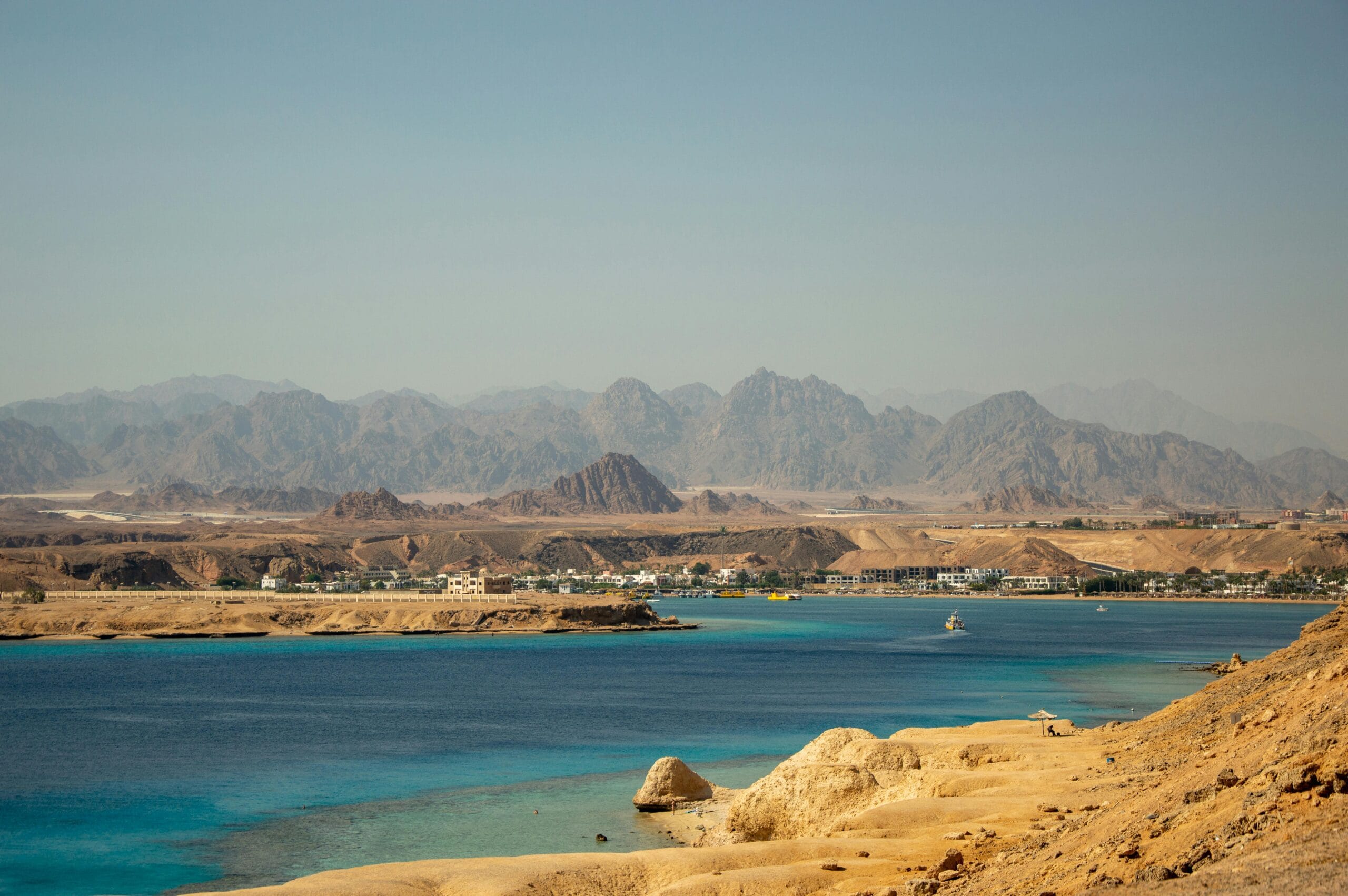
South Sinai Governorate
October – April
25°C / 77°F
1 hr flight from Cairo or 6–7 hr drive via the Sinai Peninsula
2–3 days
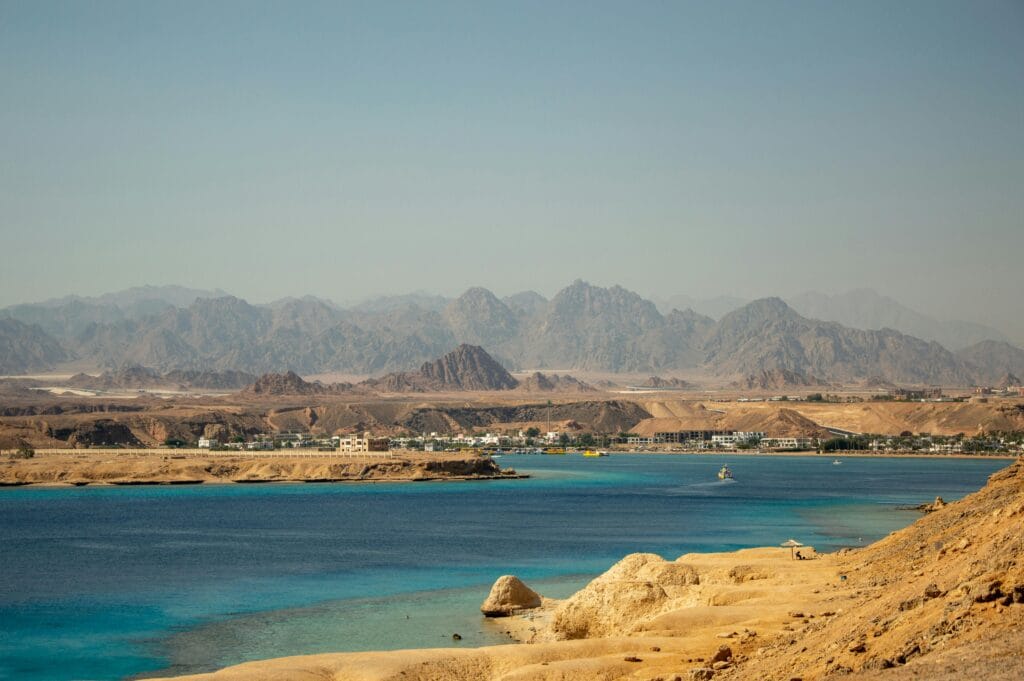
Sharm El Sheikh sits at the southern tip of the Sinai Peninsula where the Gulf of Aqaba and the Gulf of Suez converge, producing some of the most extraordinary underwater conditions on the planet. The combination of warm, gin-clear water, steep coral walls, and an astonishing diversity of marine life has made this one of the world’s premier diving destinations, drawing divers from Europe, the Americas, and beyond year after year. The famous Ras Mohamed National Park, a protected headland just 12 kilometres from town, is consistently rated among the top ten dive sites on earth.
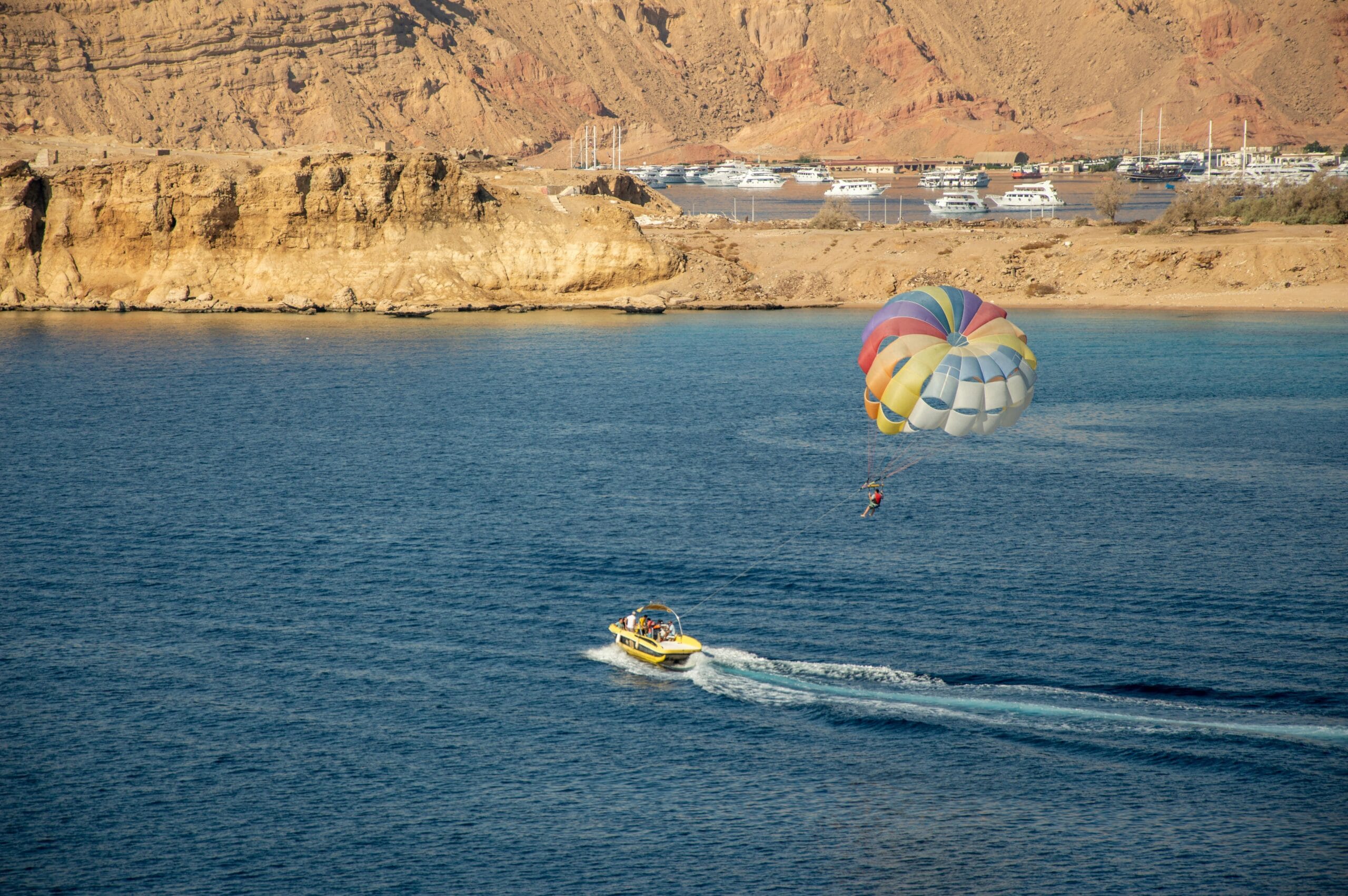
Above the waterline, Sharm El Sheikh offers an equally appealing package. The resort areas of Naama Bay and Sharks Bay are lined with hotels, restaurants, and cafes, and the evenings here have a distinctive Mediterranean warmth. The Sinai interior offers a different kind of adventure entirely, with Bedouin-guided desert safaris, quad biking across golden dunes, and the option to extend your trip to Mount Sinai or St Catherine’s Monastery.
Join a guided boat dive to the walls, plateaus, and drift dives of Ras Mohamed, where thousand-strong schools of fish, hawksbill turtles, and reef sharks share some of the Red Sea's most spectacular underwater terrain. Both beginner-friendly sites and advanced walls are accessible from the same boats.
Many of Sharm's hotels have direct house reefs accessible by simply wading from the beach. The coral gardens off Sharks Bay and around Naama Bay are ideal for snorkelers, with abundant marine life visible in clear, shallow water without needing to board a boat.
Book a day boat excursion to Tiran Island for drift snorkeling and diving along the four named reefs surrounding the island. The crossing itself offers views of the Saudi coast, and the boat usually includes lunch, snorkel gear, and time at multiple reef sites.
Head into the desert interior on a guided quad bike tour along Bedouin mountain trails. Most operators offer a combined package with a sunset arrival at a traditional Bedouin camp, camel tea, and a grilled dinner under the stars, giving a genuine sense of the Sinai beyond the resort strip.
The evening promenade along Naama Bay is one of Sharm's most pleasant rituals. As the heat softens, the seafront fills with visitors and locals alike, and the restaurants and beach bars open their terraces. It is a relaxed, safe, and genuinely enjoyable way to end a day on the water.
Spend a morning or evening in Sharm's original settlement exploring the spice stalls, silverware shops, and local restaurants of the Old Market. It is notably more affordable than the resort zone and gives a window into the older, less manicured side of life in South Sinai.
Hire a private car or join a shared transfer for the 90-minute drive up the coast to Dahab. Snorkel the outer rim of the Blue Hole, explore the Canyon dive site, and spend a few hours at one of Dahab's seafront restaurants for lunch. A satisfying excursion for both divers and non-divers.
Several operators run late-afternoon 4x4 excursions into the mountains behind the resort, timing the return to catch the sunset over the Gulf of Aqaba. The view of the water turning gold and pink from the high desert ridgeline is one of the most striking things you can experience in Sharm El Sheikh.
Sharm El Sheikh is one of the few destinations in Egypt that can genuinely be visited at any time of year. The underwater world is consistent across all seasons, and even in the height of summer the sea breeze keeps the resort areas more comfortable than the Nile Valley. That said, the optimal window for combining sightseeing, outdoor activities, and reef time runs from October through May, when air temperatures are pleasant, the water is warm, and the whole resort is in full swing.
October to November
★★★ Ideal
Warm air temperatures around 28 to 32 degrees Celsius, water temperature at 27 degrees, and excellent underwater visibility make this the finest time to visit Sharm El Sheikh. The resort is busy but not overcrowded, European visitors arrive for the autumn sun, and the combination of comfortable desert temperatures and warm sea means you can dive in the morning and take a sunset quad bike into the Sinai without either experience feeling compromised. Book hotels and liveaboards early for October, which sells out well ahead.
December to February
★★ Good
Sharm El Sheikh remains warm and sunny by any European standard, with daytime temperatures between 22 and 26 degrees Celsius. The water cools slightly to around 22 degrees, so a 3mm wetsuit is advisable for longer dives. December and January are the busiest and most expensive months as European holiday-makers fill the resorts over Christmas and New Year. The diving is excellent, the evenings are pleasantly mild, and the desert excursions are at their most comfortable. Book well in advance for the Christmas and New Year period.
March to May
★★ Good
Spring brings warming temperatures, thinning crowds, and some of the year's best underwater visibility as winter plankton blooms settle. March can bring occasional brief wind events that temporarily reduce visibility at surface level, but these pass quickly and conditions below 10 metres remain clear. By April the resort is noticeably quieter, hotel rates are more competitive, and the sea temperature climbs back toward 26 degrees. May marks the transition to summer and is one of the better months to combine a Sharm beach stay with a Cairo and Nile itinerary without the intense heat of Upper Egypt in summer.
June to September
★ Hot
Warm
Air temperatures regularly reach 38 to 40 degrees Celsius, making outdoor desert activities best reserved for early morning. The Gulf of Aqaba sea breeze keeps the coastal strip meaningfully cooler than Upper Egypt during the same period, and the sea itself reaches its warmest at 29 to 30 degrees with no wetsuit required. This is also the most reliable season for large pelagic encounters, with hammerhead sharks regularly sighted at Tiran Island and Ras Mohamed. Most visitors in summer are Egyptian families and Gulf tourists on short breaks, and the resort atmosphere is more local in character than in the European peak months.
Sharm El Sheikh International Airport receives direct flights from the UK, Germany, Russia, Poland, and several other European countries, as well as domestic connections from Cairo (approximately one hour). Egypt Air and several low-cost carriers operate the Cairo route regularly. The airport is located about 12 kilometres north of Naama Bay, and most hotels offer a direct transfer service.
Sharm El Sheikh has hundreds of dive centres, ranging from large hotel-based operations to small independent shops with excellent guides. For certified divers, proof of certification and a logbook are standard requirements at reputable operators. If you want to try diving for the first time, most centres offer one-day Discover Scuba experiences that require no prior training. PADI Open Water courses typically take three to four days.
Taxis and minibuses connect the main resort areas, and prices should always be agreed before you get in. The journey between Naama Bay and the Old Market takes around 10 minutes by taxi. For Ras Mohamed and desert excursions, your dive centre or hotel can arrange transfers as part of a package, which is usually the most straightforward option.
Inside hotel compounds and beach clubs, standard beach and swimwear is entirely normal. Outside the resort area, particularly in the Old Market and at the Al-Sahaba Mosque, modest dress is expected. Light trousers or a long skirt and a top covering the shoulders are appropriate. Keep a light layer in your bag when heading to town.
Even in winter, the Sinai sun is intense and the reflected glare off the water amplifies it. Bring high-factor reef-safe sunscreen, a good hat, and UV-protective swimwear if you plan extended snorkeling sessions. Stay well hydrated throughout the day. Bottled water is inexpensive and widely available.
Most nationalities, including UK, US, EU, and Australian passport holders, qualify for a free Sinai Only entry stamp on arrival at Sharm El Sheikh Airport. This allows a 15-day stay in South Sinai, including Sharm El Sheikh and Dahab, without a full Egyptian tourist visa. If you plan to visit Cairo or other parts of mainland Egypt on the same trip, you will need a standard tourist visa, which can be arranged via the Egyptian e-visa portal before travel.
Yes. Sharm El Sheikh has a great deal to offer travelers who do not dive. Snorkeling on the near-shore reefs, glass-bottom boat tours, Sinai desert safaris, quad biking, day trips to Dahab, camel trekking, and relaxed beach and pool time at the resorts all make for an enjoyable holiday without going underwater. Many non-divers use Sharm as the beach extension of a classic Egypt itinerary covering Cairo and the Nile.
The most convenient option is a domestic flight from Cairo International Airport to Sharm El Sheikh International Airport, which takes approximately one hour. Egypt Air and other carriers operate multiple daily flights. The overland drive via the Sinai peninsula takes around six hours but offers dramatic scenery through the desert and along the Gulf of Suez coast. Empire Travel can arrange either option as part of your wider Egypt itinerary.
Naama Bay is the most central and social area, with the best selection of restaurants, dive shops, and beach clubs within walking distance of most hotels. Sharks Bay is quieter and better suited to families or those wanting a more relaxed atmosphere. The areas further north toward Nabq Bay tend to be large all-inclusive resort compounds that are somewhat isolated from the rest of town.
Oceanic whitetip sharks and hammerhead sharks are most reliably encountered at sites like Ras Mohamed and Tiran Island from spring through to autumn, with June to September considered particularly good for large pelagic encounters. Resident reef sharks can be seen year-round at various sites. These encounters take place in open water during dive excursions and are not dangerous when conducted with a reputable operator.
Absolutely, and this is one of the most popular combinations we offer. A typical itinerary might involve five to seven days covering Cairo, Aswan, and a Nile cruise, followed by a two to four night beach extension in Sharm El Sheikh reached by a short domestic flight. This combination gives visitors an excellent balance of ancient history and complete relaxation, and it is especially popular with families and couples.
Sharm El Sheikh is very well suited to families. The sheltered bays offer calm, shallow water ideal for children learning to snorkel. Many resorts have dedicated children’s pools, kids clubs, and family room configurations. The Discover Scuba experience is available from age eight at most dive centres. The resort infrastructure is mature and well-organized, making logistics straightforward for families traveling with young children.
The Red Sea off Sharm El Sheikh maintains a comfortable temperature year-round. At its coolest, between January and March, the water sits at around 22 to 23 degrees Celsius, at which point a 3mm wetsuit is advisable for extended dives. From May through to November the temperature climbs steadily, reaching its peak of around 29 to 30 degrees Celsius in late summer. Snorkelers are comfortable without a wetsuit for most of the year.